Kerala HC Division Bench refuses to stay reconstitution of State Waqf Board
Source Entity
India Latest News: Top National Headlines Today & Breaking News | The Hindu
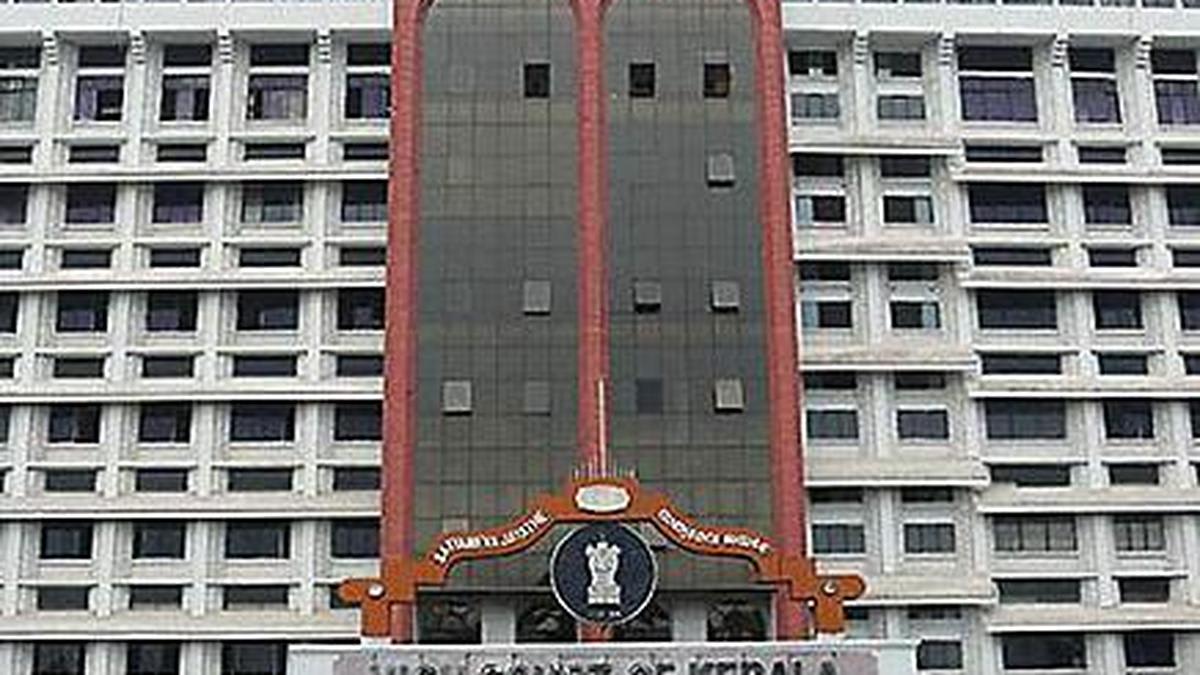
The Kerala High Court has declined to stay the reconstitution of the State Waqf Board, noting that the new board has already assumed office. The court has issued notices to the new members and scheduled further hearings for October 29.
Legal Standoff: Kerala High Court and the State Waqf Board
The Judicial Decision
A Division Bench of the Kerala High Court, comprising Justices Devan Ramachandran and Basant Balaji, recently declined to grant an interim stay on the reconstitution of the Kerala State Waqf Board. This decision follows a series of legal challenges initiated by former board chairperson K.S. Hamza and member C.K. Usman Haji, who sought to halt the transition process. By refusing the stay, the court has effectively allowed the newly constituted board to continue its operations while the legal process remains ongoing.
Contextualizing the Challenge
The petitioners, K.S. Hamza and C.K. Usman Haji, had previously approached a Single Bench of the Kerala High Court to challenge the government's decision to reconstitute the board. Upon the Single Bench's refusal to grant a stay, the appellants moved to the Division Bench. The core of the judiciary's reasoning for denying the stay was the practical reality that the new Waqf Board had already officially assumed charge, rendering an immediate reversal complex without further deliberation.
Procedural Implications and Next Steps
In its order, the Division Bench has mandated that the petitioners issue formal notices to the members of the newly formed board. This step is essential for ensuring procedural fairness and adherence to the principles of natural justice, as the court prepares to weigh the arguments of both the outgoing and incoming members. By setting the next hearing for October 29, the court has provided a window for all parties to present their formal responses.
Broader Significance of Waqf Governance
The governance of Waqf properties in India is a matter of significant legal and administrative complexity, governed by the Waqf Act. The reconstitution of such boards is often a point of contention, reflecting the delicate balance between government oversight and the autonomy of religious endowments. This legal battle in Kerala highlights the friction points that can occur during administrative transitions, particularly when leadership roles are contested.
Looking Ahead
The upcoming hearing on October 29 will be pivotal in determining whether the court finds merit in the arguments presented by the former board members. As the legal proceedings continue, the focus will likely remain on whether the reconstitution process adhered strictly to statutory requirements. The outcome of this case will set a relevant precedent for the administrative oversight of Waqf boards in the state and may influence future protocols regarding the transition of board leadership.
Verification Required?