Drawing flak over power curbs, Kerala State Electricity Board seeks nod for procuring 200 MW for one-year period
Source Entity
India Latest News: Top National Headlines Today & Breaking News | The Hindu
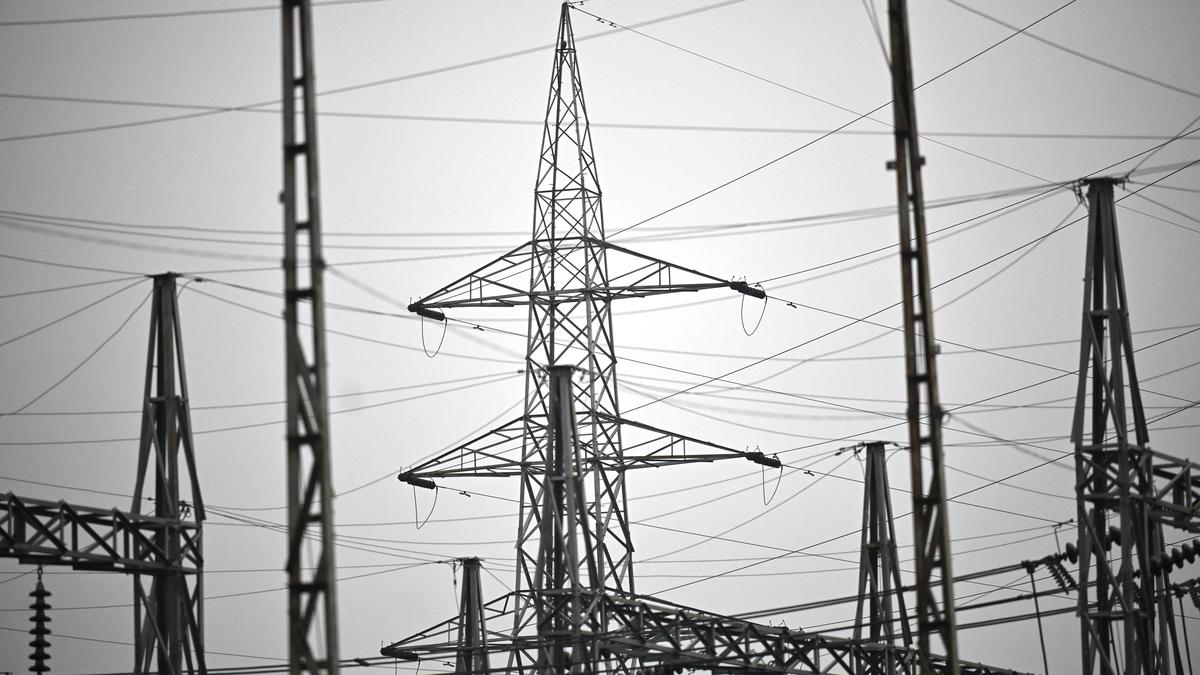
The Kerala State Electricity Board is seeking regulatory approval to purchase 200 MW of power to address ongoing energy deficits. This move follows sharp criticism from Opposition leader Pinarayi Vijayan, who blames the current government for poor planning and lack of transparency regarding unscheduled power cuts.
Kerala Faces Energy Crisis Amid Political Dispute
The state of Kerala is currently grappling with a significant power crisis, characterized by frequent, unscheduled electricity outages that have impacted residents across the state. In response to this mounting pressure, the Kerala State Electricity Board (KSEB) has formally approached the Kerala State Electricity Regulatory Commission to seek approval for the procurement of 200 MW of power. This emergency measure aims to bridge the current supply-demand gap, which officials estimate ranges between 300 and 600 MW daily.
Proposed Procurement Strategy
To mitigate the ongoing shortages, the KSEB has proposed a short-term power purchase agreement spanning one year, from July 15, 2026, to July 14, 2027. The plan involves sourcing 100 MW each from NTPC Vidyut Vyapar Nigam Ltd (NVVNL) and Power Pulse Trading Solutions Ltd. The proposed tariff for this procurement is set at ₹5.96 per unit. The regulatory commission is scheduled to review this petition in a hearing on July 18, 2026, as the state seeks to stabilize its grid and reduce the frequency of load shedding.
Political Friction and Allegations of Mismanagement
This administrative move has become the epicenter of a heated political debate. Leader of the Opposition Pinarayi Vijayan has publicly criticized the United Democratic Front (UDF) government, attributing the current instability to a fundamental lack of planning and foresight. According to Mr. Vijayan, the government’s failure to communicate power cut schedules to consumers has exacerbated public frustration. He noted that despite having permission to secure power at higher tariffs, the government only contracted 150 MW in July, which he argues is insufficient to meet the state's actual requirements.
Historical Context and Policy Divergence
Mr. Vijayan contrasted the current situation with the performance of the previous Left Democratic Front (LDF) administration, claiming that proactive measures taken over the past decade had previously successfully averted such crises. He highlighted that the current administration’s struggle to manage daily demand stands in stark contrast to earlier strategies focused on long-term self-sufficiency. The current discourse suggests that the UDF government is now under immense pressure to justify its energy management policies to a dissatisfied electorate.
Future Implications for Kerala’s Power Sector
The outcome of the upcoming regulatory hearing will be pivotal for the state's energy security. If approved, the 200 MW influx may provide temporary relief, but the deeper political and structural questions regarding Kerala’s reliance on external power markets remain unresolved. As the state moves toward July 2027, the effectiveness of these short-term fixes will likely remain a central point of contention in state politics, forcing a broader conversation about the necessity of investing in sustainable, long-term power generation projects to ensure grid resilience.
Multiple Citing Sources
Verification Required?