Keralam to write to PM on Railways’ ‘unilateral decision’ of detaching Mangaluru from Palakkad division: CM Satheesan
Source Entity
India Latest News: Top National Headlines Today & Breaking News | The Hindu
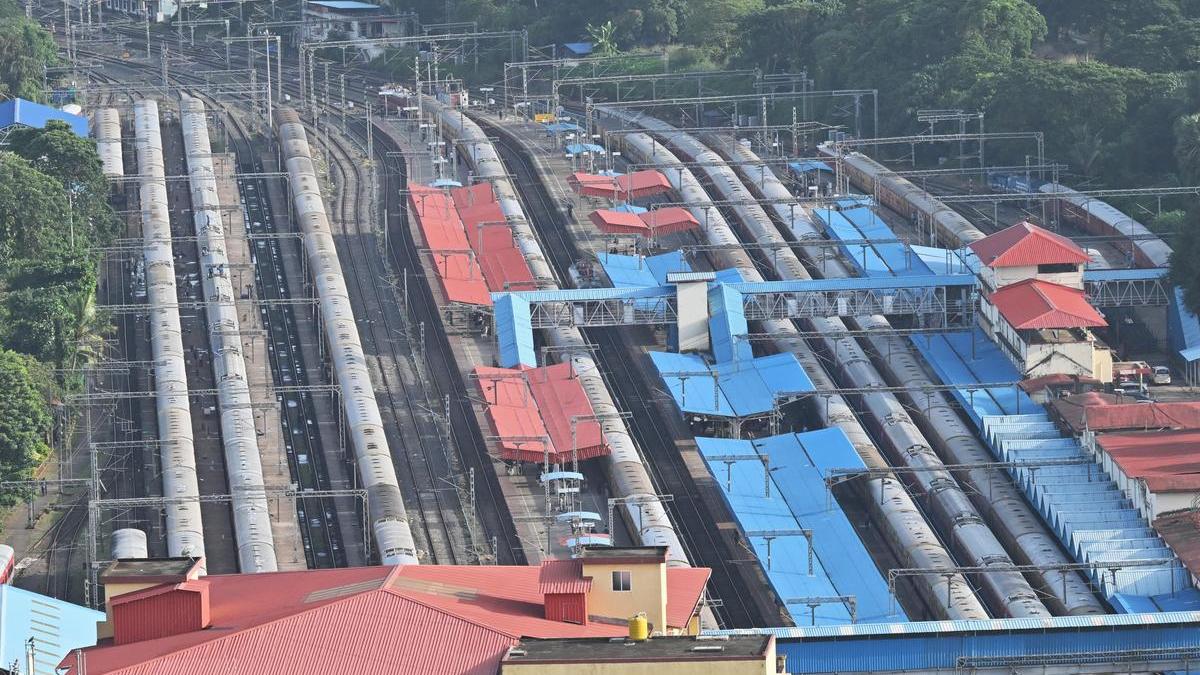
The Kerala government and political leaders are protesting the Railway Board's decision to shift the Mangaluru region from the Palakkad division to the South Western Railway. Officials warn this move will cause a 60% revenue loss for the Palakkad division, severely impacting regional development and railway infrastructure in Malabar.
Kerala Protests Railway Board’s Restructuring of Mangaluru Division
The government of Kerala has formally expressed its strong opposition to a recent directive from the Railway Board, which mandates the detachment of the Mangaluru region from the Palakkad division of the Southern Railway. This decision, effective October 1, entails merging the area with the Mysuru division under the South Western Railway. Chief Minister V.D. Satheesan has characterized this as a "unilateral decision" that fails to account for the operational integration of the region within the Kerala railway network.
Financial Implications and Revenue Loss
The primary concern driving this protest is the significant economic impact on the Palakkad division. Leader of the Opposition Pinarayi Vijayan has highlighted that the bifurcation is projected to cause a massive 60% reduction in the division’s revenue. A substantial portion of this financial blow stems from the loss of freight earnings. Specifically, the Panambur Goods Yard, which handled goods worth ₹625 crore in the previous fiscal year, will no longer contribute to the Palakkad division's accounts.
Impact on Regional Development
Beyond immediate revenue, stakeholders are deeply concerned about the long-term developmental trajectory of the Malabar region. M.K. Raghavan, MP, has emphasized that the loss of earnings from high-traffic hubs like Mangaluru Central and Mangaluru Junction will directly impair the division's ability to fund new infrastructure projects. There is a palpable fear that the reduced financial strength of the Palakkad division will halt the introduction of new train services and stall essential railway development initiatives meant to serve the commuting public in the area.
Political Backlash and Call for Intervention
The political response from Kerala has been swift and unified across party lines. By labeling the decision as a "grave injustice" and a symptom of "severe neglect" by the Union government, state leaders are seeking to escalate the matter to the highest levels of national leadership. Chief Minister Satheesan has explicitly stated his intention to take the grievance directly to Prime Minister Narendra Modi and Union Railway Minister Ashwini Vaishnaw to seek an immediate review of the order.
Broader Implications for Federal Cooperation
This dispute highlights the friction between centralized administrative decision-making in the Indian Railways and the regional developmental priorities of individual states. The transition of the Ullal-Mangaluru section is seen not just as an administrative realignment but as a strategic setback for the Southern Railway’s operational cohesion. As the state government mobilizes its MPs to exert pressure on the Union government, the outcome of this standoff will likely set a precedent for how railway jurisdictional changes are handled in the future, particularly regarding the balance between national administrative efficiency and the financial autonomy of regional railway divisions.
Conclusion
The situation remains fluid as the October 1 implementation deadline approaches. With the state government and opposition leaders aligned against the Railway Board’s order, the coming weeks will be critical in determining whether the Union government will provide a concession or proceed with the bifurcation. For now, the focus remains on the potential for reduced connectivity and the budgetary strain that the Palakkad division faces should the order stand.
Verification Required?