‘Bribe to suppress rape case’ allegation: Mann’s wife sends notice to ex-judge
Source Entity
KARAN MANRAL
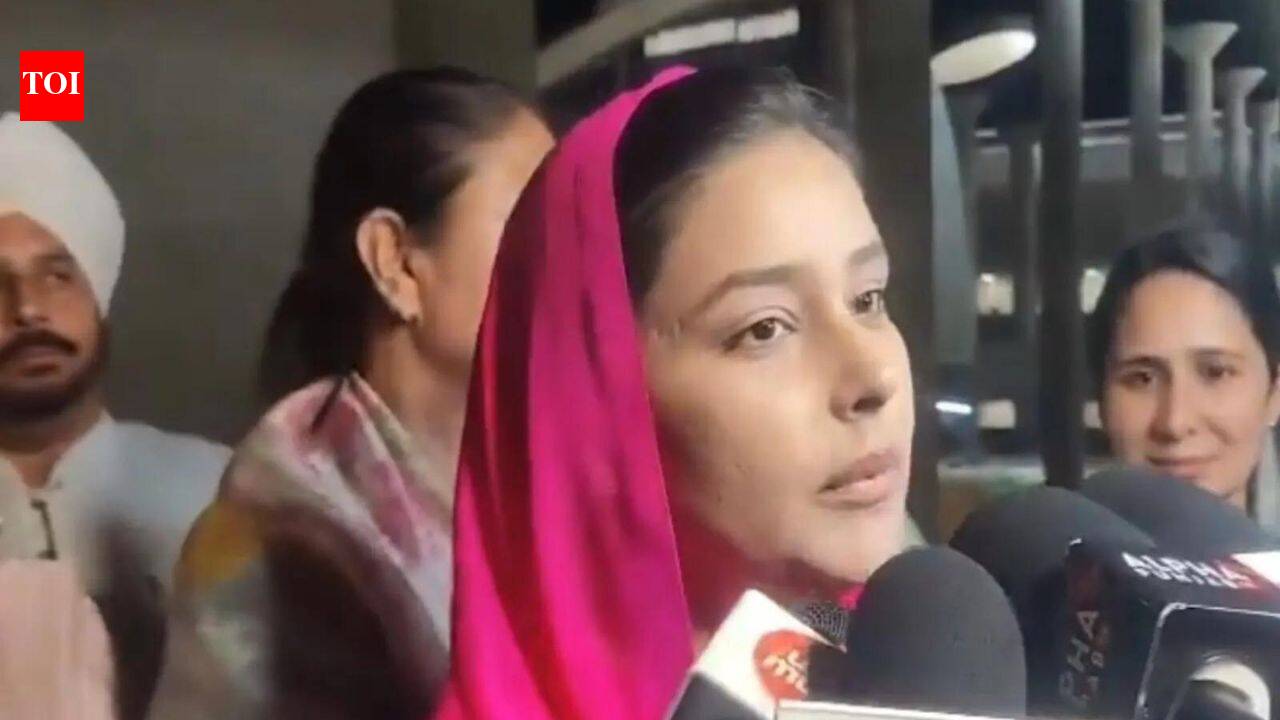
Punjab's political landscape faces turmoil as Gurpreet Kaur issues a legal notice regarding corruption allegations, while Congress chief Amrinder Singh Raja Warring initiates defamation proceedings against party colleague Mohammad Mustafa. These legal actions highlight growing internal and external tensions within the state's political discourse.
Political Tensions Escalate in Punjab Through Legal Action
Recent developments in Punjab's political sphere have underscored a heightened reliance on legal mechanisms to address public allegations and intra-party conflicts. The legal notices issued by Gurpreet Kaur, wife of Punjab Chief Minister Bhagwant Mann, and Punjab Congress president Amrinder Singh Raja Warring, signify a trend where public figures are increasingly turning to the judiciary to protect their reputations against severe accusations.
The Allegation of Suppressing Legal Proceedings
Gurpreet Kaur’s decision to issue a legal notice to an ex-judge, following allegations regarding a 'bribe to suppress a rape case,' marks a significant escalation in public discourse. By demanding a response within a strict 24-hour window, the move highlights the urgency with which the administration is seeking to counter claims that could undermine the integrity of the state’s leadership. Such allegations, if left unaddressed, pose a substantial risk to the political capital of the ruling party, necessitating a swift and formal legal response.
Intra-Party Conflict within the Punjab Congress
Simultaneously, the Congress party is grappling with internal friction as state president Amrinder Singh Raja Warring has initiated defamation proceedings against retired IPS officer and fellow party member, Mohammad Mustafa. The legal notice, issued through advocate Nikhil Ghai, stems from remarks made by Mustafa during a broadcast interview with ‘Waqt De Bol’. This public fallout between a prominent leader and a high-profile party member illustrates the difficulty of maintaining party cohesion amidst personal disagreements.
The Nature of the Defamation Claims
According to the details provided, the defamation notice centers on claims that Mustafa attacked Warring’s personal intelligence, leadership competence, and judgment. By challenging these remarks in a legal forum, Warring is attempting to mitigate the damage caused by the interview’s circulation on social and digital media platforms. This incident reflects a broader trend where digital media presence has become a double-edged sword for politicians, providing a stage for public critique while simultaneously creating a record for potential defamation litigation.
Broader Implications for Political Discourse
The convergence of these two separate legal actions suggests that the political environment in Punjab is becoming increasingly litigious. When political leaders, their families, and party officials turn to the courts to resolve disputes or address allegations, it changes the nature of political debate from public engagement to formal legal contestation. This shift may have long-term effects on how political figures interact, as the fear of defamation suits could both deter unfounded rumors and potentially chill legitimate political criticism.
Future Trends and Conclusion
Looking ahead, it is likely that political actors in the region will continue to leverage the legal system to guard their public image. As digital media continues to amplify both authentic and potentially defamatory speech, the judiciary will likely remain a central stage for settling political scores. While these legal notices serve as a mechanism for accountability, they also reflect a fragile political climate where trust between parties and within internal structures remains under significant strain.