Lack of long-term plans to mitigate rain-inducted calamities worrying for Kerala
Source Entity
India Latest News: Top National Headlines Today & Breaking News | The Hindu
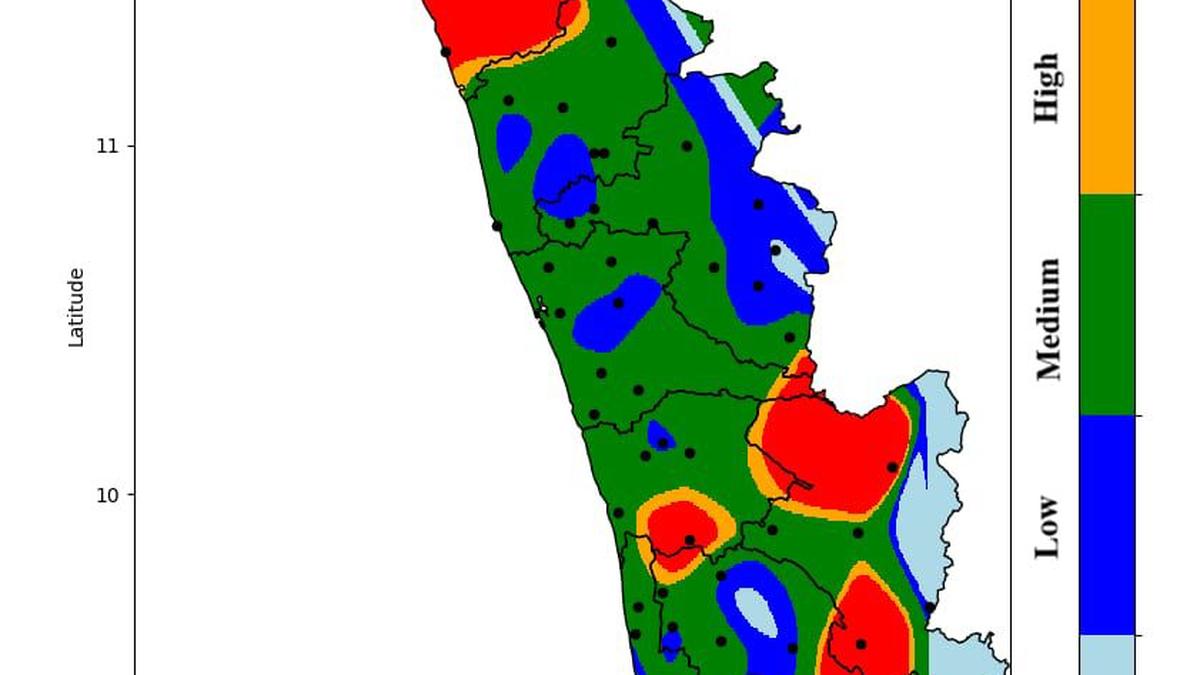
Kerala is facing a severe weather crisis with 15 deaths and 7 missing due to heavy monsoon rains. Authorities have established over 300 relief camps as the IMD issued orange alerts across 12 districts.
Kerala Crisis: Devastating Rains Claim 15 Lives
Kerala is currently grappling with a severe meteorological crisis as persistent monsoon rains have resulted in a tragic loss of life and widespread displacement. As of August 3, 2026, the state government reported 15 confirmed deaths, with seven individuals still reported as missing. Chief Minister V.D. Satheesan confirmed that rescue and relief operations have been significantly intensified to address the unfolding humanitarian situation.
The Scale of Displacement and Relief Efforts
The human cost of this disaster is reflected in the massive displacement of residents. Currently, 316 relief camps are operational across the state, providing sanctuary to 11,018 people who have been forced to flee their homes due to flooding and the threat of landslides. The state administration is actively coordinating with local officials to ensure that these camps are equipped with necessary supplies to support the displaced population during this critical period.
Meteorological Outlook and Regional Impact
The India Meteorological Department (IMD) has escalated the severity of its warnings, upgrading the rain alert from yellow to orange for 12 districts. While the initial intensity of the rainfall has seen a slight reduction, the persistence of moderate to heavy showers continues to pose a significant threat to infrastructure and public safety. The transition to an orange alert underscores the potential for further localized flooding and geological instability.
Specific Challenges in Kannur
Kannur district has emerged as a focal point of the ongoing crisis. Reports indicate that 521 people have been relocated to eight relief camps in the district alone. The region has been impacted by five landslips, affecting 32 villages and causing flooding in 13 others. Property damage in Kannur is significant, with 60 houses reported damaged—two of which were completely destroyed—highlighting the vulnerability of the region's housing infrastructure to extreme weather events.
Infrastructure and Water Management
Water management has become a critical operational priority as state authorities struggle to mitigate the effects of the deluge. The Pazhassi barrage is currently discharging high volumes of water, with an inflow of 1,288.605 cubic metres per second. Managing these water levels is essential to preventing further downstream flooding, as the state navigates the delicate balance between reservoir capacity and the need to prevent catastrophic embankment failures.
Future Outlook and Policy Implications
The recurring nature of these intense monsoon events in Kerala highlights the growing necessity for robust disaster management frameworks. As the state balances immediate relief operations with long-term recovery, the focus will likely remain on strengthening early warning systems and infrastructure resilience. The government's ability to maintain the efficiency of the 316 relief camps while managing the ongoing threat of further landslips will be the primary measure of the state's success in mitigating this disaster.
Multiple Citing Sources
Verification Required?