'Being hounded despite apology’: Noida teen in PM abuse FIR forced to change homes
Source Entity
ANJALI SINGH
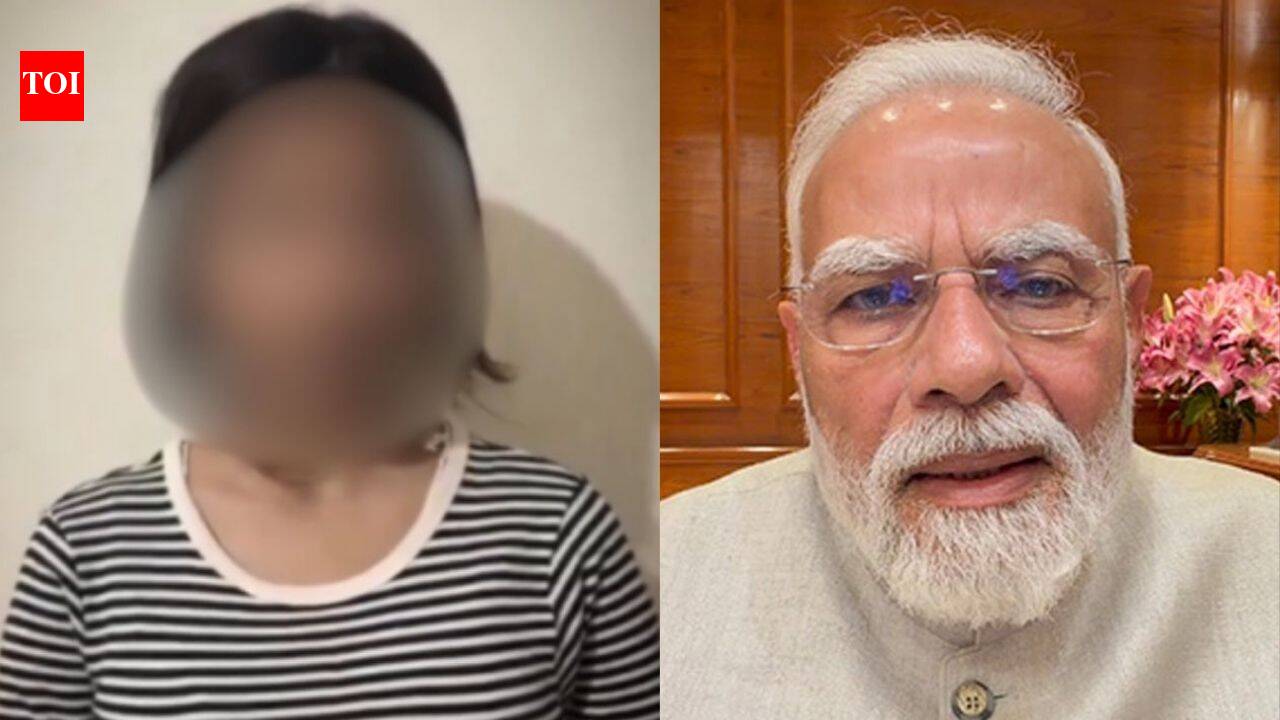
A 15-year-old Noida girl and her mother have been forced to relocate three times following an FIR over alleged profanities directed at the Prime Minister. Legal advocates are challenging the charges, citing her minor status and the intimidation caused by public and police scrutiny.
The Noida Teenager Case: Legal and Social Implications
The Incident and Escalation
In a concerning turn of events, a 15-year-old teenager from Noida and her mother have been forced to relocate their residence three times following the registration of a First Information Report (FIR). The legal action, initiated on July 29, stems from a video recorded during a protest at Jantar Mantar regarding national education reforms and paper leaks. In the footage, the minor was purportedly seen mouthing profanities directed at Prime Minister Narendra Modi, an act that triggered immediate backlash and subsequent legal proceedings.
Legal Challenges and Minor Status
The validity of the FIR is currently being contested by the family's legal counsel, advocate Anil Kumar. A central point of contention is the age of the accused; legal records indicate the girl was 14 at the time of the complaint and turned 15 on August 1. The FIR, which invokes charges under the Bharatiya Nyaya Sanhita (BNS) for defamation, intentional insult, and statements amounting to public mischief, notably fails to mention her age. This omission raises critical questions regarding the adherence to juvenile justice protocols and the appropriateness of filing criminal charges against a minor for political speech.
Safety and Social Harassment
Beyond the courtroom, the family's situation has deteriorated into a matter of personal safety. The mother and daughter have reported persistent threats circulating on social media, exacerbated by visits from strangers and police personnel to their home. This atmosphere of intimidation has necessitated a transient lifestyle, with the family moving three times to avoid further harassment. The case highlights the volatile intersection of digital-age activism and the real-world consequences for minors involved in high-profile political protests.
Broader Implications for Youth Activism
This incident serves as a stark case study on the risks associated with youth participation in public demonstrations. While the right to protest is a cornerstone of democratic expression, the use of inflammatory language—especially directed at high-ranking officials—frequently triggers severe legal repercussions. The public nature of social media ensures that even minor infractions can be amplified, leading to doxxing and real-world threats that transcend the original legal complaint.
Future Trends in Digital Accountability
As the legal battle continues, the case will likely become a touchstone for discussions regarding the protection of minors in political discourse. The failure to account for age in the initial FIR filing suggests a potential systemic oversight in how police handle complaints involving adolescents. Moving forward, authorities and legal experts will need to balance the necessity of maintaining civil order with the imperative of protecting minors from the disproportionate weight of the criminal justice system and the volatility of public outrage.