Kerala is having fewer children. This is bad news for teachers
Source Entity
Shaju Philip
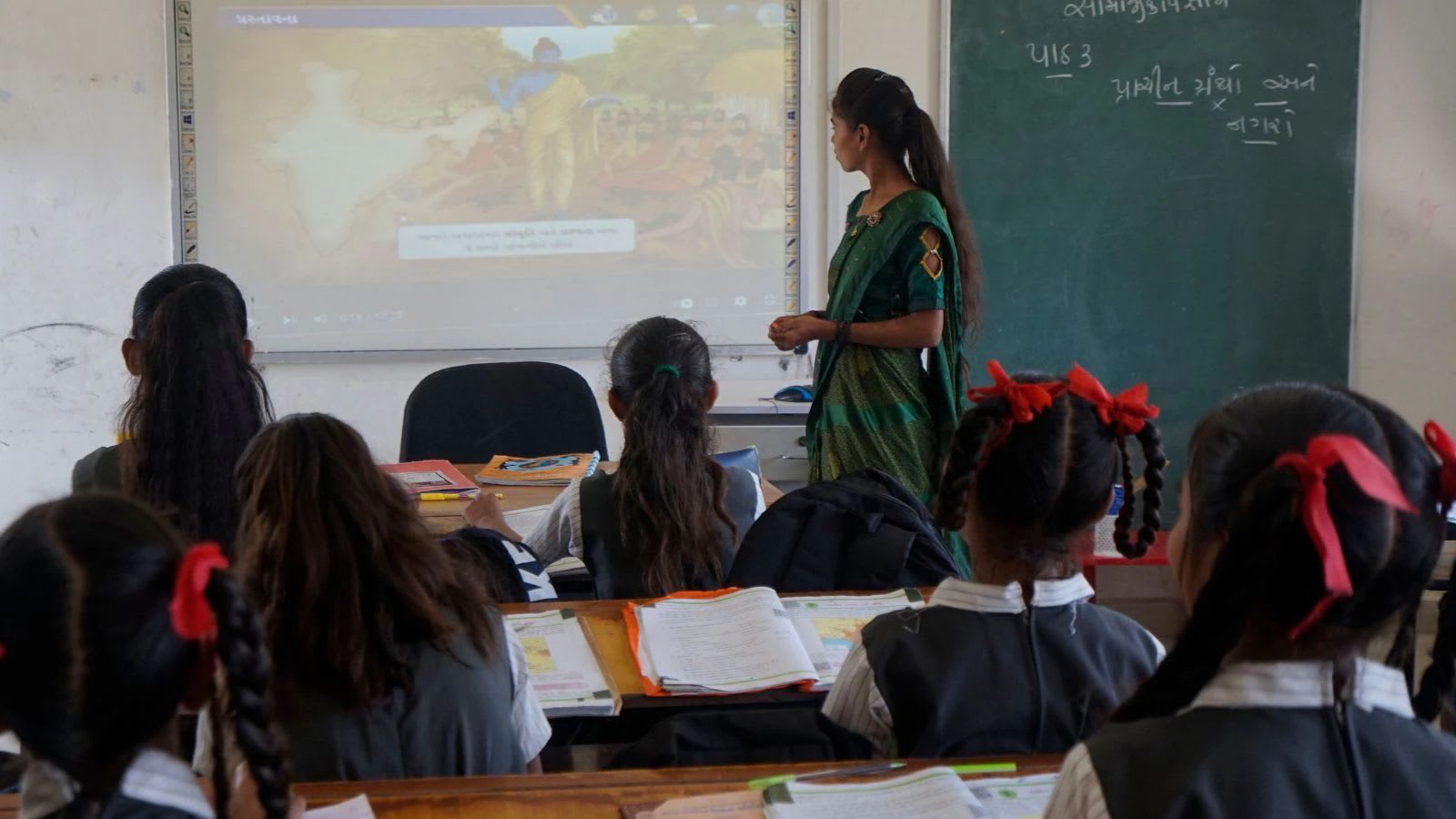
Kerala is facing a significant teacher recruitment crisis as declining birth rates lead to fewer school admissions. Consequently, thousands of qualified rank holders are protesting after only a small fraction of the 2025 teacher list was appointed.
The Crisis of Declining Enrollment in Kerala's Schools
The state of Kerala, long celebrated for its demographic transitions and high literacy rates, is currently navigating the complex consequences of a sustained decline in fertility. For aspirants like 40-year-old S. Valarmathi, this demographic shift has manifested as a harsh professional reality. Having secured a position on the 2025 rank list for lower primary teachers, Valarmathi expected a career-defining appointment. Instead, she has spent 41 days in an indefinite agitation outside the state secretariat, representing a broader group of qualified candidates whose professional dreams have been stalled by the shrinking demand for educators.
The Disconnect Between Recruitment and Appointment
The data underscores a startling disparity between government projections and actual classroom vacancies. While the Kerala Public Service Commission (PSC) anticipated a need for 6,114 teachers for government lower primary schools over a three-year period beginning in June 2025, the reality has been vastly different. To date, only 239 candidates have been appointed. This massive shortfall suggests that the state’s educational infrastructure is rapidly adjusting to a reality where the number of school-aged children is plummeting, rendering the previous recruitment targets obsolete.
Demographic Shifts and Their Long-term Implications
Kerala’s demographic profile has historically been an outlier in India, characterized by replacement-level fertility and high life expectancy. However, the current situation highlights the secondary effects of these trends. As the birth rate continues to fall, the immediate impact is felt in lower primary school enrollment. When student numbers drop, the government is forced to consolidate classes or reduce the number of sanctioned teaching posts to manage public expenditure, directly impacting the career prospects of those who have spent years preparing for these exams.
The Pressure on Rank Holders
For the thousands of individuals on the 2025 rank list, the clock is ticking. These lists are valid for a maximum period of three years, meaning they are slated to expire in May 2028. Aspirants are acutely aware that if they are not appointed before this expiration, their qualification and efforts will essentially be voided. The ongoing protests at the state secretariat are a desperate attempt to force the government to address the mismatch between the number of qualified teachers produced and the actual number of teaching positions available in the public sector.
Policy Challenges and Future Outlook
Looking ahead, the Kerala government faces a difficult policy dilemma. It must balance the legitimate employment aspirations of its citizens with the fiscal necessity of adjusting school staff levels to reflect current enrollment numbers. If the trend of fewer children continues, the state will likely need to re-evaluate how it approaches teacher recruitment altogether. The current agitation serves as a microcosm of the challenges that aging societies face when public services—specifically education—are forced to contract in response to shifting population dynamics.