Keralam’s UDF govt at three months: hits, hurdles, and high expectations of V.D. Satheesan
Source Entity
India Latest News: Top National Headlines Today & Breaking News | The Hindu
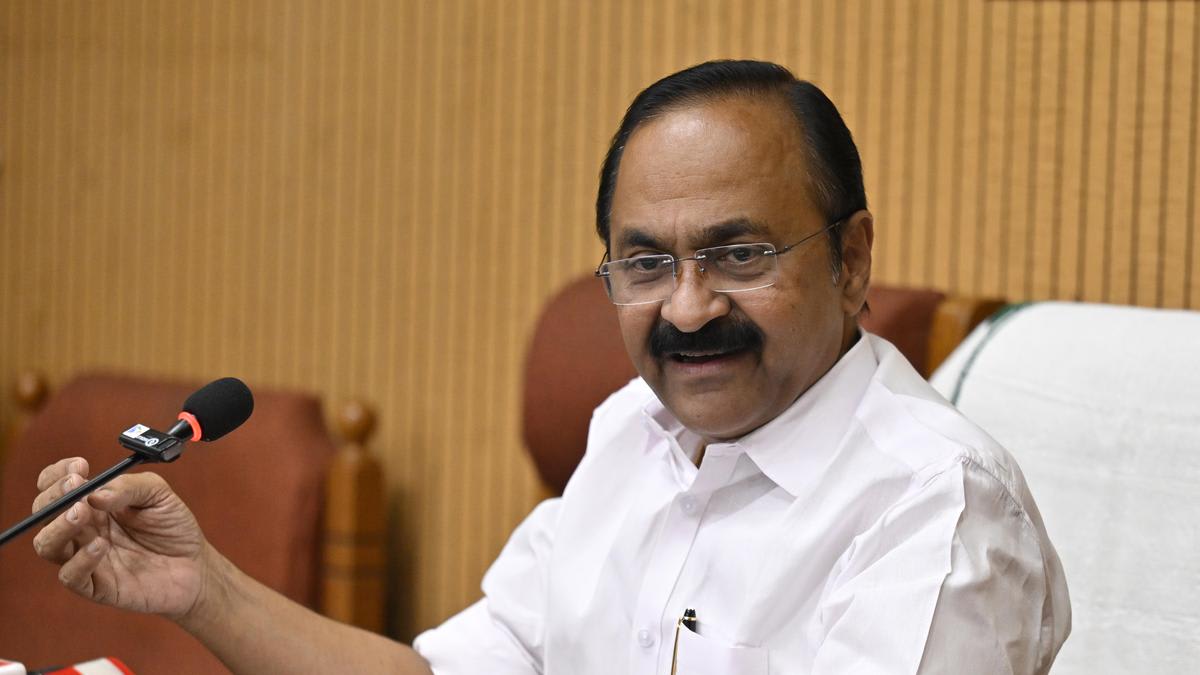
The UDF government in Kerala, led by V.D. Satheesan, marks its first three months with a focus on 'Puthuyuga Keralam' amid fiscal and administrative challenges. The administration faces pressure to balance welfare initiatives like free bus travel with economic sustainability while navigating a leadership transition within the KPCC.
The UDF Government at Three Months: Navigating a New Era in Kerala
The swearing-in of Chief Minister V.D. Satheesan on May 18, 2026, marked a significant political shift in Kerala following the United Democratic Front’s (UDF) impressive 102-seat landslide victory. Three months into his tenure, the 62-year-old leader is attempting to translate his campaign vision of 'Puthuyuga Keralam' (new-age Keralam) into actionable policy. However, the administration has encountered a complex landscape of operational hurdles, ranging from climate-induced infrastructure strain to the intricate management of state-level welfare economics.
The Challenge of Infrastructure and Continuity
One of the most immediate trials for the Satheesan government has been the monsoon-season electricity crisis. This event highlights the precarious nature of state utility management, where infrastructure resilience is constantly tested by environmental volatility. For a government that promised a modernized approach to governance, these 'pesky' challenges serve as a reality check, forcing the administration to balance long-term developmental goals with the necessity of immediate, reactive crisis management.
The Economics of Welfare: The Case of Public Transport
A focal point of the current discourse is the initiative to provide free bus travel for women. While the policy is rooted in the commendable objective of enhancing mobility to improve access to education, healthcare, and employment, it has sparked a necessary debate regarding fiscal sustainability. As noted by analysts, the program exposes a fundamental dilemma in public policy: the tension between social welfare objectives and the economic viability of the state’s transport market. The UDF government is now tasked with ensuring that such inclusion-driven programs do not inadvertently undermine the livelihoods of transport operators or the fiscal health of the state budget.
Rebuilding the Party Organization
Beyond governance, the Congress party is currently navigating a pivotal internal transition. With the induction of former KPCC president Sunny Joseph into the Cabinet, the party is scouting for new leadership. This appointment is not merely an administrative necessity; it is a signal of the party's future strategic direction. The Congress must decide whether to prioritize a generational shift toward aggressive, campaign-oriented leaders or maintain the status quo with consensus-driven veterans.
Balancing Social Coalitions
Perhaps the most delicate task for the UDF is the maintenance of its social coalition. The 2026 electoral success was heavily predicated on the support of Muslim and Christian communities. As the party selects its next state chief, it must carefully navigate the complex caste and community equations that define Kerala’s political landscape. Failure to balance these interests could threaten the stability of the very coalition that secured their recent landslide victory.
Future Outlook and Conclusion
As the UDF moves past its first 100 days, the administration’s success will be measured by its ability to resolve the tension between its ambitious 'Puthuyuga Keralam' agenda and the pragmatic, often difficult, fiscal realities of governing a state. By addressing the economic implications of welfare schemes and successfully managing the leadership transition within the KPCC, the Satheesan government will determine whether its electoral mandate can be translated into a lasting era of political and social stability.
Verification Required?