Analysis: Warsh is learning to wield the Fed's power without showing his hand
Source Entity
US Top News and Analysis
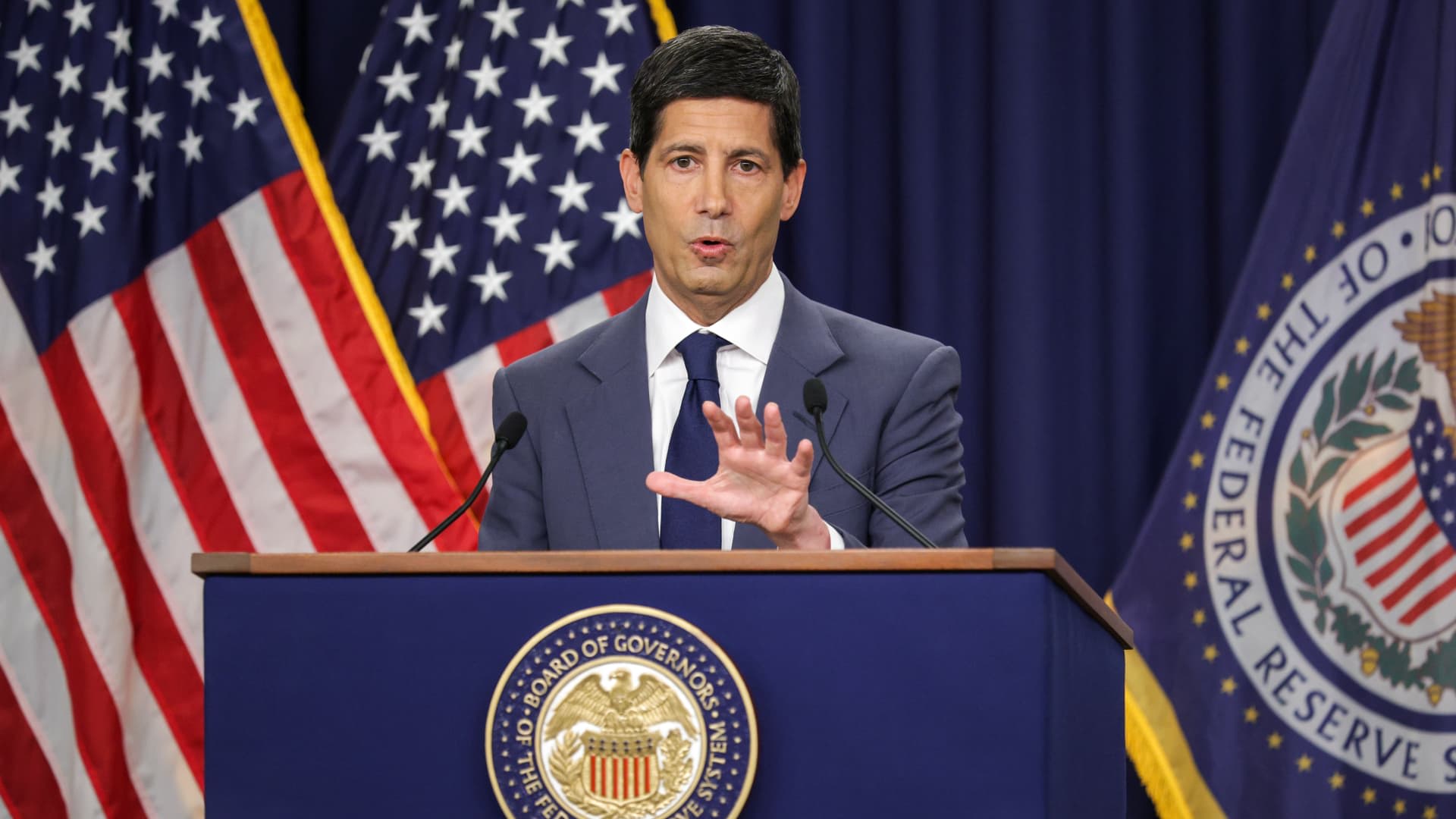
Federal Reserve Chair Kevin Warsh is adopting a more strategic, data-dependent approach to monetary policy communication. By maintaining flexibility on interest rates, he is asserting his independence while reshaping the Federal Reserve's institutional influence.
The Evolution of Kevin Warsh’s Monetary Strategy
Federal Reserve Chair Kevin Warsh has entered a new phase of leadership, characterized by a deliberate recalibration of his communication style and institutional authority. During his recent press conference following the October 2026 Federal Open Market Committee (FOMC) meeting, it became evident that Warsh is no longer seeking to project a rigid policy path. Instead, he is cultivating an aura of strategic ambiguity, allowing him to wield the Fed’s considerable influence without prematurely committing to specific interest rate trajectories.
Navigating the Pressure of Executive Expectations
Warsh’s tenure began under the shadow of significant political pressure, specifically from a president who viewed interest rate cuts as a primary litmus test for the Fed chair position. This tension was palpable during the early months of his chairmanship, particularly when the FOMC chose to hold rates flat throughout June and July. Despite the president’s public push for easing, Warsh navigated these months with a focus on inflation data rather than political expediency, signaling a clear separation between the White House’s desires and the Fed's dual mandate.
Shifting Communication Tactics
In his early days as chair, Warsh often appeared defensive, struggling to reconcile the volatility of market expectations with his own policy goals. The shift observed in late 2026 represents a maturation of his leadership style. By refusing to show his hand entirely, Warsh is effectively training market participants to focus on incoming economic data rather than reading into his every word. This strategy reduces the risk of market overreaction and allows the Fed to remain reactive to the actual state of the economy.
Institutional Reshaping and Independence
Beyond immediate policy decisions, Warsh is actively using his authority to reshape the Federal Reserve as an institution. This involves not only changing how the Fed communicates but also how it handles internal dissent and external pressure. By maintaining a stance that leans toward higher interest rates while leaving sufficient room for maneuver, he is asserting the Fed's traditional independence from the executive branch, even while operating under a mandate that was heavily scrutinized at the time of his appointment.
Implications for Future Monetary Policy
Looking forward, Warsh’s approach suggests a trend toward increased data-dependency and a departure from the forward-guidance models that dominated the post-2008 era. By keeping his options open based on evolving inflationary pressures, he is signaling that the Fed will not be bound by past promises if economic conditions change. This environment of 'strategic silence' may lead to higher market volatility in the short term, but it ultimately grants the central bank the flexibility required to navigate a complex macroeconomic landscape.
Conclusion
Kevin Warsh has effectively transitioned from a leader under pressure to a chairman who dictates the terms of engagement. His ability to balance the political realities of his appointment with the technical requirements of central banking marks a significant turning point in his tenure. As he continues to consolidate his influence, the market will likely see a more calculated, less predictable, and ultimately more autonomous Federal Reserve under his guidance.