Paan’s dark supply chain: How Rs 120-crore khair smuggling network spread its tentacles
Source Entity
Jayprakash S Naidu
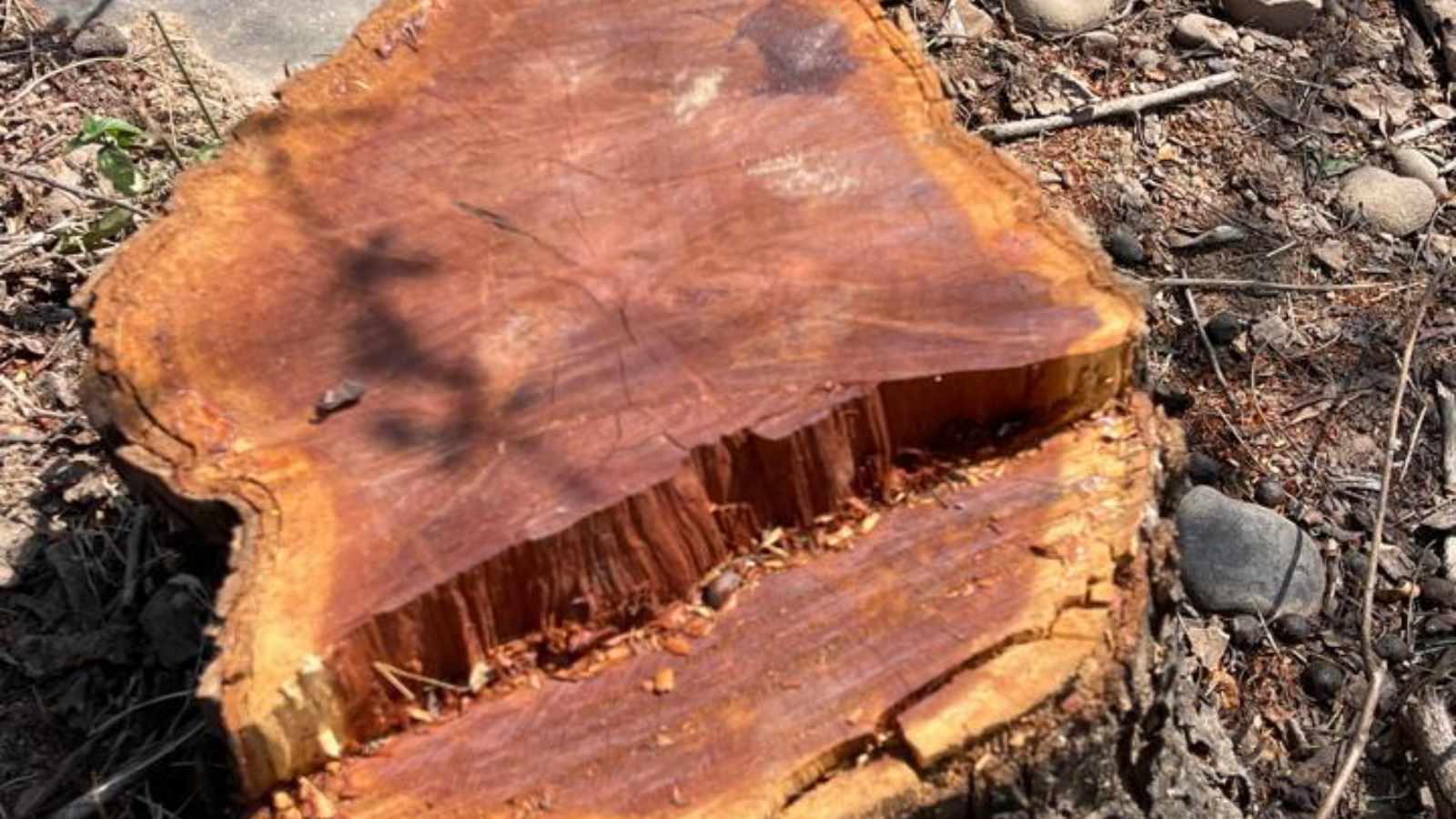
Chhattisgarh police have uncovered a Rs 120-crore interstate smuggling network involving the illegal extraction of khair wood in Odisha. The operation relied on forged transit permits to transport the raw material to katha-making facilities in Himachal Pradesh.
The Hidden Cost of Paan: Unmasking a Multi-Crore Smuggling Ring
Katha, the essential catechu extract derived from the heartwood of the Khair (Acacia catechu) tree, is a ubiquitous presence in the Indian paan industry. While it serves as a staple ingredient for millions of consumers, a recent investigation by the Chhattisgarh Police has exposed a dark underbelly to this supply chain. The discovery of an alleged Rs 120-crore smuggling network originating in the forests of Western Odisha highlights the ecological and legal vulnerabilities inherent in the unregulated harvesting of forest resources.
The Anatomy of the Illegal Operation
The illicit network came under the spotlight on June 17, when authorities in the Mahasamund district of Chhattisgarh intercepted a truck transporting 23,350 kg of khair wood. This massive shipment was purportedly destined for katha-manufacturing hubs in Himachal Pradesh. The seizure was not merely a routine traffic stop; it was the culmination of a three-month-long investigation by the Chhattisgarh Police, who had been tracking the movement of timber across state lines to dismantle a sophisticated logistical operation.
Forgery and the Failure of Transit Systems
Central to this smuggling operation was the systematic falsification of official documentation. The intercepted shipment carried a National Transit Pass System (NTPS) clearance certificate, which appeared to have been issued by the Forest Department in Kurnool, Andhra Pradesh. Upon verification, officials discovered that this document was a forgery. The abuse of the NTPS—a system designed to streamline the legal transit of forest produce—reveals a significant security loophole that allows criminal enterprises to bypass environmental regulations and state-level timber quotas.
Ecological and Economic Implications
The Khair tree is essential not only for the commercial production of katha but also for its ecological role in forest ecosystems. The scale of this Rs 120-crore operation suggests a massive, systematic extraction that likely exceeds sustainable harvesting limits. By circumventing forest department oversight, these criminal networks bypass the taxes and royalties meant to support local forest economies, effectively robbing the state of revenue while simultaneously accelerating deforestation in the fragile regions of Western Odisha.
Broader Trends in Forest Crime
This incident serves as a microcosm of larger trends in environmental crime where high-value forest products are funneled into legitimate manufacturing sectors. By embedding illegal timber into the supply chains of katha-making companies in Himachal Pradesh, the smugglers exploit the high demand for processed goods to launder their illicit raw materials. This case underscores the urgent need for enhanced digital verification for the NTPS and closer inter-state cooperation between forest and law enforcement agencies to ensure that the 'dark' supply chain of the paan industry is brought under strict regulatory control.