Tried and Tested: My kitchen wardrobe smelt musty, so I tried a moisture absorber to see if it really worked
Source Entity
Latest News: Todays Latest News Headlines from India & World | Hindustan Times | Hindustan Times
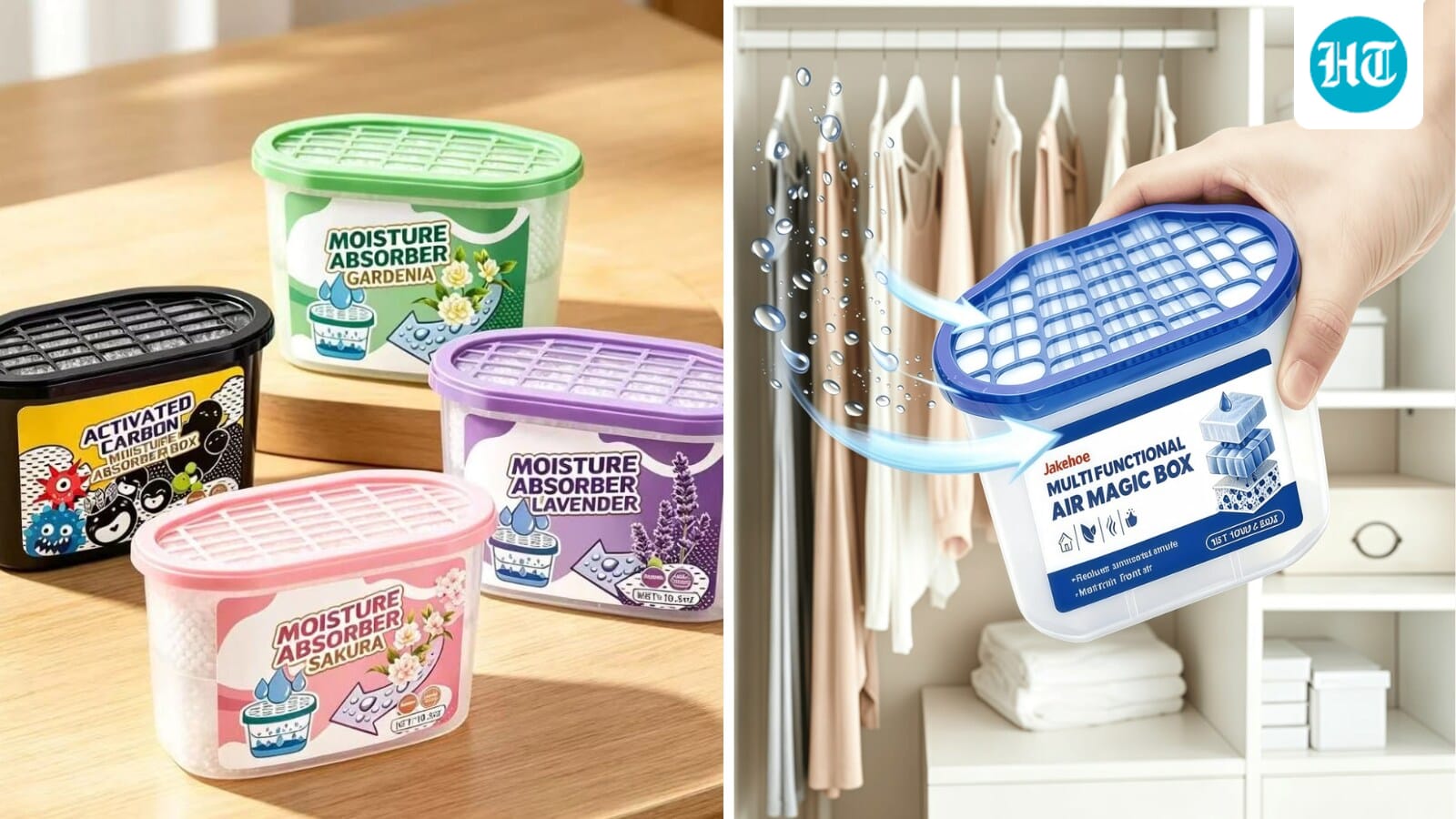
A renter shares a practical, low-cost solution for managing persistent dampness and odors in kitchen cabinetry. Using a moisture absorber provides a temporary fix for storage issues caused by poor-quality materials.
Addressing Household Dampness: A Practical Approach
Living in rental properties often presents unique challenges, particularly when it comes to maintaining the structural and aesthetic integrity of storage spaces. For many tenants, the reality of 'low-grade' cabinetry materials means that moisture accumulation is not just an occasional nuisance, but a recurring environmental issue. When professional intervention, such as replacing an entire kitchen wardrobe, is either cost-prohibitive or restricted by landlord policies, residents must turn to accessible, non-invasive solutions to preserve their living environment.
The Challenge of Low-Grade Cabinetry
The core issue stems from the materials used in budget-friendly kitchen storage units. Often constructed from particleboard or low-density fiberboard, these materials are highly susceptible to humidity absorption. Once these porous surfaces become damp, they serve as breeding grounds for musty odors and, if left unchecked, potential mold growth. This creates a cycle where the storage unit itself contributes to the poor air quality of the kitchen, impacting the hygiene of stored items.
Evaluating Moisture Absorbers
In the absence of a permanent structural renovation, moisture absorbers offer a pragmatic stop-gap measure. These devices work by utilizing desiccant materials—typically calcium chloride—to pull water vapor directly from the air within a confined space. By lowering the relative humidity inside the wardrobe, the rate of moisture absorption by the cabinetry material is significantly reduced, which in turn mitigates the lingering musty scent.
Managing Renter Limitations
For those unable to renovate, the strategy shifts from 'fixing the problem' to 'managing the symptoms.' This requires a consistent maintenance schedule, including the regular replacement of desiccant packs once they reach capacity. While this does not address the underlying flaw of the low-grade construction, it provides a functional workaround that allows tenants to utilize their kitchen space without the discomfort of persistent odors.
Future Trends in Household Maintenance
As urbanization increases the demand for rental housing, we are likely to see a rise in DIY-focused home maintenance solutions. The shift toward portable, non-destructive tools for environmental control reflects a broader trend of renters taking agency over their living conditions. While moisture absorbers are a simple tool, they represent a significant shift in how tenants engage with the limitations of their domestic infrastructure, prioritizing health and comfort through incremental, self-directed improvements.
Verification Required?