NMC chief calls for quality focus as India expands medical education
Source Entity
Latest News: Todays Latest News Headlines from India & World | Hindustan Times | Hindustan Times
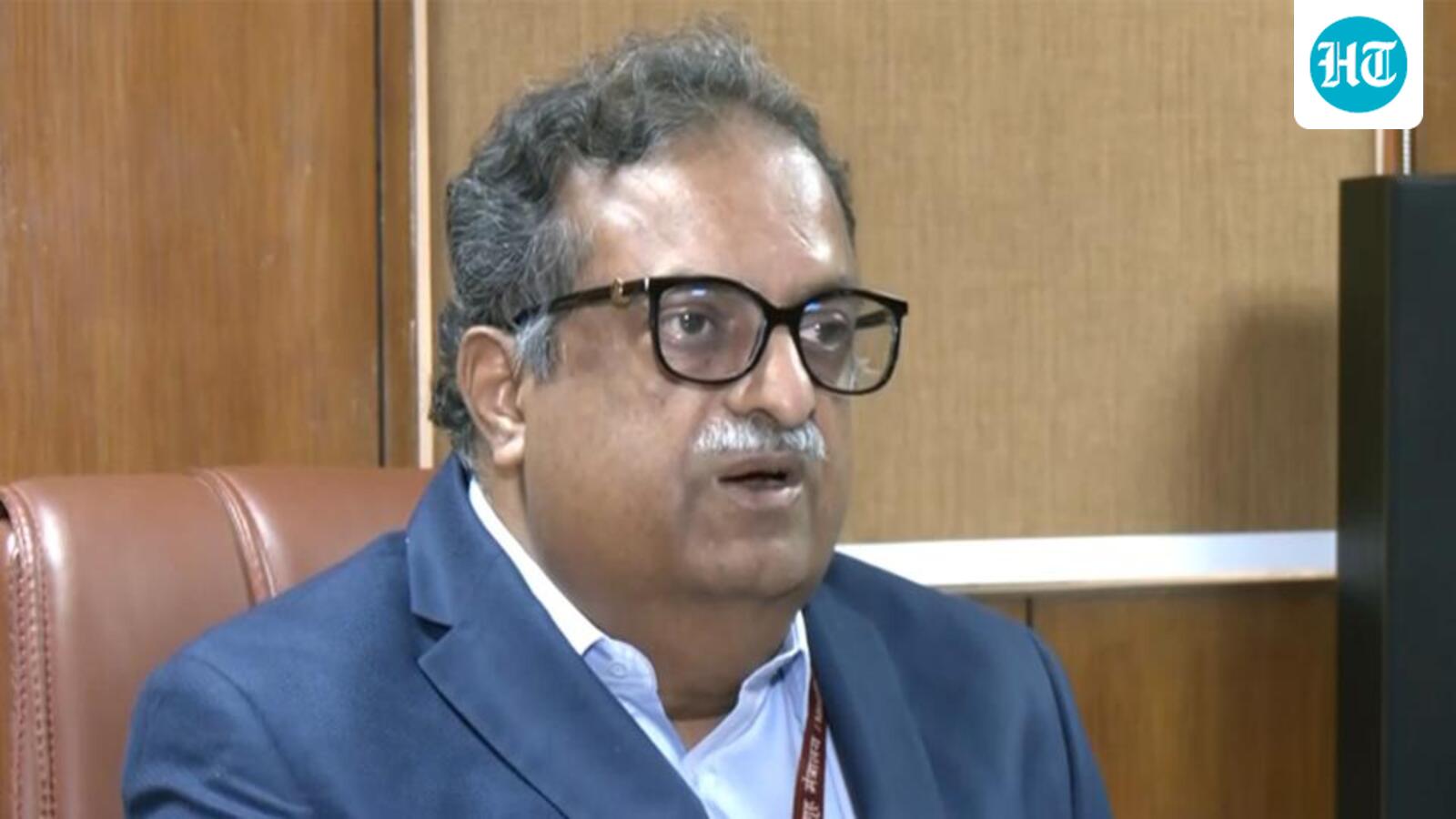
NMC Chairperson Abhijat Sheth has emphasized the need to prioritize quality and technology-driven learning alongside India's rapid expansion of medical colleges. This strategy aims to balance the surge in MBBS seats with the critical necessity of maintaining high competency standards for the future healthcare workforce.
Balancing Quantity and Quality in Indian Medical Education
A Strategic National Expansion
The National Medical Commission (NMC), under the leadership of chairperson Abhijat Sheth, is currently navigating a pivotal phase in India's educational landscape. With the number of medical colleges now exceeding 800, the nation is undergoing a rapid transformation intended to address long-standing gaps in healthcare accessibility. This surge in MBBS seats is not merely a quantitative goal but a "purposeful national strategy" designed to mitigate geographical and demographic disparities that have historically hindered equitable healthcare delivery across the country.
The Imperative of Standards
Despite the clear benefits of a larger workforce, Dr. Sheth has issued a poignant warning: the pace of growth must not outstrip the quality of instruction. As the system scales, the risk of diluting educational standards becomes a legitimate concern. The NMC’s focus on maintaining stringent competency benchmarks serves as a safeguard against the potential pitfalls of rapid expansion, ensuring that the influx of new medical professionals is equipped with the necessary clinical acumen to serve the public effectively.
The Role of Technology and AI
Central to the NMC’s vision for the future is the integration of technology-enabled learning. Recognizing the limitations of traditional pedagogical models in a digital age, the commission is advocating for the adoption of AI skills and advanced educational tools. By embedding artificial intelligence into the curriculum, the NMC aims to modernize medical training, ensuring that Indian graduates are not only compliant with national standards but are also globally competitive in a technology-driven medical environment.
Addressing Disparities
The expansion of medical education is inherently linked to social equity. By increasing the number of colleges, the government seeks to distribute healthcare expertise more evenly across both urban and rural regions. This geographical dispersion is vital for a nation of India's size, where access to specialized care is often concentrated in metropolitan hubs. The NMC's emphasis on quality ensures that these new institutions, regardless of their location, provide a uniform standard of care and education.
Future Trends and Sustainability
Looking ahead, the sustainability of this educational expansion will depend on the synergy between infrastructure growth and faculty development. As the NMC continues to monitor the quality of the 800+ institutions, the focus will likely shift toward continuous professional development and the rigorous assessment of clinical training programs. The success of this endeavor will be measured not by the number of graduates, but by the measurable improvement in health outcomes for the Indian population.
Conclusion
In summary, the NMC’s dual-track approach—rapid expansion balanced with an unwavering commitment to quality—represents a critical juncture for India’s healthcare system. By prioritizing competency and embracing technological innovation, the commission is laying the groundwork for a robust medical ecosystem capable of meeting the complex demands of the 21st century.
Verification Required?