3A notification for eight-lane Kochi Bypass to be reissued in August
Source Entity
India Latest News: Top National Headlines Today & Breaking News | The Hindu
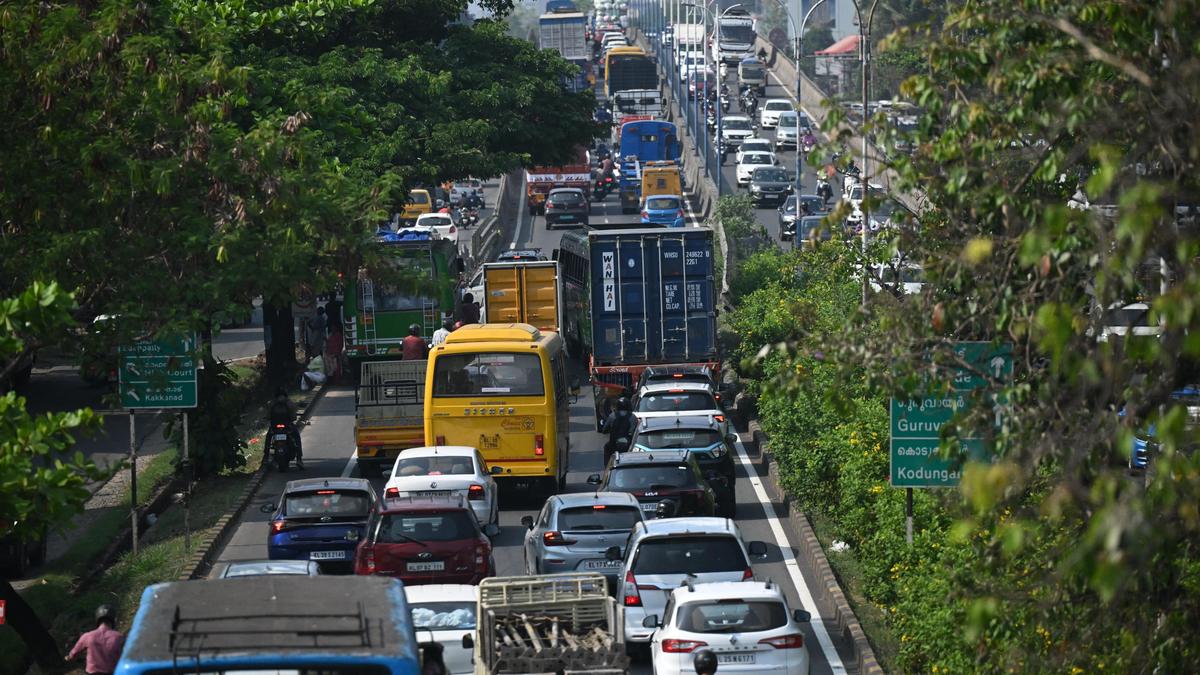
The Centre has approved a 50-km eight-lane Kochi Bypass project connecting Angamaly and Aroor. Authorities are set to reissue the 3A land acquisition notification in August to initiate the formal acquisition process.
The Kochi Bypass Expansion: A Strategic Infrastructure Pivot
The infrastructure landscape in Kerala is undergoing a significant transformation with the recent approval of an eight-lane, 50-km bypass project connecting Angamaly and Aroor. This development marks a shift from the previously proposed six-lane, 44-km project that was intended to link Angamaly and Netoor. The transition to a broader, longer corridor underscores the central government's commitment to enhancing transit capacity in one of Kerala’s most congested commercial arteries.
The Administrative Reset: Why the 3A Notification Matters
The reissuing of the 3A notification in August serves as the formal administrative trigger for land acquisition under the National Highways Act. The previous notification, issued in 2024, failed to progress due to a lack of follow-up action, effectively stalling the project. By reissuing this legal instrument, the government is essentially hitting the reset button to align the project's legal framework with the newly sanctioned eight-lane specifications, ensuring that all future land acquisition is compliant with current project parameters.
Navigating the Width Controversy
A critical element in the project's evolution is the shift in required land width. Initially, the project was envisioned as a 45-metre wide, six-lane corridor. However, the decision to upgrade the project to an eight-lane highway necessitated an expansion of the right-of-way to 70 metres. This change has created a period of transition where stakeholders are currently awaiting final clarity on the exact footprint of the 50-km corridor, a detail that is essential for both the government and the affected landholders.
Procedural Roadmap and Public Engagement
Following the issuance of the 3A notification, the project will move into a series of transparent, procedural phases. These include the physical laying of boundary stones, which demarcates the land intended for acquisition, followed by a mandatory public hearing process. This stage is vital for the mitigation of grievances among local landowners, providing a formal channel for feedback and addressing concerns regarding compensation and displacement before the field surveys are finalized.
Regional Implications and Future Trends
The Kochi Bypass project is not merely an isolated construction endeavor; it is a vital link between NH 66 and NH 544. By expanding the capacity of this corridor, the government aims to alleviate the chronic traffic congestion that plagues the Kochi metropolitan area. If successfully implemented, this project will likely set a precedent for future highway expansions in Kerala, emphasizing the need for wider, future-proof infrastructure to support the state’s growing logistical and economic demands.
Conclusion
As August approaches, the focus remains on the successful reissuance of the 3A notification and the subsequent administrative efficiency. The transition from a 44-km six-lane plan to a 50-km eight-lane highway reflects a broader strategic vision for Kerala’s connectivity. While the project faces the inherent complexities of land acquisition, the clear roadmap—involving public hearings and field surveys—suggests a structured approach toward delivering a critical infrastructure asset for the region.
Verification Required?