Kochi Corporation proposes new waste treatment facility at Brahmapuram amidst Opposition protest
Source Entity
India Latest News: Top National Headlines Today & Breaking News | The Hindu
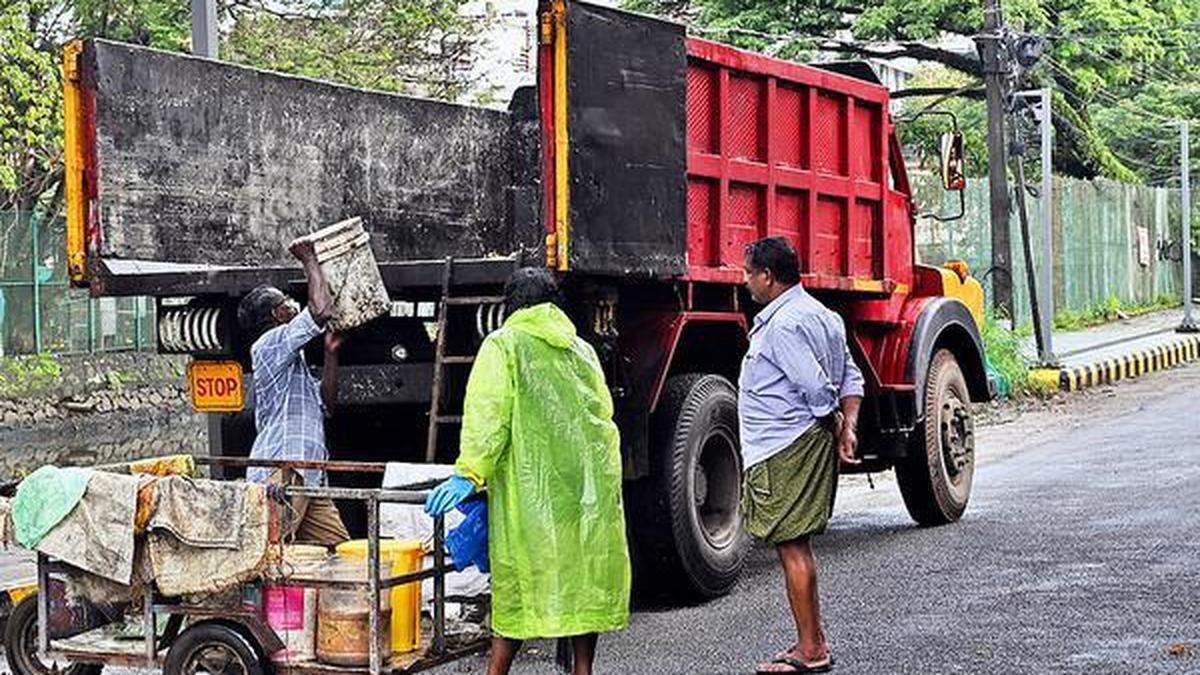
The Kochi Corporation is considering a new 150-tonne capacity waste treatment plant at Brahmapuram due to the underperformance of the existing facility. G3 Renewables Private Limited has proposed operating this new plant on a 25-year lease, sparking opposition protests.
Kochi’s Waste Management Crisis: A Strategic Shift
The Kochi Corporation is currently navigating a critical juncture in its waste management strategy. With the existing Compressed Biogas (CBG) plant at Brahmapuram failing to meet its operational target of 150 tonnes per day, nearly six months post-commissioning, the municipal body is under immense pressure to find a sustainable solution. The proposal to establish a second plant of equal capacity reflects a desperate need to address the mounting waste backlog that continues to plague the region.
The Proposal from G3 Renewables
At the center of this new development is G3 Renewables Private Limited, a firm with existing operational experience at Willingdon Island for the Cochin Port Authority. The company has formally proposed to manage a new facility for the Corporation, contingent upon securing a three-acre plot of land on a 25-year lease. This long-term commitment suggests an attempt to provide stability to a waste management infrastructure that has historically struggled with inconsistency.
Political Friction and Public Concern
Despite the urgent necessity of the project, the proposal has encountered significant resistance. Opposition groups have staged protests, highlighting the contentious nature of waste management projects in residential or sensitive environmental zones like Brahmapuram. The political discourse surrounding the upcoming council meeting on August 13, 2026, underscores the difficulty of balancing infrastructure development with public sentiment and environmental accountability.
Operational Failures and Future Trends
The core issue remains the failure of the current CBG facility to function at its intended scale. When infrastructure projects operate at a mere fraction of their capacity, the financial and environmental costs to the municipality multiply. If the council approves the G3 Renewables proposal, it marks a pivot toward private-sector partnership as a primary solution for municipal waste, potentially setting a precedent for how other Kerala municipalities manage urban waste in the coming decade.
Analyzing the Path Forward
Looking ahead, the success of this initiative will depend on the Corporation's ability to navigate the legal and environmental hurdles associated with the 25-year lease. If the new plant successfully scales to the required 150 tonnes per day, it could alleviate the pressure on the current facility. However, the recurring protests suggest that local governance must prioritize transparency and environmental safety to ensure that the proposed expansion does not merely replicate the systemic bottlenecks seen in the previous project.
Verification Required?