Kohli's 74, Arshdeep's 4-wicket haul guide India to victory against New Zealand
Source Entity
NITESH DUBEY
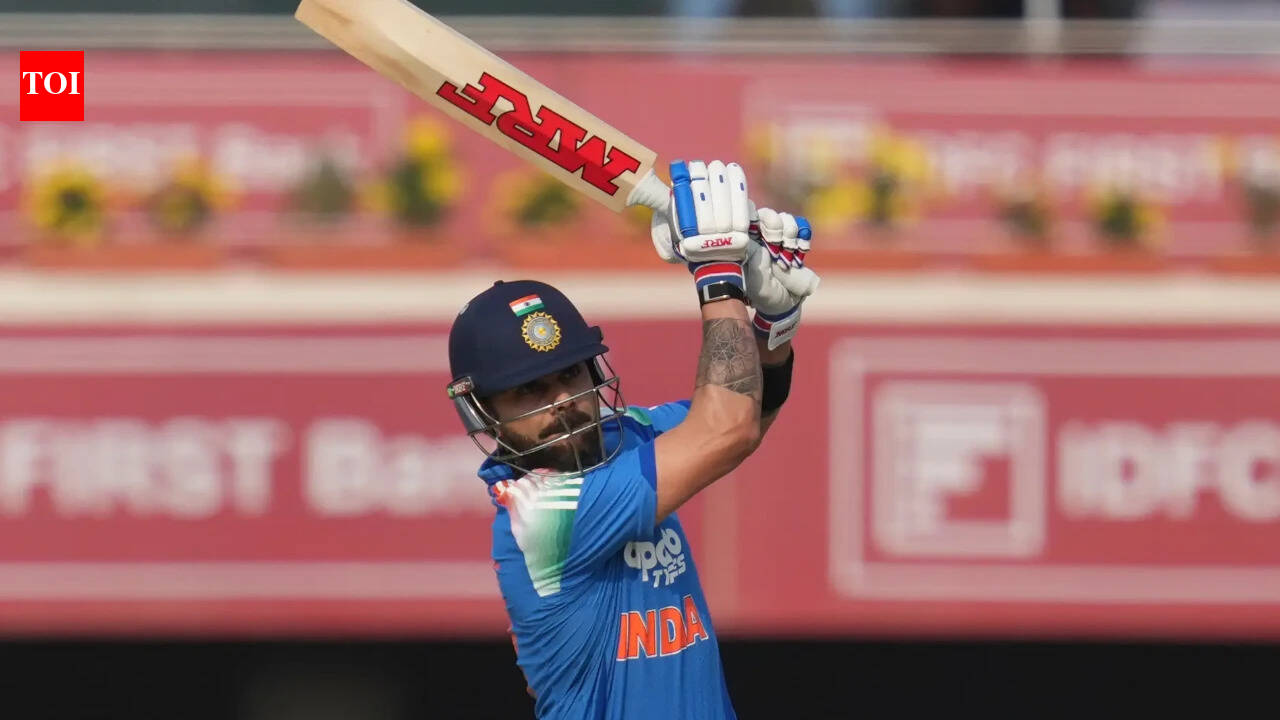
Virat Kohli and Shubman Gill led India to a five-wicket victory over New Zealand in a rain-affected first ODI in Auckland. Despite visible frustration from the batters regarding playing conditions, India successfully chased a DLS-revised target of 143.
India's Tactical Triumph in Auckland
The first ODI of the five-match series between India and New Zealand at Eden Park, Auckland, proved to be a test of both skill and patience. As India embarked on their chase of a 186-run target, the match was quickly defined by erratic weather patterns. The contest saw New Zealand restricted to a modest total of 185, largely due to a potent performance by India's pace attack, headlined by Arshdeep Singh’s four-wicket haul. This initial dominance set the stage for an Indian lineup looking to assert early authority in the series.
The Challenge of Playing Through Rain
Despite the eventual success, the match was not without controversy regarding player safety. Early in the 11th over, with India at 29/1, play was halted due to intensifying rain. Upon the resumption of play after a significant hour-long delay, the Duckworth-Lewis-Stern (DLS) method revised India's target to 167. However, the precipitation returned almost immediately. Both Virat Kohli and Shubman Gill were visibly unhappy with the conditions, expressing concern that they "couldn't see the ball" as they attempted to continue batting. This tension between match officials and players highlights the difficult balance between managing broadcasting requirements and ensuring the physical safety of athletes on a slick pitch.
Kohli and Gill: A Decisive Partnership
Once the match stabilized, the partnership between Virat Kohli and captain Shubman Gill became the bedrock of India's victory. Following the early dismissal of Rohit Sharma for a duck, the pair stabilized the innings with a crucial century stand. Kohli, displaying his trademark mastery in run chases, scored a fluent 74, marking his 80th ODI half-century. Gill provided valuable support, contributing 37 runs before his dismissal in the 19th over. Their ability to navigate the shifting targets set by the DLS method proved decisive in keeping the required run rate manageable.
Navigating the DLS Complexity
The DLS method is a frequent protagonist in New Zealand-hosted cricket matches, and this game was no exception. With the target eventually adjusted to 143 runs in 32 overs, India’s approach shifted from a standard chase to a calculated sprint. Kohli’s experience proved vital here, as he managed the tempo of the innings through the various interruptions. By the time the final target was reached in 22.4 overs, India had secured a five-wicket win, showcasing the team's adaptability to changing match conditions.
Broader Implications for the Series
This victory provides India with a 1-0 lead in the five-match series, a significant psychological advantage heading into the next encounter. The win serves as a testament to the depth of the Indian squad, particularly their bowling versatility led by Arshdeep Singh and the enduring consistency of Kohli, who continues to demonstrate his prowess in the 50-over format. As the series progresses, the ability to handle both hostile conditions and the technicalities of rain-affected play will remain a defining factor for both sides.
Conclusion
While the contest in Auckland was marred by weather interruptions and player concerns over visibility, the quality of cricket remained high. India’s clinical performance in chasing down the revised target under pressure reflects a well-prepared side capable of overcoming both the opposition and the elements. As the teams move forward in the series, the tactical lessons learned during this rain-hit encounter will likely inform the strategies employed in subsequent matches.