Kolkata stampede probe hits blind spot, 17 of 30 CCTV cameras were ‘showpieces’
Source Entity
Sweety Kumari
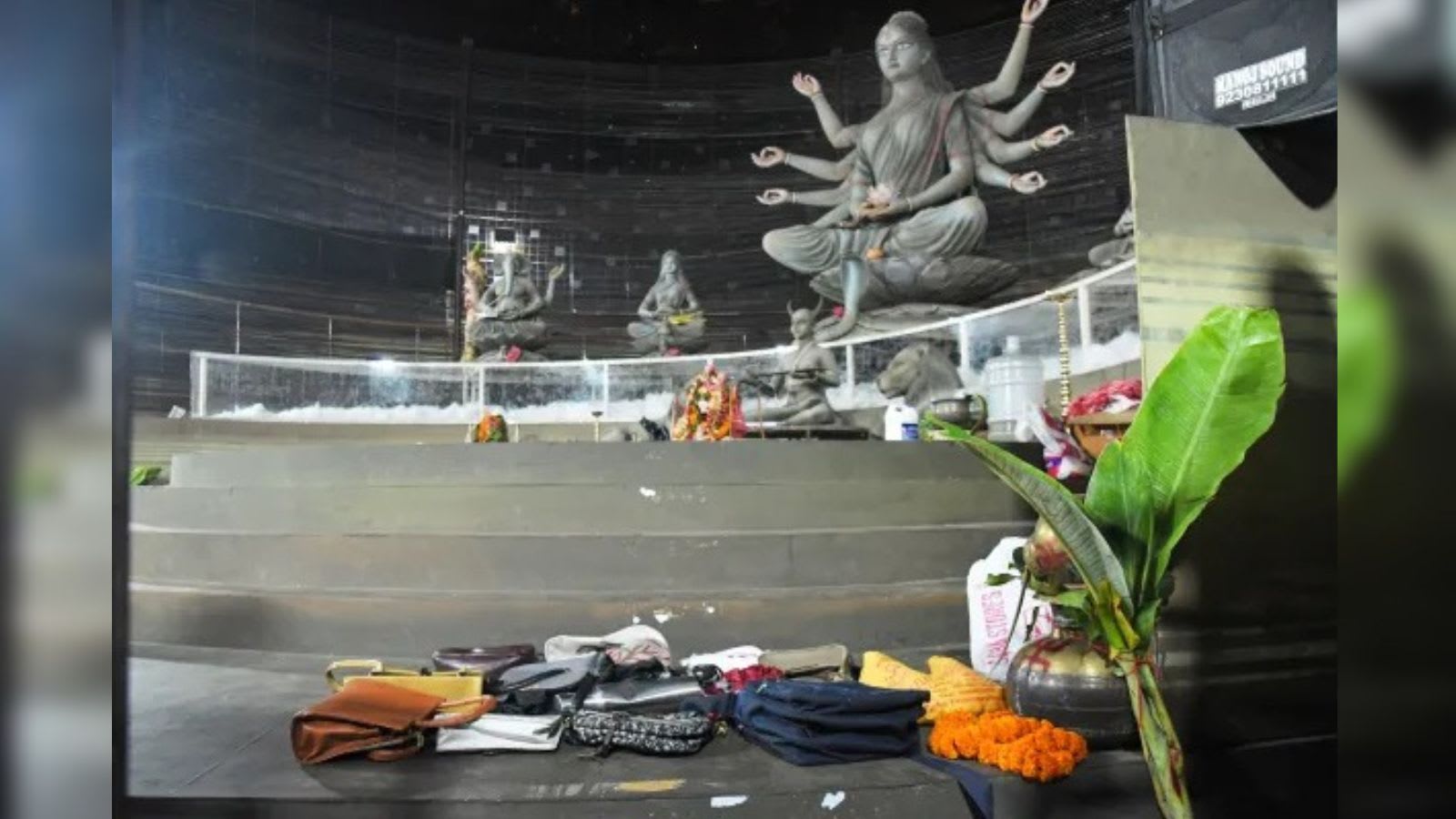
A fatal stampede at a Kolkata Durga Puja pandal has been further complicated by the discovery that 17 of 30 CCTV cameras were non-functional. This critical failure has severely hampered the forensic investigation into the deaths of 19 individuals.
The Kolkata Stampede: A Crisis of Accountability
Recent investigations into the tragic stampede at Kolkata’s Chorbagan Durga Puja pandal have uncovered a disturbing reality: the surveillance infrastructure intended to ensure public safety was largely performative. With 19 lives lost in the chaos, the revelation that 17 out of 30 CCTV cameras were mere "showpieces" highlights a systemic failure in event management and safety oversight.
The Failure of Surveillance Infrastructure
The reliance on CCTV as a primary tool for crowd management and forensic investigation is standard practice for large-scale public gatherings in India. However, the discovery that over half of the cameras at the Chorbagan site were dysfunctional suggests a lack of rigorous maintenance and regulatory compliance. When security equipment is installed solely to satisfy bureaucratic requirements rather than to function in an emergency, the safety of attendees is fundamentally compromised.
Impact on Forensic Investigation
The investigation into the sequence of events leading to the disaster has been significantly obstructed by the absence of reliable video data. Because the cameras were non-functional, investigators are struggling to build a coherent timeline of how the crowd density spiraled into a lethal stampede. The lack of visual evidence makes it difficult to assign culpability or determine exactly where the management protocols failed during the festivities.
The Critical Gap at the Exit Point
Perhaps most alarming is the state of the pandal’s exit gate, a critical point for crowd dispersal. With two out of the three designated cameras at this location failing, the forensic team is forced to rely on a single, incomplete viewpoint. This limitation creates a significant blind spot, preventing authorities from observing the exact moment the exit became a bottleneck, which is often the catalyst for such tragedies.
Broader Implications for Public Safety
This incident serves as a stark warning regarding the "check-box" culture in safety management. If organizers prioritize aesthetic compliance—installing "showpiece" cameras to appear prepared—over functional, tested systems, the risk of future disasters remains high. Moving forward, authorities must mandate stricter audits of surveillance infrastructure before granting permits for large-scale public events.
Conclusion: Moving Toward Accountability
The tragedy in Kolkata is not merely an accident but a failure of oversight. As the investigation continues, the focus must shift toward holding organizers accountable for the falsification of safety standards. Ensuring that public gatherings are monitored by fully operational technology is a non-negotiable requirement for preventing similar loss of life in the future.