Chhath Puja's lesser-known Kosi Bharna ritual involves sugarcane canopies and earthen lamps
Source Entity
Latest News: Todays Latest News Headlines from India & World | Hindustan Times
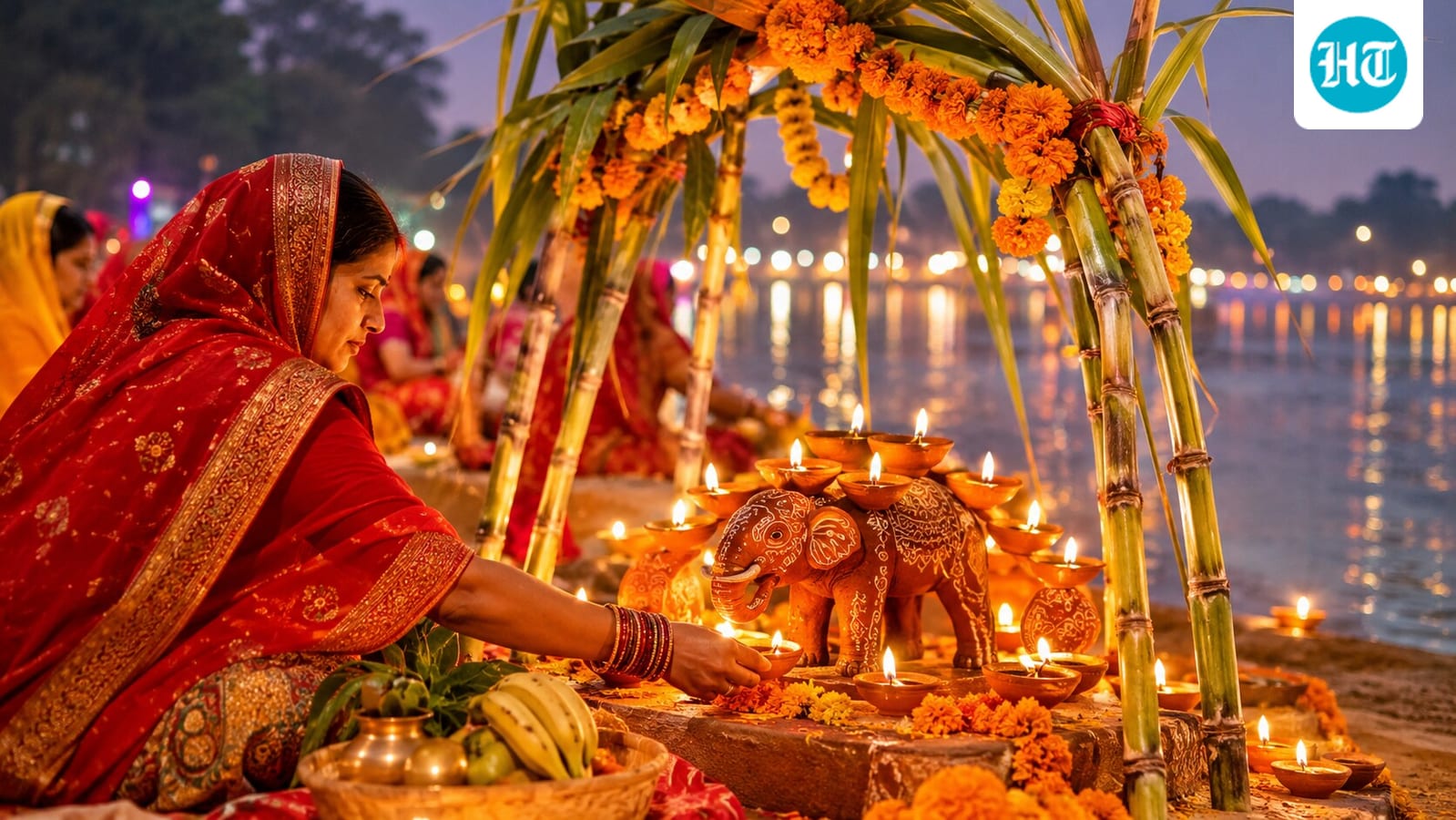
Kosi Bharna is a significant yet lesser-known night-time ritual performed during Chhath Puja. It involves constructing a ceremonial canopy from sugarcane stalks to house earthen lamps and traditional offerings for the Sun God.
The Significance of Kosi Bharna in Chhath Puja
Chhath Puja, a festival dedicated to the Sun God (Surya) and Chhathi Maiya, is widely recognized for its rigorous fasting protocols and the iconic prayers offered to the setting and rising sun. While the public focus often remains on the ghats and riverbanks, the domestic sphere hosts deep, intricate traditions that form the backbone of the celebration. Among these, the 'Kosi Bharna' ritual stands out as a visually striking and spiritually significant practice that transforms households into centers of devotion.
The Architecture of the Kosi Mandap
At the heart of the Kosi Bharna ritual is the construction of the 'Kosi' or 'Kosiya.' This temporary structure is meticulously crafted by binding together sugarcane stalks, typically five in number, to form a small, protective canopy or mandap. The choice of sugarcane is symbolic, representing the harvest, sweetness, and the bounty of nature that the Sun God provides. By creating this structure, devotees establish a sacred space within their homes that acts as a focal point for the night-time prayers.
Ritualistic Offerings and Symbolism
Once the sugarcane canopy is erected, the space beneath it is prepared for offerings. Earthen lamps, or diyas, are lit, casting a warm glow that symbolizes the dispelling of darkness and the welcoming of divine light. Alongside these lamps, a variety of traditional offerings are placed, including fruits and thekua—the quintessential Chhath prasad made of wheat flour, jaggery, and ghee. These items represent the essence of the Earth's fertility and the gratitude of the devotees for the sustenance provided throughout the year.
The Communal and Spiritual Experience
Kosi Bharna is not merely a solitary act of worship but a communal experience that brings family members together in prayer. As the night deepens, families gather around the sugarcane canopy to chant hymns and offer prayers. This ritual emphasizes the continuity of tradition, as it is often passed down through generations, ensuring that the younger members learn the significance of the offerings and the discipline required during the four-day festival.
Broader Cultural Implications
Beyond the individual household, rituals like Kosi Bharna highlight the environmental and agricultural roots of Chhath Puja. The reliance on natural elements—sugarcane stalks, earthen lamps, and seasonal fruits—underscores a deep-seated connection to the land. As the festival gains global recognition, understanding these nuanced night-time rituals helps preserve the cultural integrity of the celebration, distinguishing it from more commercialized observances.
Concluding Reflections
In conclusion, the Kosi Bharna ritual serves as a poignant reminder that Chhath Puja is a multi-layered festival extending far beyond the public rituals at water bodies. The dedication required to construct the sugarcane canopy and the silent, reverent atmosphere created by the earthen lamps illustrate the profound spirituality inherent in the tradition. By honoring these lesser-known practices, the community ensures that the essence of Chhath Puja remains grounded in faith, nature, and familial bonds.
Verification Required?