Residents seek urgent measures to protect Iruvanjippuzha, Cherupuzha riverbanks
Source Entity
India Latest News: Top National Headlines Today & Breaking News | The Hindu
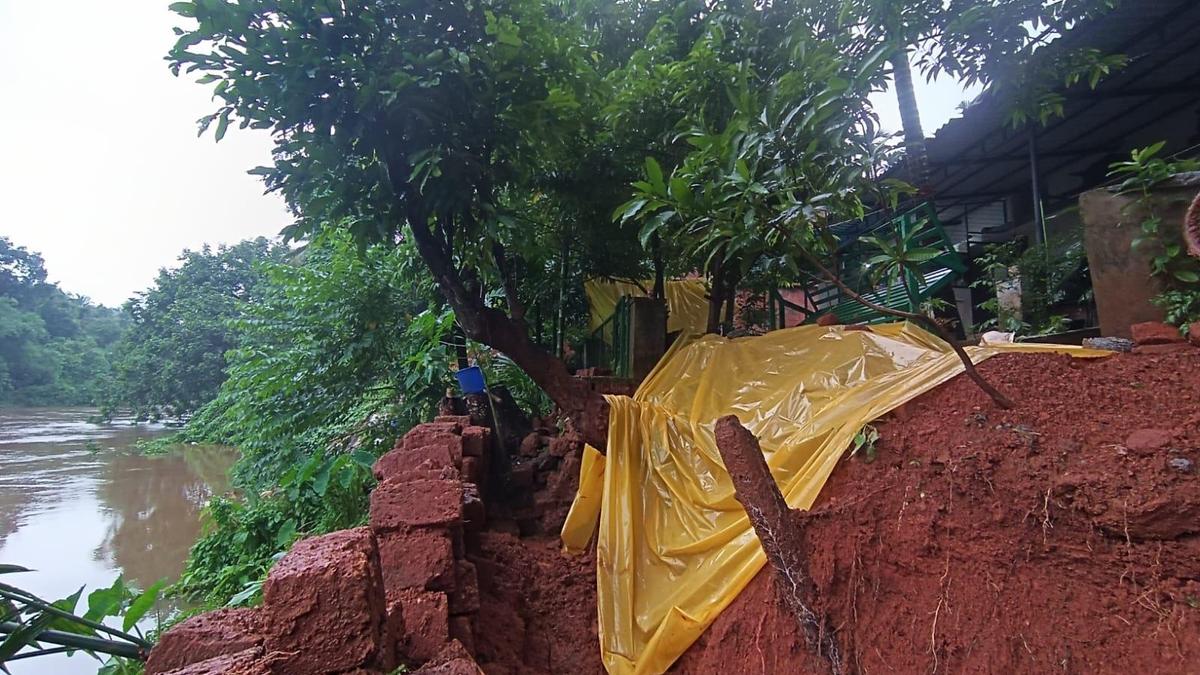
Residents in the Karassery area of Kozhikode are urging authorities to take immediate action against severe riverbank erosion along the Iruvanjippuzha and Cherupuzha rivers, which is destroying homes, farms, and public infrastructure.
Urgent Call for Riverbank Protection in Kozhikode
The residents of Karassery and surrounding areas in the Kozhikode district are facing a critical environmental crisis as severe riverbank erosion along the Iruvanjippuzha and Cherupuzha rivers threatens their livelihoods and safety. The erosion has already claimed significant portions of agricultural land and damaged public infrastructure, leaving the community in a state of precariousness. This situation has prompted local residents to demand immediate government intervention and the implementation of robust protective measures to prevent further loss of property and life.
The Immediate Human and Infrastructure Cost
The erosion is not merely a geological phenomenon but a direct threat to the socio-economic stability of the region. Several houses are now perched on the edge of collapsing banks, creating a constant state of fear for families during the monsoon season. Beyond residential properties, the degradation of public infrastructure—including roads and bridges—hinders connectivity and access to essential services. The loss of fertile agricultural land is particularly devastating for local farmers who rely on the river-adjacent soil for their primary income, leading to an economic downturn in these rural pockets.
Geological and Climatic Drivers
To understand the severity of the erosion along the Iruvanjippuzha and Cherupuzha rivers, one must look at the broader climatic patterns of Kerala. The state is prone to intense southwest and northeast monsoons, which bring heavy precipitation and increase river discharge rates. When combined with the steep topography of the Western Ghats and the varying soil compositions of the riverbanks, the force of the rushing water leads to rapid scouring and undercutting of the banks. This natural process is often exacerbated by human interventions, such as unregulated sand mining or the removal of riparian vegetation, which previously acted as a natural buffer.
The Need for Engineered Solutions
The residents' demand for "urgent measures" refers to the critical need for scientific river training works. Traditional methods of piling stones may no longer be sufficient given the intensity of recent floods. Experts suggest the use of geo-textile tubes, reinforced concrete walls, or the planting of vetiver grass to stabilize the soil. The delay in implementing these measures often stems from bureaucratic hurdles in fund allocation and the lack of a comprehensive river management plan that considers the entire course of the Iruvanjippuzha and Cherupuzha rivers rather than treating the erosion as isolated incidents.
Long-term Environmental Implications and Future Trends
Looking forward, the situation in Kozhikode serves as a microcosm of a larger trend across India's riverine landscapes. As climate change leads to more erratic and extreme weather events, "flash floods" are becoming more common, increasing the velocity of river currents and accelerating bank failure. If sustainable dredging and bank stabilization are not prioritized, the region may see a permanent shift in its geography, with increased displacement of rural populations. The transition toward "Nature-based Solutions" (NbS), which integrate biological buffers with hard engineering, will be crucial for the long-term resilience of the Karassery region.
Conclusion: A Call for Sustained Action
The crisis along the Iruvanjippuzha and Cherupuzha rivers is a stark reminder of the vulnerability of human settlements to natural fluvial processes. The urgent plea from the residents of Kozhikode is not just for immediate relief, but for a strategic overhaul of how riverbanks are protected. Only through a combination of rapid engineering interventions and long-term ecological restoration can the community secure its homes and lands against the inevitable forces of nature.
Verification Required?