What BJP, Congress ignored in Karnataka jobs scam: Bribes, withholding of marks, leaked papers
Source Entity
Jay Mazoomdaar
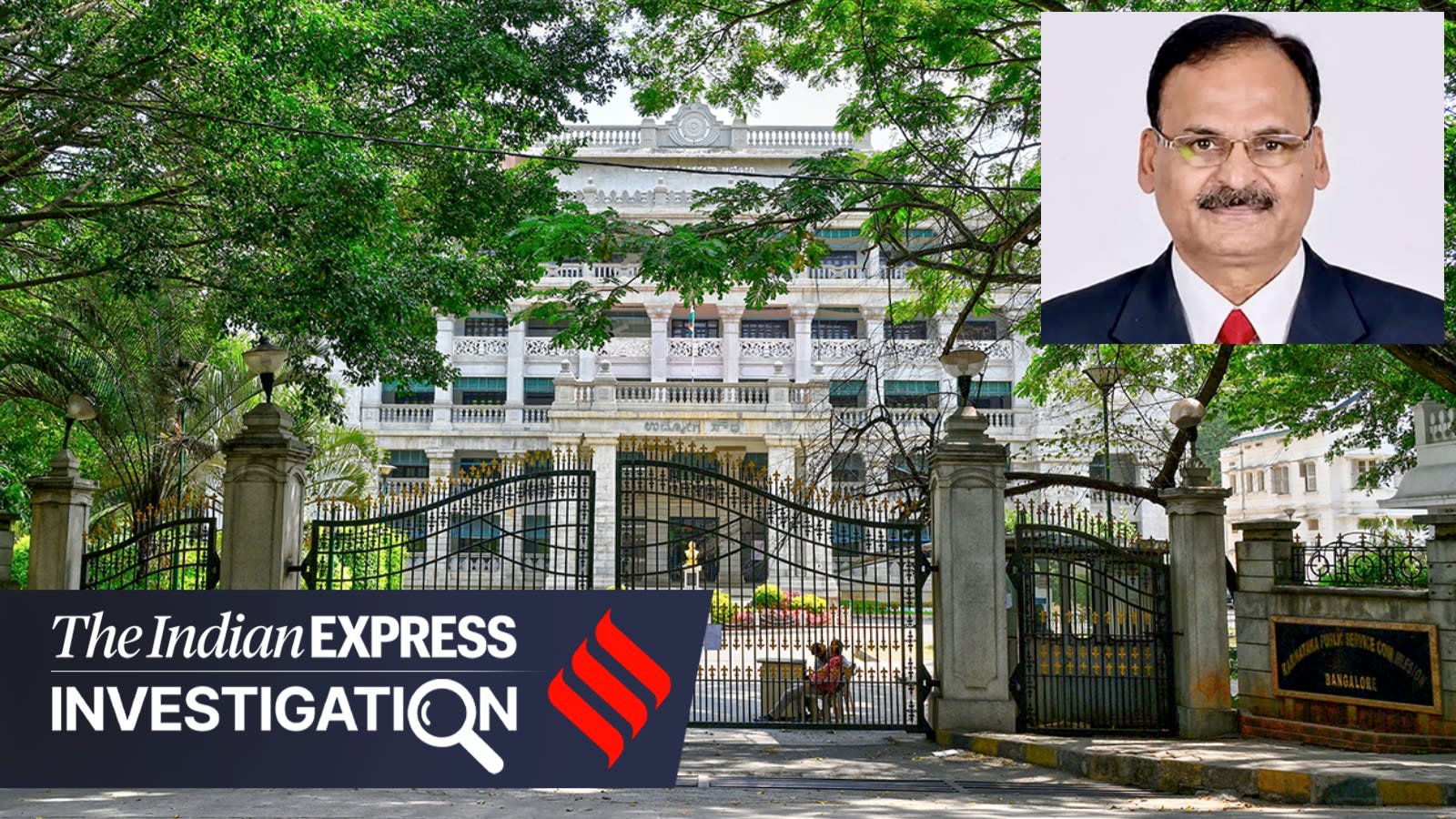
The ED has taken IAS officer Gyanendra Kumar Gangwar and intermediary Basavaraj Kannale into custody regarding a KPSC recruitment scam. The investigation involves allegations of paper leaks, bribery, and nepotism involving the commission's former chairman.
The KPSC Recruitment Crisis: A Deep Dive into Systemic Corruption
The Karnataka Public Service Commission (KPSC) has become the epicenter of a massive recruitment scandal that has shaken public confidence in the state's administrative integrity. The Enforcement Directorate (ED) has recently taken custody of IAS officer Gyanendra Kumar Gangwar and alleged intermediary Basavaraj Kannale to probe the financial dimensions of irregularities surrounding the recruitment of 400 veterinary doctors. This development follows initial investigations by the Karnataka Criminal Investigation Department (CID), which had already placed both individuals in judicial custody at Parappana Agrahara Central Prison.
The Mechanics of the Alleged Scam
Investigations by the CID have revealed a sophisticated network designed to bypass meritocracy. Allegations suggest that 11 out of 329 aspirants paid bribes ranging from Rs 35 lakh to Rs 80 lakh to Basavaraj Kannale to secure positions. As the KPSC exam controller, Gangwar allegedly played a pivotal role in the leakage of question papers, facilitating a "pay-to-play" scheme that undermined the competitive nature of the state government examinations. This intersection of bureaucratic power and external brokerage highlights a critical vulnerability in the recruitment process.
Leadership Under Scrutiny: The Chairman's Role
The scandal extends beyond the exam controller to the very top of the institution. KPSC chairman Shivashankarappa S Sahukar has been suspended following severe allegations of nepotism and corruption. The CID investigation has uncovered instances where the chairman’s own daughter, Suma Sahukar, was allegedly recruited into a state government post using falsified documentation. With the chairman’s anticipatory bail rejected, the narrative suggests a top-down failure of governance within the commission.
The Role of the Enforcement Directorate
While the CID focused on the criminal breach of trust and exam malpractice, the ED's intervention signifies a shift toward investigating the money laundering aspects of the scam. By taking custody of Gangwar and Kannale, the ED aims to trace the flow of illicit funds generated through these recruitment rackets. This dual-agency approach is essential in dismantling the financial incentives that fuel such systemic corruption in public recruitment bodies.
Broader Implications and Future Outlook
The fallout from these revelations poses a severe challenge to the credibility of the KPSC. The presence of fake income certificates and leaked papers suggests that these irregularities may have been entrenched over several recruitment cycles. Moving forward, the state government faces immense pressure to overhaul the commission’s internal oversight mechanisms. As the legal proceedings continue, the focus will remain on whether these arrests lead to a wider cleanup of the KPSC or if they are merely isolated incidents of accountability in a historically flawed system.
Multiple Citing Sources