‘Culture is in the heart’: Kriti Sanon breaks silence on Raksha Bandhan ad backlash
Source Entity
The Indian Express
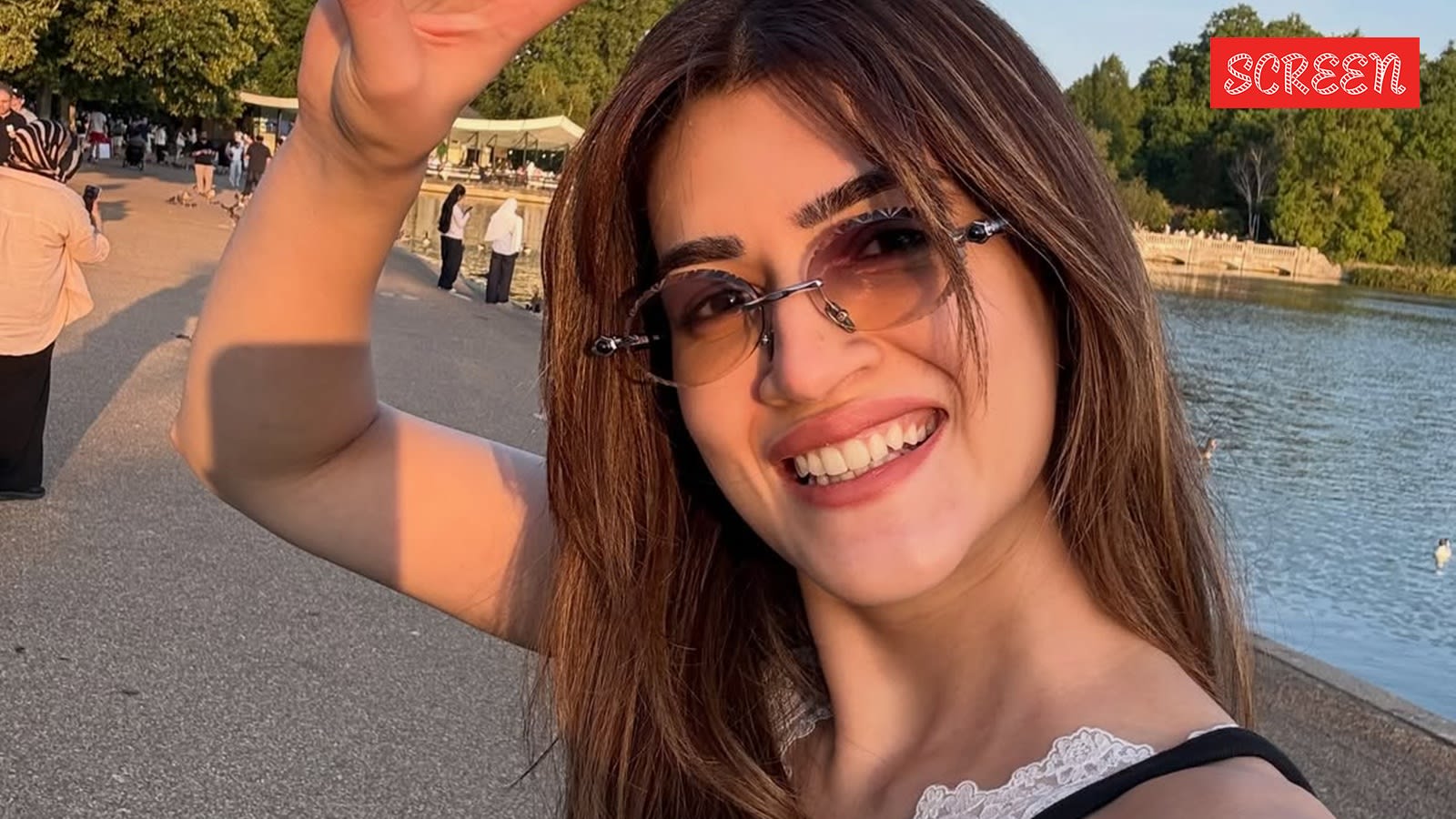
Actor Kriti Sanon and her sister Nupur have defended a recent jewellery advertisement against backlash regarding the actor's outfit. The controversy drew support from political figures like Rahul Gandhi, who emphasized a woman's right to personal choice.
The Intersection of Tradition and Modernity: Analyzing the Kriti Sanon Ad Controversy
The Catalyst for Conflict
Recent discourse in the Indian entertainment sphere has been dominated by a heated debate following a GIVA jewellery advertisement featuring actor Kriti Sanon. The advertisement, intended to celebrate the festival of Raksha Bandhan, drew significant ire from social media users who deemed her choice of attire—a bralette-style blouse paired with a cape and draped skirt—inappropriate for the traditional context of the festival. This reaction highlights a recurring tension in contemporary Indian culture: the expectation that public figures adhere to traditional sartorial standards during cultural observations.
Kriti Sanon’s Stance on Cultural Identity
Kriti Sanon responded to the criticism by challenging the prevailing mindset that equates cultural respect with clothing choices. Through a poignant statement on her social media, she argued that the essence of festivals lies in the emotional significance and traditions upheld, rather than the neckline of a garment. By asserting that "culture and traditions are in the heart," Sanon pushed back against the policing of women's bodies under the guise of cultural preservation, effectively shifting the narrative from one of 'inappropriateness' to one of personal agency.
Familial Solidarity and Public Support
The defense of Sanon was bolstered by her sister, Nupur Sanon, who directly addressed the critics. Nupur’s intervention was particularly significant as she is the primary recipient of the rakhi in their personal lives, effectively neutralizing the argument that the ad was insensitive to the spirit of the festival. Furthermore, the involvement of political figures, such as Congress leader Rahul Gandhi, elevated the discourse from a niche celebrity controversy to a broader conversation about bodily autonomy. Gandhi’s explicit support, stating that a woman's choices regarding her appearance are her own, underscored the political dimension of the debate.
The Wider Implications of Social Media Policing
This event serves as a microcosm of the intense scrutiny faced by women in the public eye. The backlash, which also included criticism regarding the inclusion of a pet dog in the advertisement, reflects a segment of society that demands strict adherence to specific traditional archetypes. When public figures deviate from these archetypes, the resulting 'moral policing' often manifests as widespread online harassment. The support Sanon received from both her family and political figures suggests a growing counter-narrative that prioritizes individual freedom over rigid societal expectations.
Predicting Trends in Celebrity Endorsements
Looking forward, this incident is likely to influence how brands approach festival-based marketing. As celebrities become more vocal about their autonomy, brands may feel pressured to navigate the fine line between modern fashion and traditional sensibilities more cautiously. However, it also signals a potential shift where celebrities feel empowered to refuse to conform to traditionalist pressures, potentially leading to more diverse and modern representations of Indian festivals in media. The debate is far from over, but the pushback from Sanon and her supporters sets a clear precedent for how future controversies of this nature may be handled.
Multiple Citing Sources