From military alliance to economic partnership: How Trump is redefining U.S.-South Korea ties
Source Entity
US Top News and Analysis
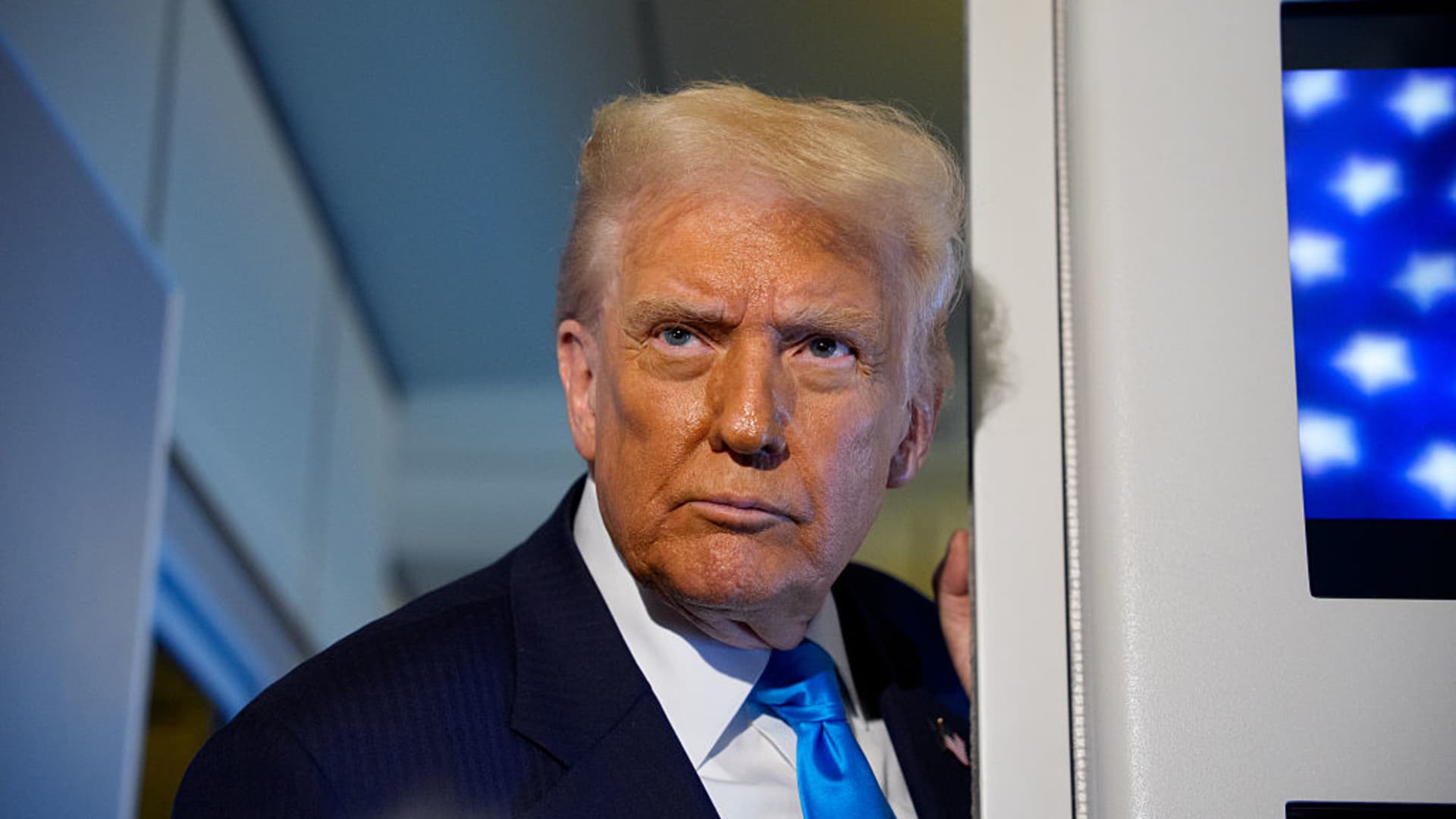
President Trump has moved to scale back joint military drills with South Korea, citing high costs and diplomatic tensions. This shift signals a broader transition in U.S.-South Korea relations from a security-focused alliance to an economic-led partnership tied to significant investment commitments.
The Strategic Pivot in U.S.-South Korea Relations
President Donald Trump’s recent directive to the Pentagon to reduce the frequency and scope of annual military exercises with South Korea marks a significant inflection point in the decades-old alliance. By characterizing these long-standing drills as both "costly" and "inappropriate" in the context of regional diplomacy with North Korea, the administration is signaling a departure from traditional security postures. This decision, announced while en route to South Korea on October 29, 2025, underscores a deliberate attempt to prioritize fiscal concerns and diplomatic optics over the traditional military readiness models that have defined the Korean Peninsula since the end of the Korean War.
Economics as the New Security Bedrock
The pivot is not merely a reduction in military activity but a fundamental restructuring of the bilateral relationship. Reports indicate that the scaling back of these drills coincides with Seoul finalizing massive investment commitments to the United States, totaling an estimated $350 billion. This suggests a transactional framework where economic integration and direct investment in the U.S. economy are becoming the primary levers of diplomatic negotiation, effectively replacing the traditional security-guarantee model that has historically anchored the U.S. presence in the region.
The Uncertainty of Investment-for-Security
Experts, including Darcie Draudt-Véjares of the Carnegie Endowment for International Peace, have expressed significant skepticism regarding this new paradigm. The central concern is whether the promise of massive capital inflows from South Korea will actually translate into the robust security commitments that both Washington and Seoul have traditionally relied upon. There is a growing fear that by decoupling military readiness from economic partnership, the U.S. may be creating a vacuum of security that could embolden regional adversaries while leaving South Korea’s long-term defense posture in a state of flux.
Implications for Regional Stability
The move to label military drills as "hostile" signals a potential shift in how the U.S. views North Korean provocation. By attempting to lower the temperature through the suspension of these exercises, the administration is betting that economic cooperation can serve as a sufficient deterrent against aggression. However, this strategy risks undermining the credibility of the U.S. nuclear umbrella and conventional deterrents that have prevented renewed conflict for over seven decades. The alignment of these drills with the stalled implementation of South Korean investments suggests that the White House is using the threat of diminished security support as leverage to accelerate economic outcomes.
Future Trends and Conclusion
Looking ahead, the U.S.-South Korea relationship is likely to be characterized by heightened volatility as both nations navigate this shift. If the expected $350 billion in investments fails to materialize or if the security environment deteriorates, the alliance may face its most significant test since its inception. The transition from a security-first alliance to an economic-partnership model represents a high-stakes gamble by the Trump administration, one that prioritizes immediate domestic economic benefits over the traditional, long-term strategic stability of the Indo-Pacific theater.