World News Today Live Updates: US announces new sanctions on Iran, warns Tehran trade partners
Source Entity
The Indian Express
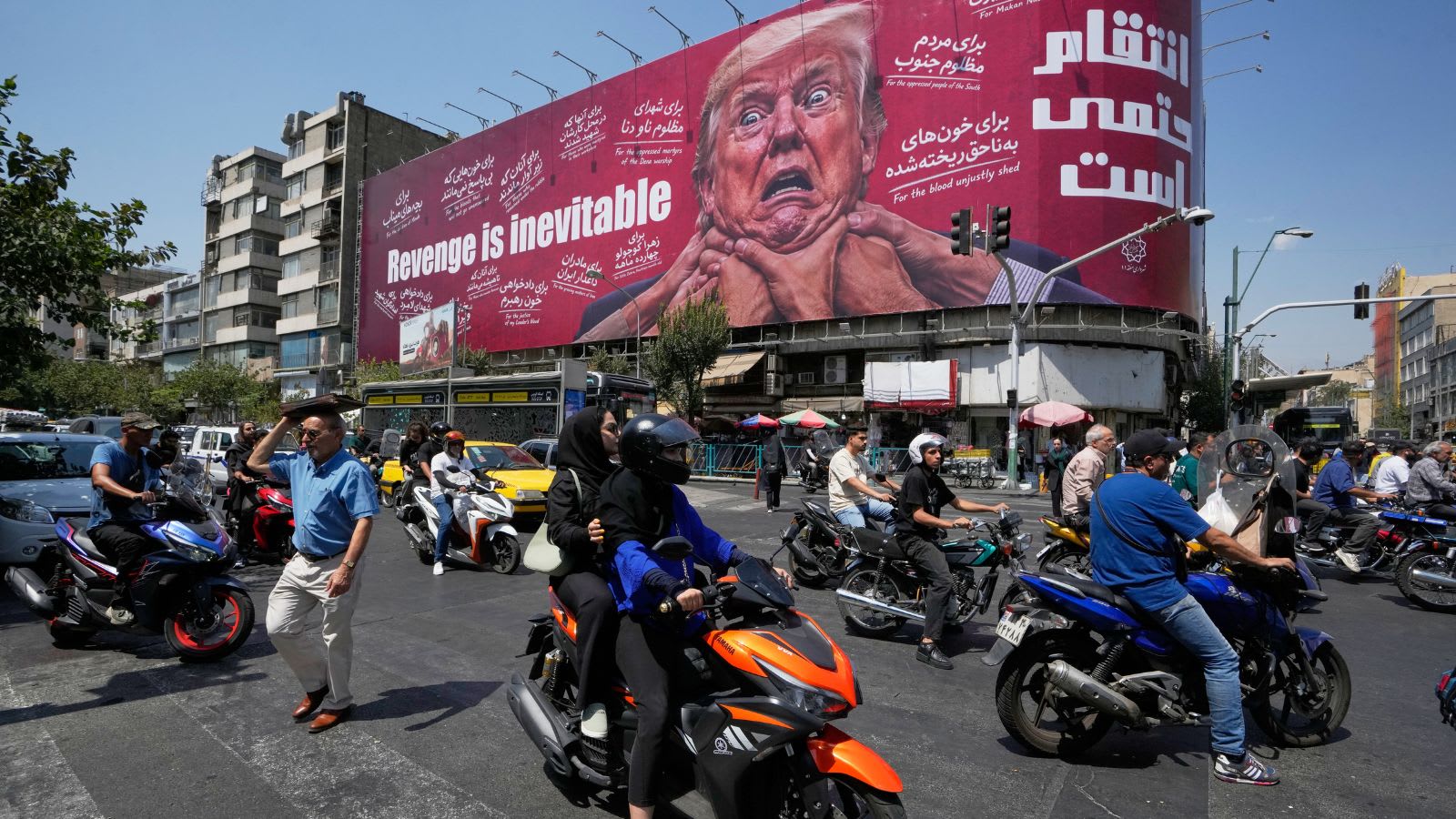
The U.S. has announced expanded sanctions on Iran, prompting retaliatory rhetoric from Tehran regarding regional oil security. Despite these geopolitical tensions, global financial markets remain resilient, focusing instead on corporate earnings.
Escalating Tensions: The New Phase of U.S.-Iran Sanctions
The geopolitical landscape has shifted once again as the United States, under the direction of Treasury Secretary Scott Bessent, announced a sweeping new round of sanctions aimed at isolating Iran’s financial infrastructure. This move represents a significant intensification of the "maximum pressure" campaign, intended to sever Tehran’s remaining financial lifelines. The atmosphere in Tehran remains volatile, underscored by visual reminders of the ongoing hostility, such as public displays depicting threats against U.S. leadership, signaling that the diplomatic path between the two nations remains severely obstructed.
The Strategic Backdrop of Economic Pressure
These sanctions come roughly six months after a period of direct kinetic engagement involving the U.S., Israel, and Iran. The current economic strategy, described by some as an "economic D-Day," seeks to leverage secondary sanctions to force international partners to choose between trading with Iran or maintaining access to the U.S. financial system. By compelling allies to sever ties, the administration aims to create a vacuum in Iran's economy, effectively testing the limits of Tehran’s resilience to prolonged fiscal isolation.
Tehran’s Defiant Posture and Regional Risks
Iran’s response to the Treasury’s announcement has been characteristically defiant. Officials in Tehran have issued stark warnings, suggesting that any nation aligning with these new U.S. measures could be viewed as a participant in an act of war. Most critically, the Iranian leadership has threatened to disrupt Gulf oil exports—a move that would have profound implications for global energy security and supply chain stability. This rhetoric highlights the precarious nature of the Strait of Hormuz, a vital maritime chokepoint that remains a central pillar of Iran's leverage against Western economic policies.
The Pentagon’s Stance and Military Readiness
While the current focus is on economic warfare, the Pentagon has explicitly maintained that all military options remain on the table. This dual-track approach—combining aggressive financial penalties with a credible threat of force—is designed to deter Iranian aggression. However, it also creates a high-stakes environment where miscalculation by either side could lead to a rapid transition from economic brinkmanship to direct military confrontation, particularly given the historical context of strikes occurring earlier this year.
Market Resilience and Future Outlook
Despite the gravity of these geopolitical developments, global financial markets have demonstrated a surprising degree of indifference. Investors, seemingly accustomed to the cyclic nature of U.S.-Iran tensions, have largely shrugged off the sanctions, focusing instead on broader macroeconomic indicators and major corporate earnings reports, such as those from Nvidia. This disconnect suggests that while the sanctions are significant from a policy perspective, the market currently views the risk of a full-scale regional conflict as manageable, or at least secondary to the immediate drivers of corporate profitability.
Conclusion: A Precarious Equilibrium
Ultimately, the situation remains a high-stakes standoff. The U.S. is betting that its economic dominance can force a change in Iranian behavior, while Tehran is counting on its ability to project power through regional threats and the resilience of its internal networks. As the Treasury Department continues to navigate the implementation of these measures, the world watches to see whether this "economic D-Day" will lead to a breakthrough in negotiations or a further descent into regional instability.
Multiple Citing Sources