Yamuna cleaning case: Delhi HC raps DDA over delay in replying
Source Entity
Latest News: Todays Latest News Headlines from India & World | Hindustan Times | Hindustan Times
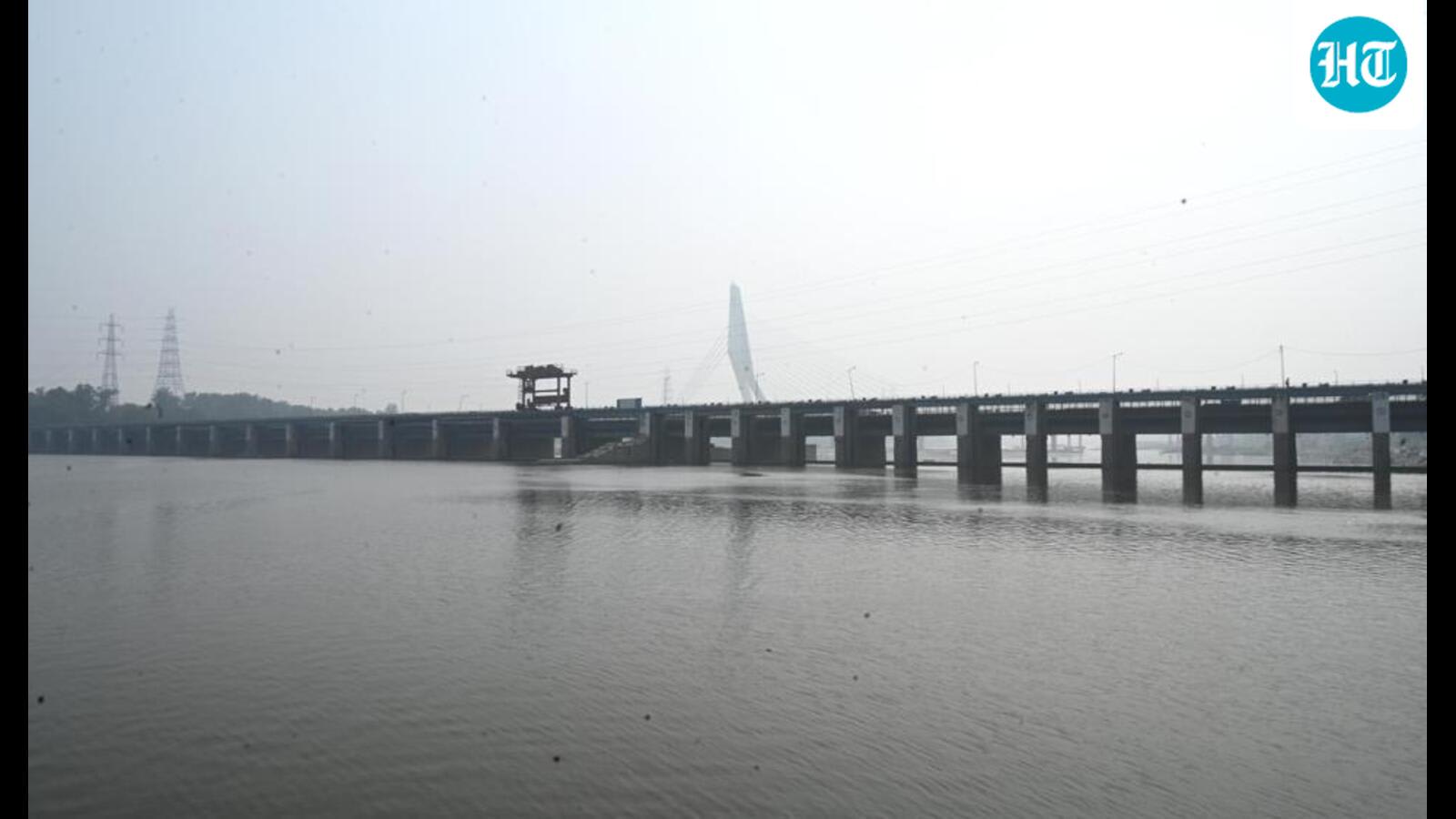
The Delhi High Court has criticized the DDA for stalling industrial plot redevelopment, which is vital for preventing sewage discharge into the Yamuna river. The court emphasized that this delay exacerbates water pollution and urban infrastructure issues.
Judicial Scrutiny on Yamuna Pollution Mitigation
The Delhi High Court recently issued a sharp reprimand to the Delhi Development Authority (DDA) regarding the administrative paralysis surrounding the redevelopment of industrial plots. This judicial intervention, led by a bench comprising Justices Prathiba M. Singh and Manmeet Pritam Singh Arora, highlights a growing frustration with bureaucratic inertia when dealing with critical environmental infrastructure. The court characterized the DDA’s failure to respond to requests for norm relaxation as a "complete stalemate," effectively halting progress on projects essential for the city’s ecological health.
The Nexus Between Urban Development and Ecology
At the heart of this legal battle is the direct correlation between industrial land use and the contamination of the Yamuna River. The court underscored that the redevelopment of these industrial zones is not merely a matter of urban planning, but an environmental imperative. Currently, the lack of modernized infrastructure in these areas facilitates the continuous discharge of untreated sewage into the Yamuna, further degrading the river's already precarious water quality.
Administrative Stagnation and Legal Accountability
This matter originated from a suo motu plea concerning the recurring issue of waterlogging in the Capital. By linking the broader issue of city-wide drainage and waterlogging to the specific failure of the DDA to process regulatory relaxations, the court is signaling a shift toward holistic environmental oversight. The delay in responding to requests for relaxed norms suggests a disconnect between the DDA’s administrative processes and the urgent mandate to clean the river.
Implications for Industrial Reform
For the industrial sector in Delhi, these norms serve as both a regulatory framework and a bottleneck. The court’s intervention suggests that current zoning and construction norms may be outdated or overly restrictive, preventing the necessary upgrades to sewage treatment and industrial waste management systems. Without the requested relaxations, property owners and developers remain trapped in a cycle of non-compliance, leaving the environment to bear the cost of the regulatory gridlock.
Future Trends in Environmental Governance
Moving forward, this case sets a significant precedent for how the judiciary may handle environmental negligence in urban planning. By actively monitoring the DDA’s responsiveness, the Delhi High Court is positioning itself as an arbiter of administrative efficiency in matters of public interest. If the DDA fails to expedite its decision-making, it is likely that the court will impose stricter timelines or mandate specific policy changes to ensure that the ecological goals of the Yamuna cleanup are not sidelined by bureaucratic process.
Concluding Outlook
The stalemate identified by the court is a microcosm of the challenges facing Delhi's environmental restoration efforts. While policies for river cleanup exist, their implementation is often stifled by inter-departmental delays. The success of the Yamuna rejuvenation project will depend heavily on whether agencies like the DDA can align their regulatory functions with the urgent environmental requirements of the city.
Verification Required?