Was Modern Art a CIA Psy-Op?
Source Entity
Hacker News
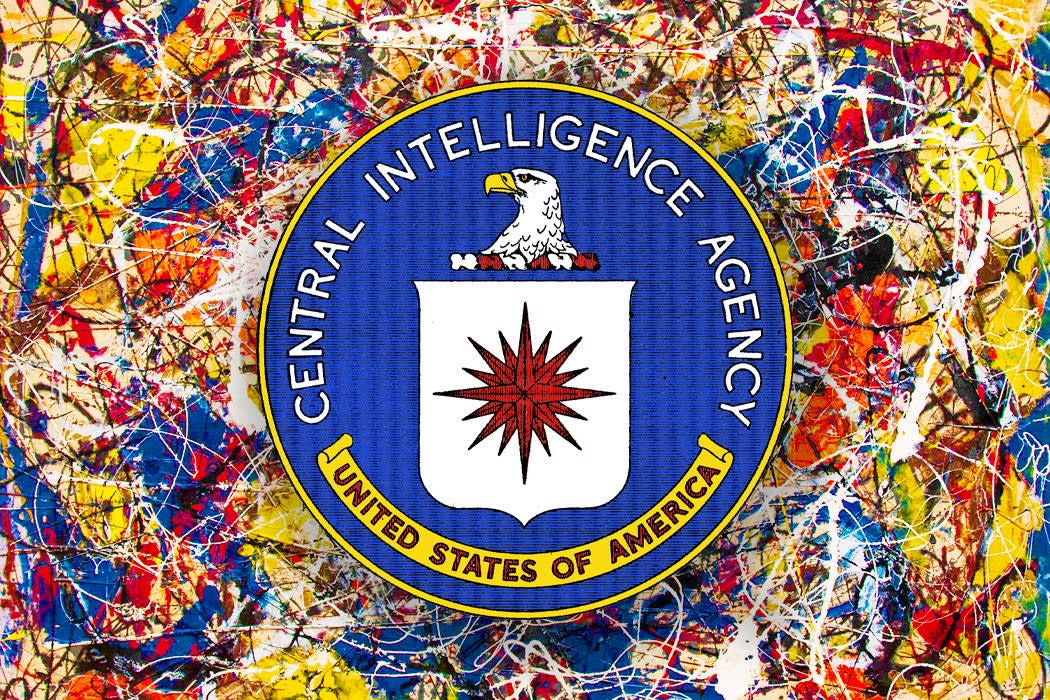
During the Cold War, the CIA and State Department utilized modern art as a strategic tool to promote American liberalism against Soviet and Nazi ideologies. This cultural diplomacy, led by figures like Thomas W. Braden, positioned abstract expressionism as a symbol of freedom on the global stage.
The Weaponization of Culture: Modern Art in the Cold War
In the mid-twentieth century, the global political landscape was defined by the binary struggle between Western liberalism and the restrictive ideologies of Nazi Germany and the Soviet Union. As the Cold War intensified, the United States recognized that the battle for global influence was not merely fought with military might or economic aid, but through the projection of cultural superiority. Modern art, characterized by its emphasis on individualism and creative risk, became a central pillar of this ideological campaign.
The Strategic Value of Abstract Expressionism
Modern art movements, particularly the gestural styles popularized by artists like Jackson Pollock, provided a stark visual contrast to the rigid, state-mandated realism favored by totalitarian regimes. By championing the abstract and the subjective, the United States sought to demonstrate that a free society fostered a level of artistic dynamism and personal liberty that was impossible under oppressive rule. This was not a passive observation; it was a deliberate strategy to frame American modernism as the aesthetic embodiment of democracy.
The Role of Thomas W. Braden
Central to this initiative was Thomas W. Braden, an influential figure who bridged the gap between the art world and the intelligence community. Having served as the executive secretary of the Museum of Modern Art (MoMA) from 1948 to 1949, Braden transitioned to the CIA in 1950 to oversee cultural activities. His involvement solidified the link between intelligence operations and the arts, proving that the U.S. government viewed cultural influence as a legitimate theater of operations for the CIA.
Institutional Support and Global Reach
Both the State Department and the CIA were instrumental in organizing and funding exhibitions of American art across the globe. By circulating these works internationally, the U.S. government aimed to project an image of a sophisticated, open, and intellectually adventurous nation. This program effectively turned galleries and exhibition halls into front lines of the Cold War, where the perceived creative freedom of the American artist served as a testament to the success of the liberal democratic model.
The Moral Complexity of Cultural Diplomacy
In his retrospective article for the Saturday Evening Post, titled “I’m glad the CIA is ‘immoral’,” Thomas W. Braden candidly addressed the ethical ambiguity of using cultural programs as intelligence tools. He argued that these efforts were essential, noting that American art had successfully garnered acclaim for the nation in ways that traditional diplomatic or military maneuvers could not. This admission highlights the pragmatic, if controversial, nature of American cultural policy during the mid-twentieth century.
Legacy and Future Implications
The legacy of this era remains a subject of intense study, as it forces a re-evaluation of the relationship between artistic autonomy and state sponsorship. While the CIA’s involvement was a product of a specific historical moment, it established a precedent for how nations utilize cultural soft power to advance geopolitical interests. The history of modern art as a 'psy-op' serves as a reminder that the perception of culture is rarely independent of the political currents that shape the world.