Kumkis to be deployed to reduce elephant-human conflict in Manyam
Source Entity
India Latest News: Top National Headlines Today & Breaking News | The Hindu
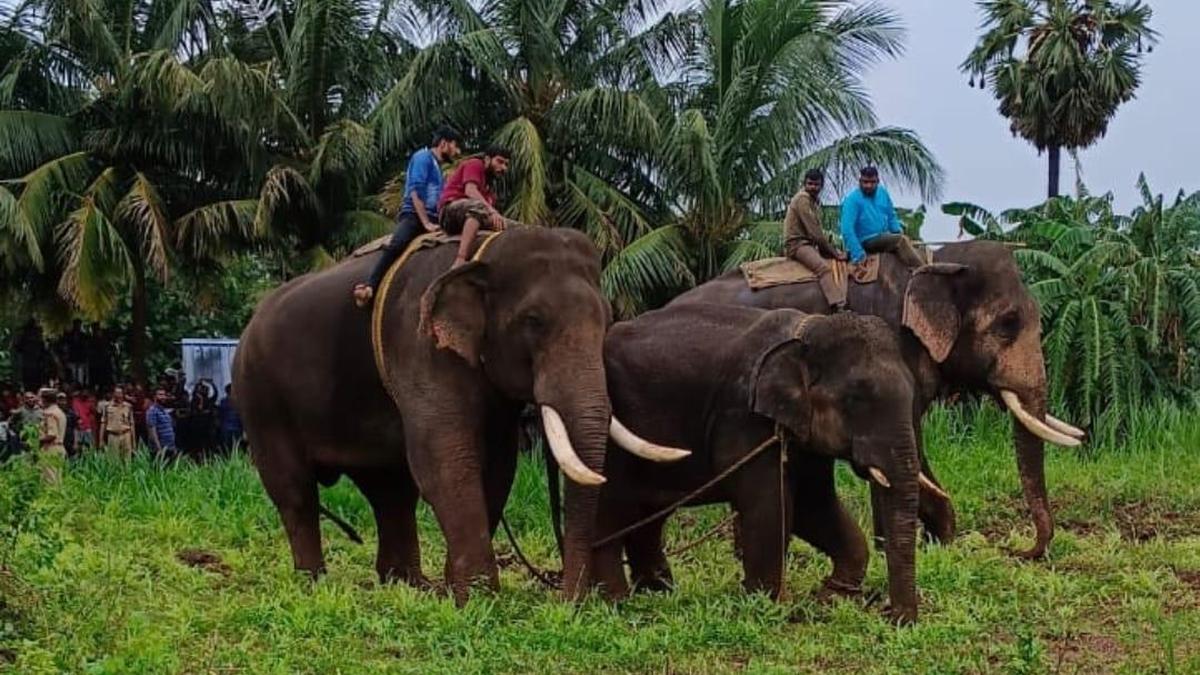
The Andhra Pradesh Forest Department is deploying two trained 'Kumki' elephants, Jayanth and Abhimanyu, to the Parvathipuram-Manyam district. This initiative aims to mitigate human-elephant conflict and protect local crops and communities near the Odisha border.
Strategic Deployment of Kumki Elephants in Parvathipuram-Manyam
The Andhra Pradesh Forest Department has initiated a critical intervention to address the escalating human-elephant conflict along the state's border with Odisha. By deploying two specialized 'Kumki' elephants, Jayanth and Abhimanyu, to the Parvathipuram-Manyam district, authorities aim to provide immediate relief to rural communities that have long suffered from the encroachment of wild elephant herds. These wild animals frequently cross into the region, resulting in significant agricultural damage and posing direct threats to the safety of local residents.
Understanding the Role of Kumki Elephants
Kumki elephants are essentially trained captive elephants used by forest departments to manage, guide, or drive away wild counterparts. The selection of Jayanth, who received specialized training at the Nanniyal camp, and Abhimanyu, a seasoned elephant previously sourced from Karnataka, underscores the department's commitment to utilizing experienced animals. With a track record of success in at least six major operations, these elephants serve as a vital tool in the state's wildlife management arsenal.
Operational Logistics and Oversight
This operation is being executed under the direct guidance of Deputy Chief Minister and Minister for Forests and Environment, K. Pawan Kalyan. The logistical process involves relocating these animals from their current bases at the Palamaner camp and the Musalimadugu camp to the Guchchimi camp in the target district. This strategic positioning ensures that the Kumkis are stationed in close proximity to the conflict zones, allowing for a rapid response when wild herds are detected near human settlements.
Addressing the Human-Wildlife Interface
The conflict between humans and elephants in the Parvathipuram-Manyam region is a complex byproduct of fragmented habitats and migratory patterns. As elephants navigate corridors that straddle the Odisha-Andhra Pradesh border, they often find themselves in conflict with expanding human agricultural footprints. By utilizing Kumkis, the Forest Department is opting for a non-lethal, traditional method of deterrence that leverages the natural behavior of elephants to maintain order without causing long-term harm to the wild herds.
Broader Implications and Future Trends
The reliance on trained elephants signals a shift toward proactive wildlife management in Andhra Pradesh. If this deployment successfully reduces crop loss and ensures community safety, it could serve as a blueprint for other districts facing similar pressures. Furthermore, this initiative highlights the necessity of inter-state cooperation in wildlife management, given that elephant migration does not adhere to administrative boundaries. Future efforts will likely need to balance these immediate tactical deployments with long-term habitat restoration and the management of migratory corridors to ensure a sustainable coexistence between humans and wildlife.
Verification Required?