Kylian Mbappe apologises after Mao Zedong ‘dictator’ remark sparks backlash
Source Entity
Latest News: Todays Latest News Headlines from India & World | Hindustan Times | Hindustan Times
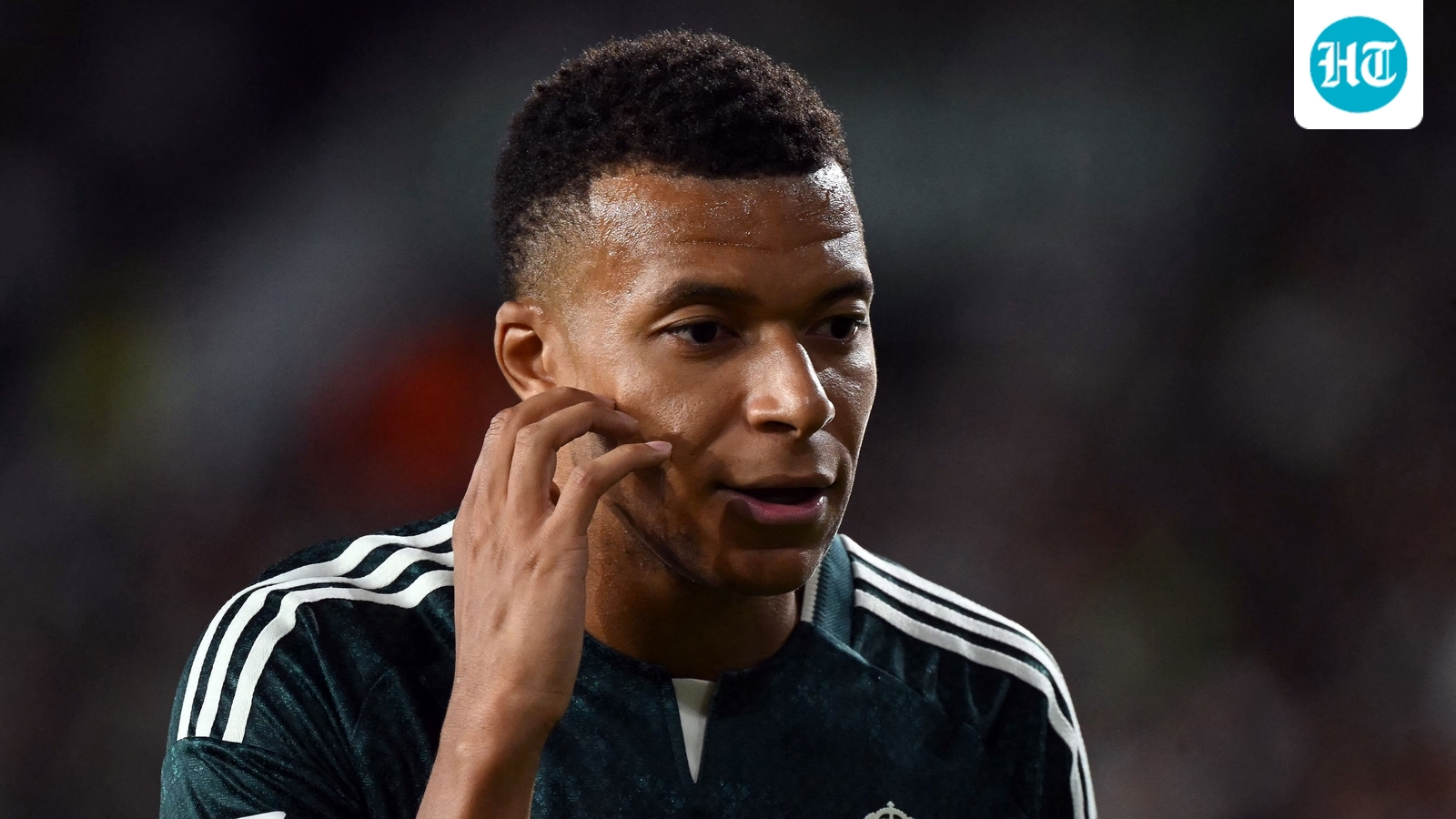
Kylian Mbappé has issued a formal apology after referring to Mao Zedong as a dictator, triggering a severe backlash in China. The incident has resulted in multiple Chinese brands terminating endorsement deals with the soccer star.
The Intersection of Celebrity, Politics, and Global Branding
Kylian Mbappé, one of the most recognizable faces in global football, has recently found himself at the center of a significant geopolitical and corporate controversy. The fallout began when comments attributed to the French forward—in which he allegedly referred to his 'favorite meme' as one depicting him as a 'Chinese dictator'—surfaced, sparking immediate and intense outrage across China. This incident highlights the volatile nature of celebrity endorsements when they collide with deeply held nationalistic sentiments and the complex political landscape of major markets.
The Anatomy of the Backlash
The reaction was swift and multifaceted. Chinese football forum Dongqiudi took a leading role in highlighting the comments, labeling them 'inappropriate' and refusing to translate them, citing the hurt caused to the Chinese public. The situation escalated rapidly as the Chinese Ministry of Foreign Affairs, through spokesperson Lin Jian, issued a warning, stating that words hurting the 'feelings of the Chinese people' would inevitably face opposition from all sectors of society. This state-level acknowledgment elevated the controversy from a mere public relations gaffe to a significant diplomatic and commercial crisis.
Commercial Consequences and Brand Risk
For an athlete whose commercial footprint spans subway stations and elevators across China, the economic impact is immediate. At least three major Chinese companies have already terminated their brand deals with Mbappé. In the modern era of global sports marketing, athletes serve as conduits for corporate identity. When an athlete’s personal remarks are perceived as an affront to a nation's history or leadership, companies act quickly to insulate themselves from the 'cancel culture' that often follows such controversies, prioritizing market stability over individual talent.
The Necessity of the Apology
Facing this mounting pressure, Mbappé issued a formal statement on Tuesday. By characterizing his remarks as 'ill-judged' and explicitly acknowledging the hurt caused to the Chinese people, Mbappé attempted to perform damage control. His apology serves as a strategic move to preserve his remaining commercial interests and repair his damaged reputation within one of the world's largest consumer markets. Whether this will be sufficient to reverse the tide of cancelled contracts remains to be seen, as the threshold for forgiveness in the face of perceived political disrespect is often high.
Historical Context and Future Trends
This incident is not an isolated case but rather part of a broader trend where international celebrities face intense scrutiny over their commentary on China's political history. Mao Zedong remains a foundational and sensitive figure in Chinese history, and any perceived mockery of the state's leadership is treated with extreme seriousness. Moving forward, this event underscores the necessity for global sports stars and their management teams to possess a sophisticated understanding of the cultural and political nuances of the regions where they hold lucrative endorsement contracts. The 'Mbappé case' will likely serve as a cautionary tale for the sports industry regarding the risks of off-the-cuff remarks in an interconnected global digital economy.
Verification Required?