Real Madrid apologizes for Kylian Mbappe’s controversial Mao Zedong comment
Source Entity
The Indian Express
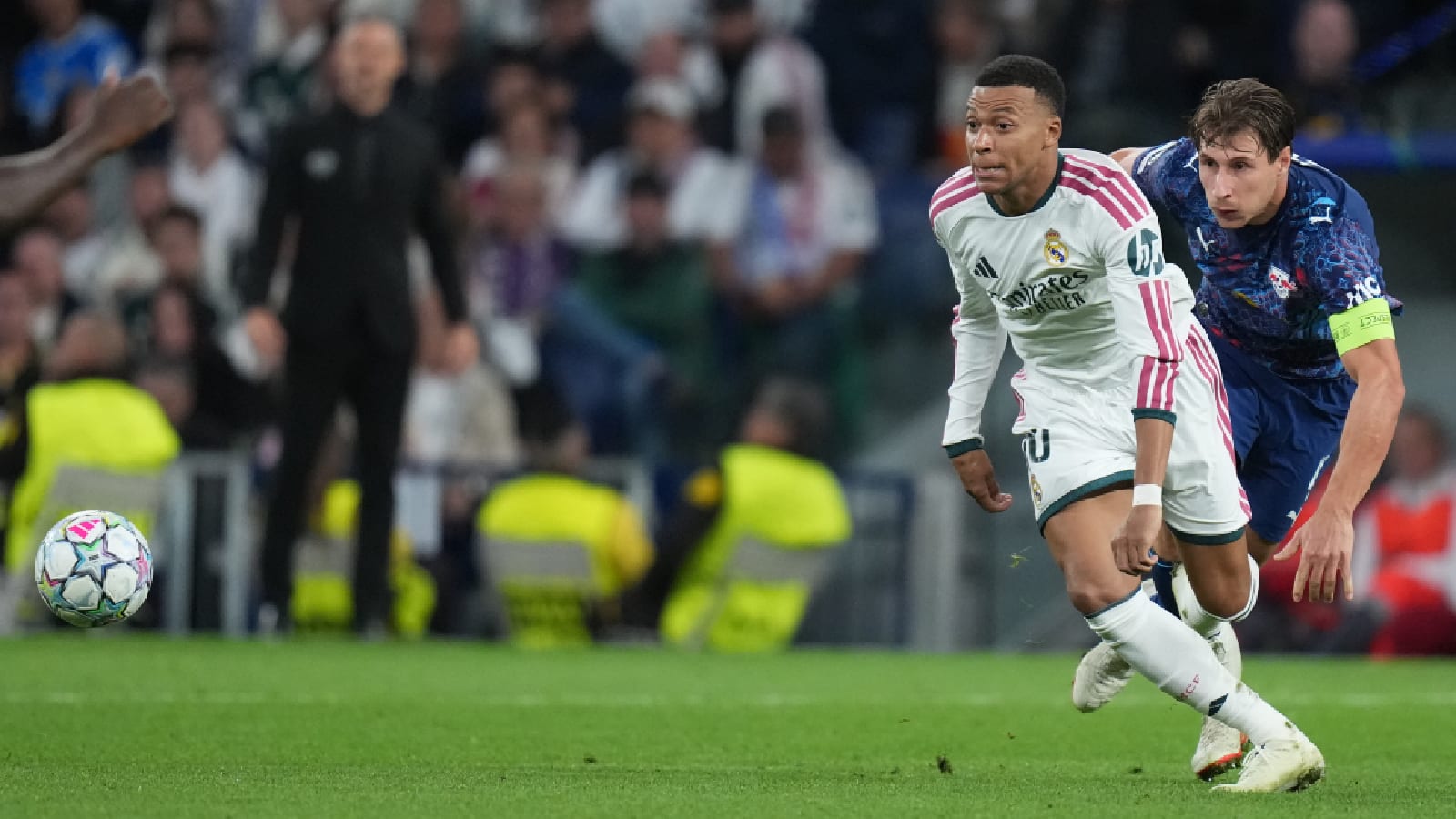
Kylian Mbappé faces significant commercial and broadcasting fallout in China after labeling Mao Zedong a dictator during a viral video. Both the player and Real Madrid have issued apologies as major Chinese sponsors terminated their contracts.
The Geopolitical Cost of Public Commentary
The recent controversy surrounding French football star Kylian Mbappé highlights the volatile intersection of global sports, personal branding, and political sensitivity in the Chinese market. The incident, triggered by a viral video in which Mbappé appeared to label China’s founding leader, Mao Zedong, as a dictator, has spiraled into a significant diplomatic and commercial crisis. By engaging with a meme that touched upon one of the most sensitive historical figures in China, Mbappé has inadvertently tested the boundaries of international celebrity conduct within the Chinese cultural sphere.
Commercial Fallout and Corporate Alignment
The immediate economic impact on the Real Madrid forward has been severe. Major Chinese corporate entities, including beverage maker Dongpeng, dairy giant Mengniu, and cheese producer Milkground, acted swiftly to terminate their partnerships with the player. These companies cited a need to protect "national sentiment," a common refrain in Chinese corporate governance when dealing with public figures who cross political red lines. This mass exodus of sponsors illustrates the fragility of international endorsement deals when they collide with deeply held domestic values, effectively stripping Mbappé of his market footprint in the world's second-largest economy almost overnight.
The Role of State Media and Broadcasting Sanctions
The situation escalated beyond the corporate sector when state broadcaster CCTV intervened, suspending La Liga broadcasts that feature the French striker. This move serves as a powerful instrument of public pressure, signaling that the state views the incident not merely as a private mistake by an individual athlete, but as an affront that requires institutional rectification. The warning issued by CCTV—that Mbappé’s apology will be measured by his future actions—establishes a conditional environment for his potential rehabilitation in the eyes of the Chinese public and state regulators.
Institutional Responses and Apologies
Recognizing the gravity of the situation, both Mbappé and his club, Real Madrid, have issued formal apologies. Mbappé characterized his comments as "ill-judged," attempting to pivot away from the political implications of his remarks. Real Madrid’s decision to issue a follow-up statement underscores the collective responsibility that top-tier European clubs now face when their marquee players become embroiled in geopolitical disputes. For the club, this is a matter of protecting its global brand equity and ensuring that lucrative broadcast rights and commercial interests in Asia remain intact.
Historical Context and Future Implications
This incident is part of a broader, recurring pattern where global brands and celebrities face "cancel culture" in China for comments deemed offensive to national dignity. Historically, companies and individuals who fail to navigate these sensitivities often find themselves excluded from the Chinese market for extended periods. The demand for an apology is rarely the end of the process; rather, it is the beginning of a period of intense scrutiny. Moving forward, this case will likely serve as a cautionary tale for sports agencies and athletes, forcing them to adopt more rigorous vetting processes for public appearances and social media interactions to avoid similar alienations of the Chinese market.
Conclusion
Ultimately, the Kylian Mbappé controversy serves as a stark reminder that the global reach of modern sports comes with the burden of navigating complex political landscapes. While the player and his club have attempted to de-escalate the situation through formal apologies, the long-term impact on his commercial viability in China remains uncertain. The "wait and see" approach adopted by Chinese state media suggests that for international icons, the cost of a single ill-judged comment can be the loss of access to one of the most important markets in the world.
Multiple Citing Sources