Labrador could not walk on Britain’s highest mountain after eating this
Source Entity
TOI WORLD DESK
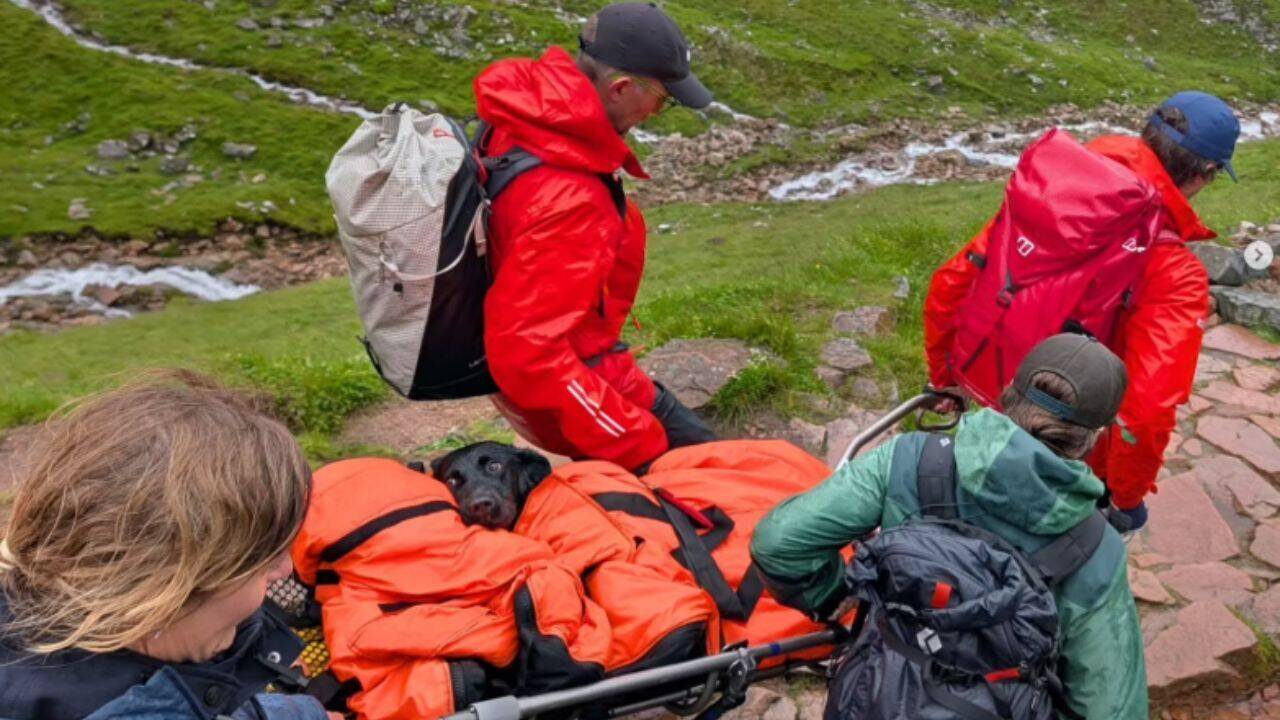
A black Labrador named Tokyo recovered after collapsing on Ben Nevis, Scotland, due to suspected cannabis ingestion. Rescued by the Lochaber Mountain Rescue Team, the incident serves as a warning to pet owners about the dangers of discarded substances on hiking trails.
A Perilous Ascent: The Case of Tokyo on Ben Nevis
The incident involving Tokyo, a black Labrador, serves as a stark reminder of the unpredictable dangers that can accompany outdoor adventures, even for the most seasoned hikers. Ben Nevis, the highest mountain in the British Isles, is a destination for thousands of enthusiasts annually, but it also presents significant environmental and physical challenges. The sudden collapse of a healthy dog during such an ascent is a critical event that highlights the vulnerability of pets to environmental toxins, specifically discarded illegal substances.
The Physiology of Canine Cannabis Toxicity
From a veterinary perspective, the suspected ingestion of cannabis by Tokyo explains the sudden loss of motor function. Dogs possess a higher density of cannabinoid receptors in their brains compared to humans, making them significantly more sensitive to THC (tetrahydrocannabinol). When a dog ingests cannabis, they often experience ataxia—a lack of muscle coordination—which manifests as stumbling, disorientation, and in severe cases, a complete inability to walk. This physiological reaction explains why Tokyo collapsed on the slopes of Ben Nevis, transforming a leisure hike into a life-threatening medical emergency.
The Logistics of High-Altitude Rescue
The involvement of the Lochaber Mountain Rescue Team underscores the complexity of the situation. Rescuing an immobile animal from the rugged terrain of the Scottish Highlands is no simple feat. Mountain rescue operations typically prioritize human life, but the compassion and professionalism shown in assisting Tokyo demonstrate the holistic approach to safety in the wilderness. The logistical challenge of transporting a large breed like a Labrador down steep, rocky inclines requires specialized equipment and careful coordination to ensure that neither the animal nor the rescuers are injured during the descent.
The Environmental Crisis of Trail Littering
This event brings to light a disturbing trend of littering and the illegal disposal of drugs within national parks and protected wilderness areas. The fact that cannabis was discarded on a popular hiking trail suggests a lack of respect for the environment and a disregard for the safety of wildlife and domestic pets. This "hidden hazard" is particularly dangerous because substances like cannabis or prescription medications may not be immediately recognizable to a pet owner, yet they are irresistible to dogs who explore the world through scent and taste.
The Rise of the 'Adventure Dog' Trend
In recent years, there has been a significant increase in the 'adventure dog' trend, where pet owners take their animals on extreme hikes, mountaineering trips, and long-distance treks. While this strengthens the bond between owner and pet, it also exposes animals to risks they are not evolutionary equipped to handle. The case of Tokyo suggests a need for greater education among pet owners regarding 'wilderness first aid' for animals, including the recognition of toxicity symptoms and the importance of keeping pets on short leads in areas prone to littering.
Future Implications for Public Safety
Moving forward, this incident may prompt local authorities and park rangers to increase signage and patrols to discourage the disposal of narcotics on public trails. There is a clear need for public awareness campaigns that link environmental cleanliness with animal safety. As more people flock to the Highlands, the intersection of human negligence (littering) and animal curiosity creates a recurring risk that can only be mitigated through stricter enforcement of anti-littering laws and proactive pet ownership.
Conclusion: A Lesson in Vigilance
Fortunately, Tokyo's story ends with a full recovery thanks to the swift intervention of the Lochaber Mountain Rescue Team and subsequent veterinary care. However, the incident remains a cautionary tale. It emphasizes that the beauty of the natural world can coexist with man-made dangers. For pet owners, the primary takeaway is one of extreme vigilance: the environment is not always as pristine as it looks, and a moment of curiosity can lead to a critical emergency.