‘In recorded history, Ladakh was never a part of China’: Ladakh leaders reject China’s recent statement
Source Entity
India Latest News: Top National Headlines Today & Breaking News | The Hindu
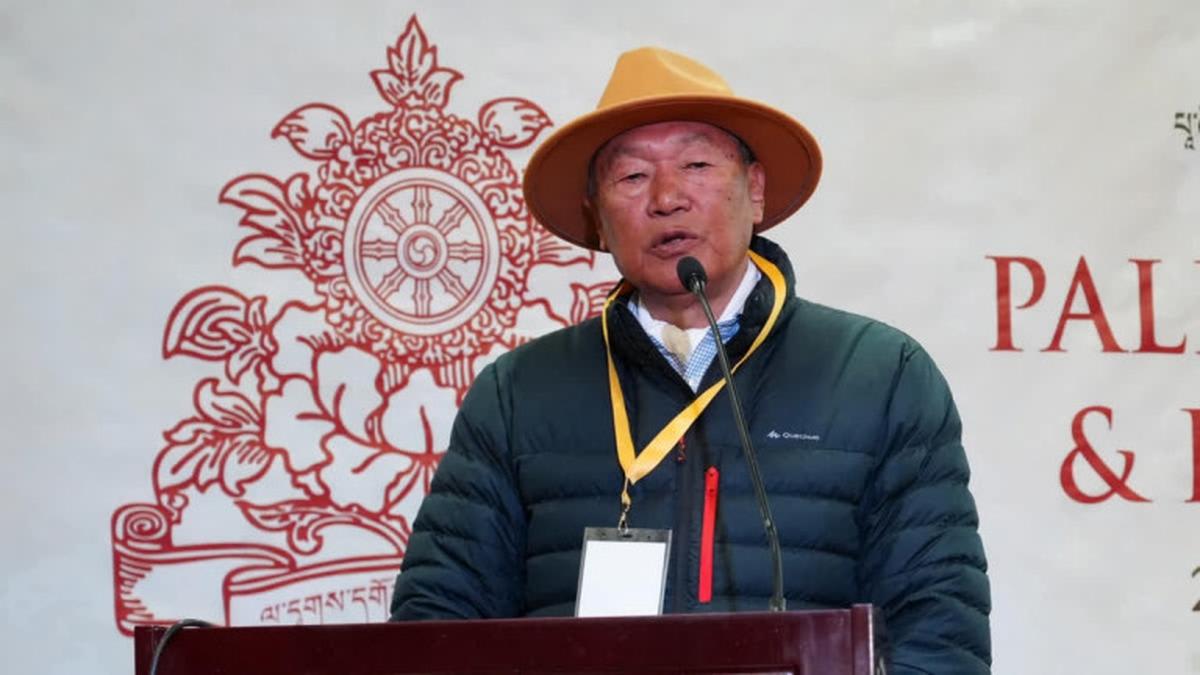
Ladakh leaders have strongly rejected China’s recent claims over the region, asserting that Ladakh has historically never been part of China. Local representatives have demanded a firm response from the Indian government while reaffirming the territory's status as an integral part of India.
Ladakh Rejects Chinese Sovereignty Claims
In a significant geopolitical development, the Leh Apex Body (LAB) has issued a stern rebuttal against recent statements from the Chinese Foreign Ministry regarding the territorial status of Ladakh. Co-chairman Chering Dorjay Lakrook, representing the collective voice of the region’s leadership, issued a formal condemnation on October 15, 2026, characterizing China's assertions as both inaccurate and provocative. The tension stems from Beijing's claim that it has never recognized Ladakh as part of India, a statement that has prompted an immediate and unified pushback from Ladakh’s civil society and political leadership.
Historical Context and Territorial Integrity
At the heart of this dispute is the historical and cultural identity of Ladakh. Mr. Lakrook, who also serves as the head of the Ladakh Buddhist Association (LBA), emphasized that in all recorded history, Ladakh has never functioned as a territory under Chinese jurisdiction. This rejection of China’s narrative is rooted in a desire to protect the regional integrity of the Union Territory. By explicitly citing the historical record, Ladakh’s leaders are attempting to dismantle the legitimacy of China's expansionist rhetoric, which often relies on ambiguous historical claims to justify territorial encroachment.
The Status of Aksai Chin
Beyond the immediate rejection of China’s claims on Western Ladakh, the leadership has pivoted to the contentious issue of Aksai Chin. Currently under the illegal occupation of China, Aksai Chin remains a critical point of friction in Sino-Indian relations. Mr. Lakrook’s assertion that the people of Ladakh will "not give up an inch" of this territory signals a hardening of local sentiment. This stance reflects a broader consensus among the Ladakhi population, who view the recovery of these lands as an essential component of their national identity and security.
Local Political Mobilization
Prominent local figures, including former Chushul councillor Konchok Stanzin, have echoed these sentiments, reinforcing the narrative that Ladakh is an integral, non-negotiable part of India. The involvement of grassroots leaders like Mr. Stanzin highlights the deep connection between the local population and the Indian state. By publicly aligning with the national position, these leaders are not only countering external propaganda but also consolidating internal support for the Indian government's defense of the border.
Broader Geopolitical Implications
This incident underscores the ongoing volatility in the Himalayan border regions. The demand for the Government of India to issue a strong, formal condemnation of China’s remarks suggests that the local leadership expects a more robust diplomatic response. As tensions persist, the role of local stakeholders in shaping the national security discourse becomes increasingly vital. The rejection of Beijing's claims by the people of Ladakh serves as a powerful diplomatic tool for India, providing a clear, localized counter-narrative to China’s attempts to alter the status quo.
Future Trends and Security Outlook
Looking ahead, it is likely that the rhetoric regarding the India-China border will continue to be a primary driver of regional instability. The firm stance taken by the Leh Apex Body indicates that future negotiations or border standoffs will be met with vocal opposition from the local populace. The expectation is that the Indian government will maintain its current trajectory of supporting the territorial integrity of Ladakh, ensuring that local sentiments are reflected in its broader foreign policy objectives. The situation remains a litmus test for the resilience of India's border regions in the face of continued external pressure.
Verification Required?