Rani Abbakka Chowta: the Warrior Queen of the Seas
Source Entity
India Latest News: Top National Headlines Today & Breaking News | The Hindu
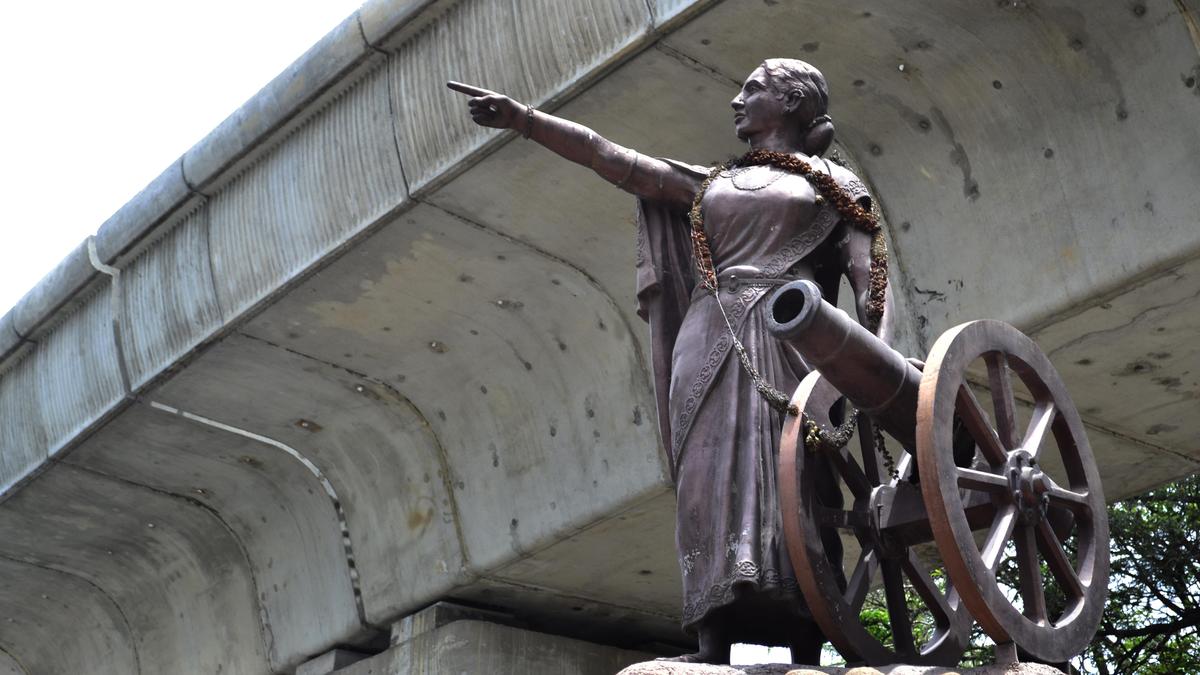
Rani Abbakka Chowta was a 16th-century warrior queen from Ullal, Karnataka, who famously defended her prosperous coastal kingdom against foreign invaders. Her legacy is deeply rooted in the matrilineal traditions of the Tuluva community and her fierce resistance during the early colonial era.
The Legacy of Rani Abbakka Chowta: A Forgotten Sentinel
Rani Abbakka Chowta stands as a testament to the fierce resistance against early colonial encroachment in 16th-century India. Ruling over the coastal kingdom of Ullal, near modern-day Mangaluru in Karnataka, she operated from a position of strategic importance. As the ruler of a prosperous port city, she navigated the complexities of international trade routes across the Arabian Sea, making her kingdom a target for foreign powers seeking control over maritime commerce.
Matrilineal Roots and Cultural Context
Unlike many of her contemporaries, Abbakka belonged to the Tuluva community, which adhered to a matrilineal tradition. In this social structure, inheritance and authority flowed through the female line, granting women significant agency in both private and public spheres. This cultural backdrop explains why she held supreme authority, providing a foundation for her independence as a ruler. Her decision to return to Ullal after her marriage to Lakshmappa Arasa of the Banga kingdom further underscores her commitment to her own sovereignty and her role as the primary protector of her people.
The Strategic Importance of Ullal
Ullal’s geography was both its greatest asset and its primary vulnerability. Being a bustling port, it was a gateway for trade, which inevitably attracted the attention of foreign fleets sailing the Arabian Sea. Abbakka’s reign was defined by her unwavering refusal to submit to external pressures, choosing instead to arm her defenses and protect the integrity of her borders. Her resistance was not merely a local scuffle but a significant early effort to maintain regional autonomy against the encroaching influence of foreign powers.
Historical Erasure and Reclamation
Despite her pivotal role in early Indian resistance, Rani Abbakka Chowta has often been sidelined in mainstream historical narratives. While later figures of the freedom struggle frequently dominate the conversation, the story of the 'Warrior Queen of the Seas' serves as a crucial reminder of the long-standing tradition of anti-colonial struggle in the Indian subcontinent. Reclaiming her narrative is essential for a complete understanding of India’s past, particularly the role played by regional kingdoms in defending the coastline.
Broader Implications and Future Recognition
Analyzing the life of Rani Abbakka highlights the necessity of localized historical study. By focusing on the administrative and military capabilities of the Tuluva rulers, historians can gain better insights into how coastal kingdoms managed external threats. As we look toward future educational trends, the inclusion of figures like Abbakka ensures that the history of India is not monolithic but a rich tapestry of diverse regional leadership and resistance. Her story remains a beacon of female empowerment and patriotic duty, deserving of its place at the forefront of national history.
Verification Required?