‘Nobody sees our hard work’: Meet the people behind India’s colourful kite culture
Source Entity
Vaibhavi Mishra
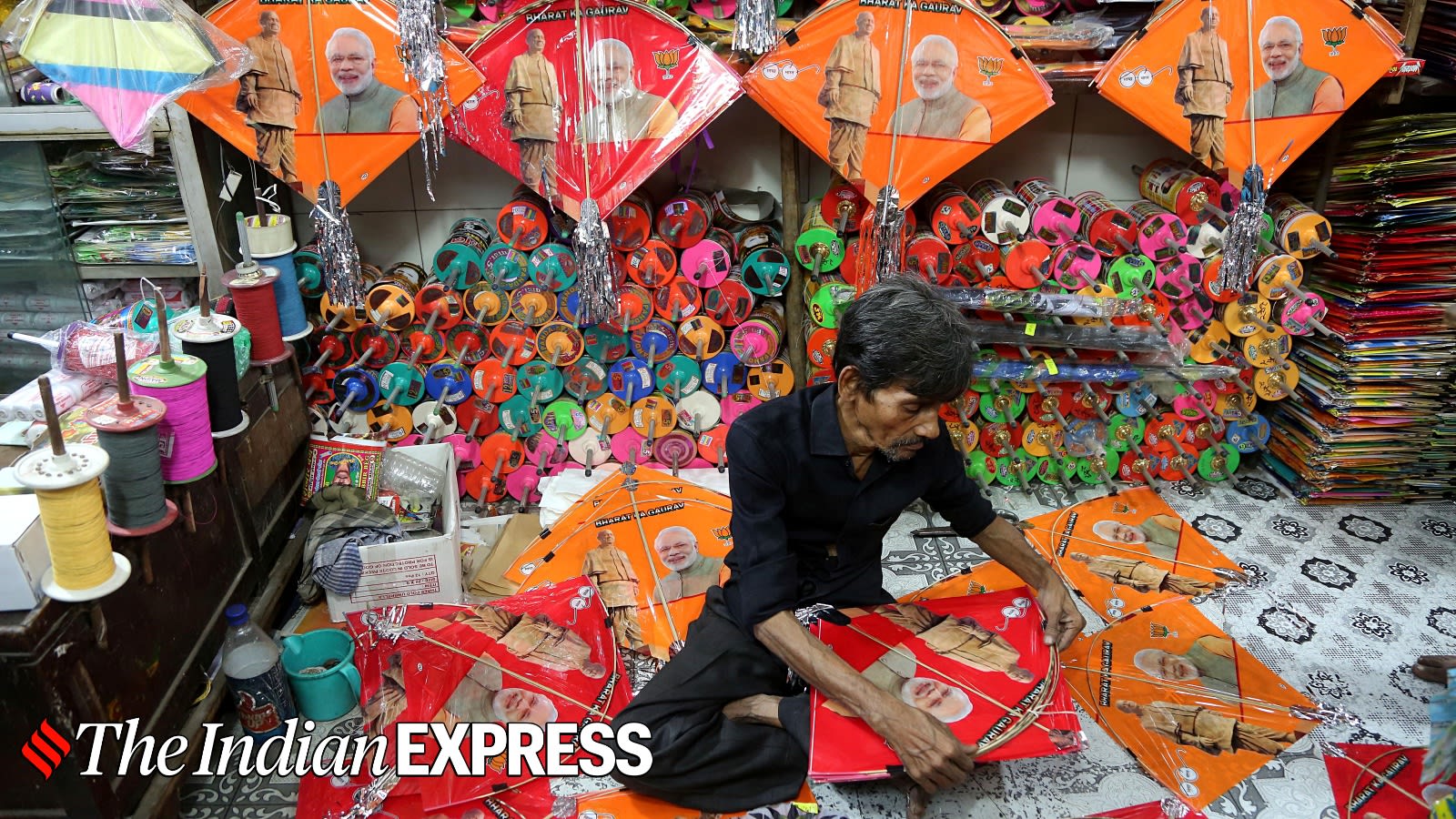
Lal Kuan in Old Delhi transforms into a vibrant wholesale kite market ahead of Independence Day. The market now features a blend of traditional craftsmanship and modern pop culture trends, reflecting the evolving nature of this festive tradition.
The Vibrant Transformation of Lal Kuan
As India approaches its Independence Day, the bustling streets of Old Delhi undergo a remarkable metamorphosis. The path from Chawri Bazar Metro station to Lal Kuan Bazaar Road, typically defined by the chaotic hum of e-rickshaws and dense urban traffic, becomes a kaleidoscope of color. During this specific season, the market sheds its utilitarian skin to become one of the nation’s largest wholesale hubs for kites and saddis (cotton thread), marking a deep-rooted cultural ritual that connects the capital’s past with its present.
A Fusion of Tradition and Pop Culture
While the kite-flying tradition remains a staple of August 15 celebrations, the aesthetic of the kites has evolved significantly. Modern visitors to Lal Kuan are greeted by an eclectic array of designs. Beyond the classic paper kites, the stalls are now adorned with imagery ranging from global icons like Pokémon, Super Mario, and Spider-Man to Indian favorites like Chhota Bheem. Perhaps most striking is the inclusion of contemporary pop culture figures, such as singer Karan Aujla and the late Sidhu Moosewala, demonstrating how the market adapts to the tastes of younger generations.
The Economics of the Kite Trade
Behind the festive facade lies a complex retail environment. Traders like Jamal Ahmed, who has managed the Aya shop for years, highlight the challenges of the industry. The market experiences a significant influx of foot traffic, with hundreds of individuals visiting daily, though the conversion rate to actual sales remains a point of concern for merchants. The sheer variety—from palm-sized Tricolour kites to massive, human-sized displays—necessitates a logistical effort that often goes unnoticed by the casual observer.
The Visual Landscape of Independence
Walking through Lal Kuan during this time offers a sensory experience unlike any other in Delhi. Kites are ubiquitous, hanging from overhead cables, stacked on makeshift tables, and displayed against the walls of narrow stalls. This visual saturation serves as a physical manifestation of the anticipation surrounding Independence Day. It transforms the narrow, crowded lanes into a dedicated space for celebration, where the sky is not just a backdrop but the intended destination for the thousands of paper creations sold each week.
Reflecting on a Cultural Legacy
Despite the evolving designs, the core of the tradition remains intact. For many, the sight of kites in the August sky is a nostalgic link to their childhood. While some observers note that the overall craze for kite-flying has fluctuated over the years, the continued existence of this wholesale hub proves that the spirit of the activity persists. By bridging the gap between traditional craftsmanship and modern meme-culture, Lal Kuan ensures that the Independence Day kite-flying ritual remains relevant in the 21st century.
Multiple Citing Sources