Trump ally Laura Loomer denies taking thousands of dollars for undisclosed political posts
Source Entity
Latest News: Todays Latest News Headlines from India & World | Hindustan Times
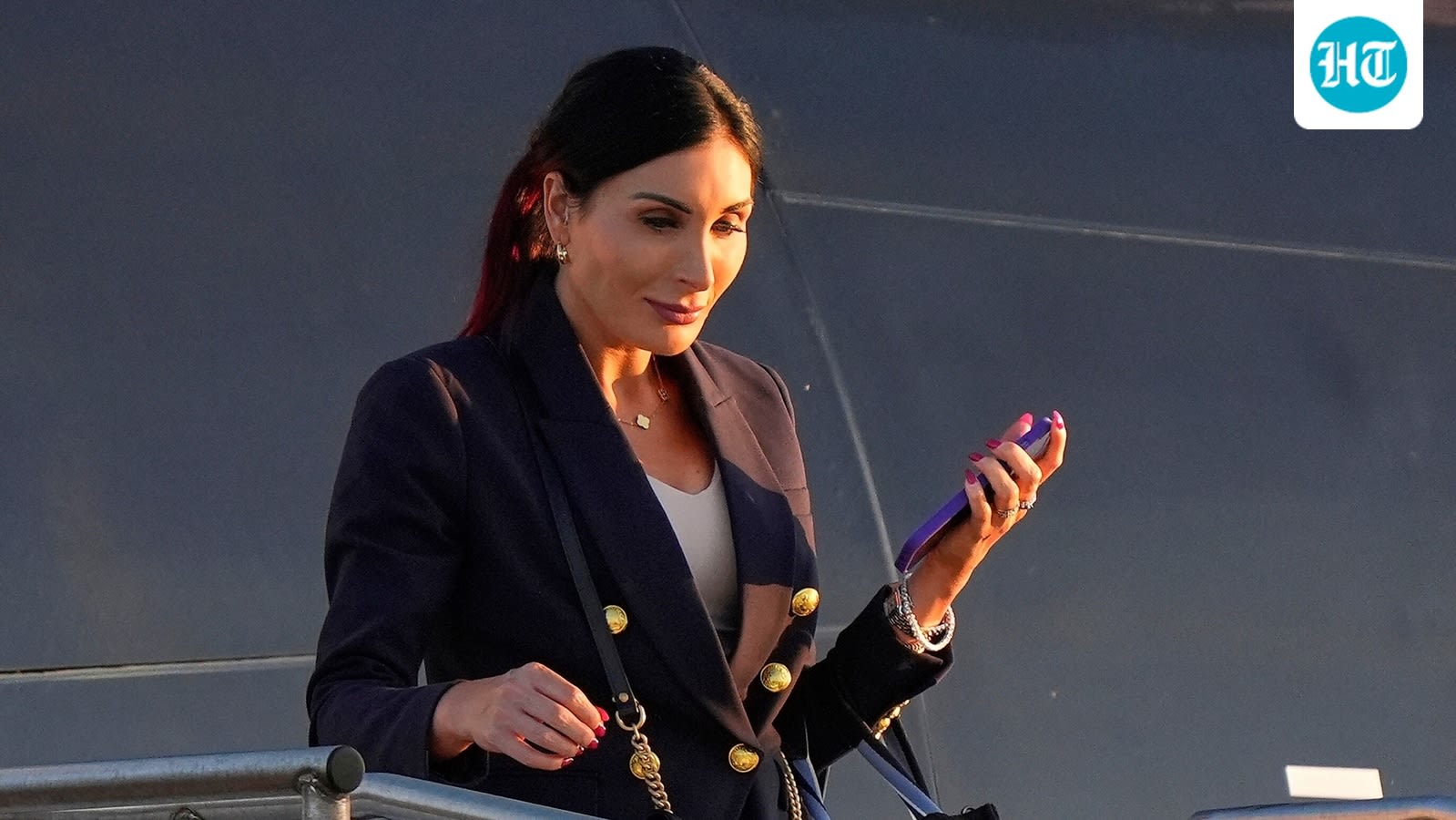
Right-wing activist Laura Loomer faces allegations of accepting undisclosed payments for political posts on X. Loomer has categorically denied these claims despite reports citing multiple sources familiar with the arrangements.
Allegations of Undisclosed Political Influence
A recent report from The Washington Post has sparked a significant controversy regarding the intersection of social media influence and political campaigning. The report suggests that right-wing activist Laura Loomer, who maintains a substantial following of 1.9 million users on X, allegedly accepted payments from private clients to disseminate political messages without proper disclosure. These allegations, which implicate the transparency of political discourse on major social platforms, have drawn attention to the increasingly blurred lines between grassroots activism and paid political consulting.
The Nature of the Claims
According to the investigative findings, the allegations are supported by testimonies from four individuals, including Alex Bruesewitz, an adviser to Donald Trump’s 2024 campaign. Three additional anonymous sources claimed that they either paid Loomer directly or oversaw clients who provided compensation for her to post specific political content. Such arrangements, if proven, raise critical questions regarding the ethics of digital advocacy and the potential for 'astroturfing'—a practice where political messages are presented as organic, independent opinions while being financially incentivized.
Loomer’s Denial and the Burden of Proof
In response to these serious accusations, Laura Loomer has issued a firm denial, rejecting the assertion that she received payment for the political content featured on her account. This clash between investigative journalism and the subject's rebuttal highlights the difficulty in regulating political speech on private social media platforms. Because X and other platforms operate under their own terms of service, the onus often falls on independent journalists to uncover potential violations of transparency that might not be captured by automated platform monitoring.
Broader Implications for Digital Campaigning
This incident serves as a case study for the evolving landscape of political influence in the digital age. As campaigns seek to bypass traditional media channels, they increasingly rely on high-profile influencers to sway public opinion. When these influencers fail to disclose financial ties to political actors, it undermines the trust of their followers and obscures the origin of the information being consumed. The broader implication here is the growing necessity for stricter transparency requirements for political influencers, similar to the regulations applied to traditional political advertisements.
Historical Context of Political Disclosure
The debate over transparency in political communication is not new; it has historically been centered on campaign finance laws and television advertising. However, the migration of this influence to social media creates a regulatory vacuum. Historically, the Federal Election Commission (FEC) has struggled to keep pace with the rapid evolution of digital platforms. As political operatives continue to leverage the reach of personal accounts rather than official campaign pages, the challenge of maintaining an informed electorate becomes exponentially more complex.
Future Trends and Regulatory Outlook
Looking forward, this controversy is likely to accelerate calls for enhanced oversight of political influencer marketing. As the 2024 election cycle intensifies, it is probable that both social media companies and regulatory bodies will face increased pressure to implement clearer guidelines regarding paid political content. If allegations of this nature persist, we may see a shift toward mandatory disclosure tags for any content that can be classified as political advocacy, aiming to restore a degree of accountability to the digital public square.
Verification Required?