Lawyers hurl furniture in Allahabad High Court as protest turns violent
Source Entity
Vineet Upadhyay, Somya Tyagi
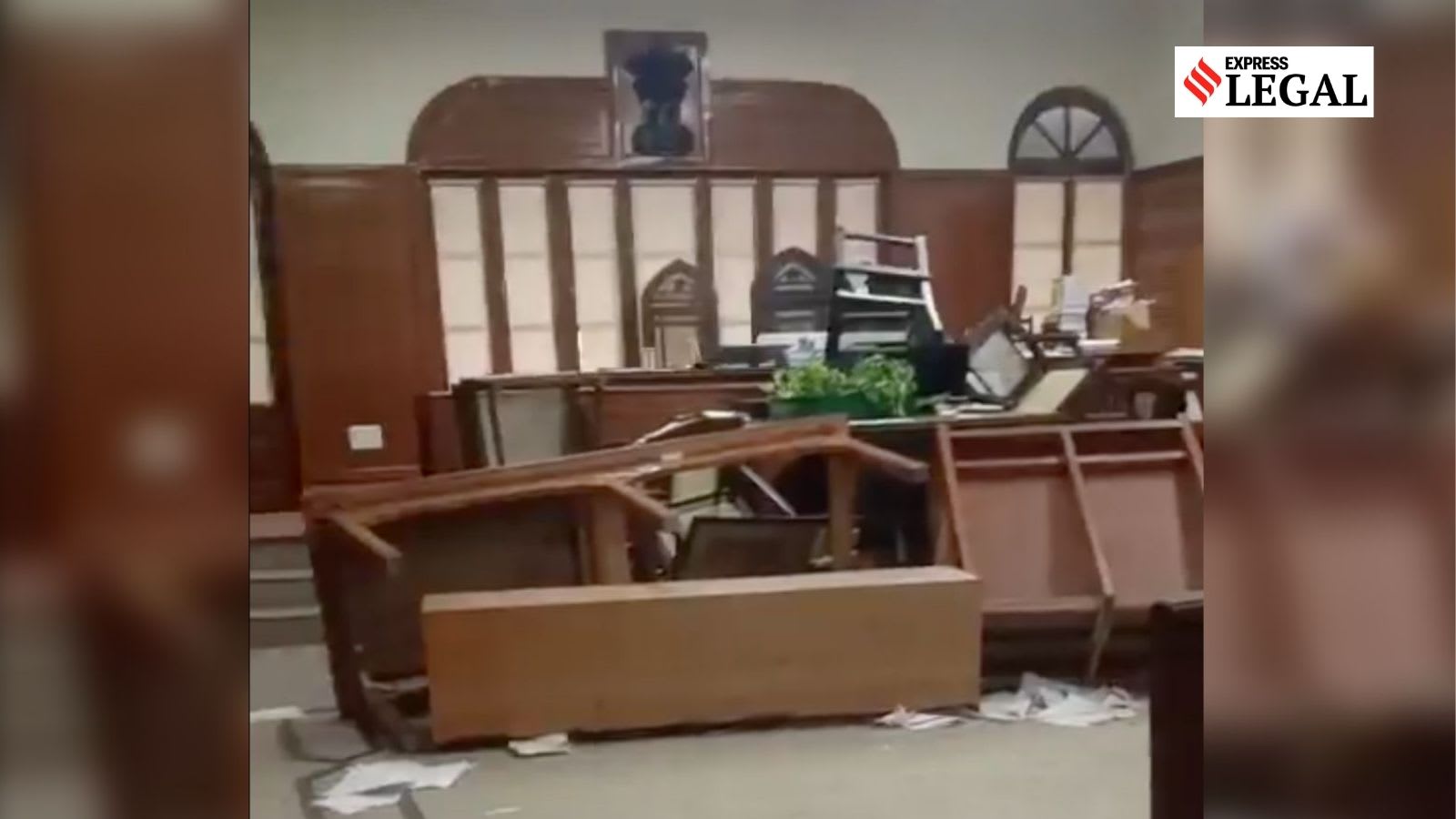
Recent legal protests in India have led to distinct outcomes, with chaos at the Allahabad High Court following a boycott and a strike in Delhi ending after police transfers. These incidents highlight the ongoing tensions between legal practitioners and judicial or law enforcement authorities.
Tensions Peak: Legal Protests Disrupt Judicial Proceedings
Recent days have seen a surge in confrontational protests within India’s legal landscape, with significant unrest reported at both the Allahabad High Court and across Delhi’s district courts. These events underscore a volatile period for the legal fraternity, as tensions between lawyers, the judiciary, and law enforcement reach a critical inflection point.
The Allahabad High Court Incident
At the Allahabad High Court, a protest initiated by the Bar Association escalated into physical violence within the courtroom of Justice Ajay Bhanot. The demonstration, centered on allegations of mistreatment of a lawyer, resulted in furniture being hurled and verbal abuse directed at the bench. Such actions have drawn sharp condemnation, with Justice Arun Kumar Singh Deshwal labeling the behavior "contemptuous" and ordering an immediate review of CCTV footage to initiate contempt proceedings against the agitators. This development marks a serious breach of judicial decorum, raising questions about the boundaries of professional protest versus criminal conduct.
Accountability and Police Conduct in Delhi
Simultaneously, in the national capital, lawyers from the Coordination Committee of All District Courts Bar Associations launched an indefinite strike. Their grievance centered on the conduct of an Assistant Commissioner of Police (ACP), Manasvi Vashisht, who was accused of brandishing his revolver at advocates. This strike highlights the deep-seated friction between the legal community and police forces, particularly regarding the handling of assaults on legal professionals. The protest concluded only after the administration opted to transfer both ACP Vashisht and Inspector Arun Kumar, signaling a victory for the bar associations involved.
Historical Context of Bar-Bench Relations
Historically, the relationship between the bar and the bench in India has been characterized by mutual respect, yet it remains susceptible to periodic volatility. When lawyers feel that their grievances regarding judicial conduct—such as the allegations against Justice Bhanot—are not addressed through formal channels, they often resort to boycotts. However, the escalation to physical vandalism represents a dangerous departure from traditional advocacy, threatening the sanctity of the courtroom environment.
Broader Implications for the Legal System
These events carry profound implications for the rule of law. When courtrooms become sites of physical confrontation, the administration of justice is inevitably delayed, and public confidence in the legal system is shaken. The swift reaction from the judiciary in Allahabad to document the unrest suggests a firm stance against the disruption of judicial functions, while the resolution in Delhi highlights the power of collective bargaining by bar associations when police conduct is brought into question.
Future Trends and Outlook
Looking ahead, it is likely that both the judiciary and legal associations will need to establish more robust mechanisms for dispute resolution. If the current trend of confrontational protests continues, it may necessitate stricter security protocols within court complexes to protect judicial officers and court staff. Ultimately, the stability of the Indian legal system depends on maintaining the delicate balance between the right to protest and the necessity of preserving a secure, orderly, and respectful environment for legal proceedings.