Lebanese army says troops deploying in 'pilot zone' after Israeli withdrawal
Source Entity
BBC News
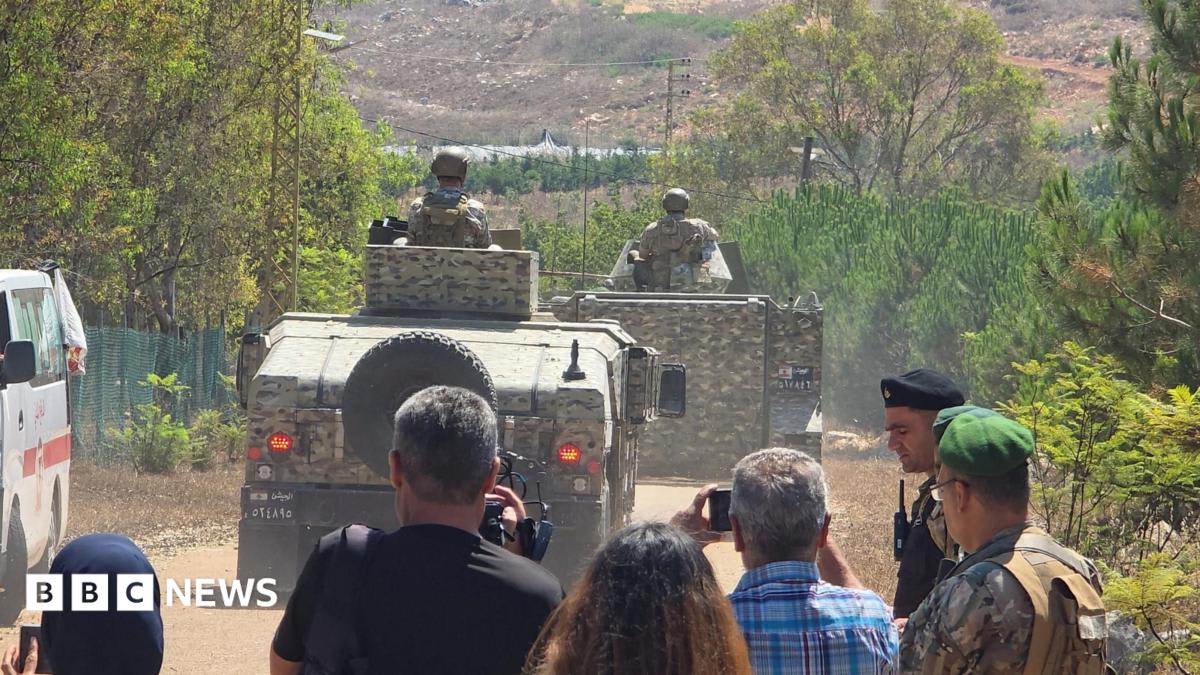
The Lebanese army has begun deploying troops to a designated pilot zone in southern Lebanon following a US-brokered withdrawal by Israeli forces. This move marks a preliminary step in a broader agreement aimed at de-escalating the conflict and addressing the disarmament of Hezbollah.
Initial Stabilization in Southern Lebanon
The Lebanese military has officially commenced its deployment into a designated "pilot zone" within the Nabatieh district, specifically entering the village of Zawtar al-Gharbiyeh. This strategic maneuver follows a US-brokered agreement intended to facilitate the withdrawal of Israeli forces from territories occupied during recent hostilities with Hezbollah. By establishing this pilot zone, the Lebanese state is attempting to reassert its sovereign authority in a region that has long been a flashpoint for regional conflict.
The Mechanics of the US-Brokered Agreement
The framework of the current agreement is twofold: it necessitates the physical withdrawal of Israeli military units from specific southern Lebanese sectors and mandates the disarmament of Hezbollah, the Iran-backed militant group. The initiation of this pilot program serves as a critical test of whether the Lebanese Armed Forces can effectively maintain security in a vacuum left by departing Israeli troops. The success of this phase is essential for building the mutual trust required to expand the withdrawal to the remainder of the occupied south.
Geopolitical Implications and Diplomatic Stakes
This development occurs against the backdrop of significant diplomatic activity, most notably the upcoming meeting between Lebanese President Joseph Aoun and US President Donald Trump in Washington. The timing of the deployment is clearly intended to demonstrate progress on the ground, providing President Aoun with leverage as he prepares to lobby the US administration. Aoun’s primary objective is to secure American pressure on Israel to accelerate the withdrawal from the remaining occupied areas, thereby formalizing the cessation of territorial incursions.
Challenges to Long-Term Stability
The path toward a lasting peace remains fraught with complexities, primarily due to the requirement for Hezbollah to disarm. Historically, the presence of non-state actors with significant military capabilities has complicated the Lebanese government's ability to exert full territorial control. The transition of security responsibilities from Israeli forces to the Lebanese army is not merely a military operation but a political transformation that will test the resilience of Lebanon's internal governance structures.
Future Trends in Regional Security
Looking forward, the expansion of the pilot zone will likely serve as the blueprint for future de-escalation efforts. If the deployment in Zawtar al-Gharbiyeh proceeds without significant security breaches, it may encourage further diplomatic concessions. However, if the disarmament process falters or if skirmishes erupt during the transition, the fragility of the US-brokered deal could lead to a rapid reversal of these gains, potentially reigniting the conflict in southern Lebanon.
Conclusion
The deployment of the Lebanese army into the pilot zone marks a significant, albeit preliminary, step toward stabilizing the southern border. While the withdrawal of Israeli forces is a positive indicator for de-escalation, the ultimate success of this initiative hinges on the efficacy of the Lebanese state's security apparatus and the fulfillment of the disarmament clauses within the agreement. The outcome of the upcoming Washington summit will be pivotal in determining whether this pilot project leads to a comprehensive resolution or remains a isolated effort in a volatile region.