One of the year's most prolific meteor showers to light up the night sky this weekend
Source Entity
BBC News
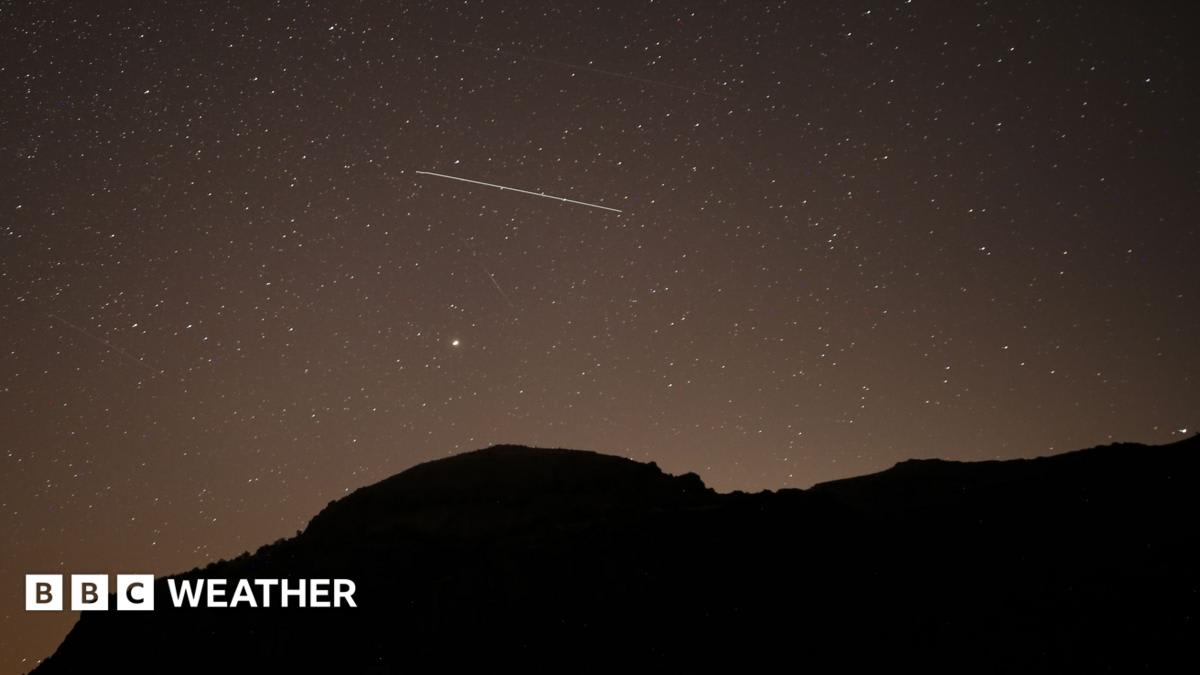
The Leonid meteor shower is active throughout November, reaching its peak on the night of November 17. Observers can expect to see up to 15 fast-moving meteors per hour as Earth passes through debris from Comet 55P/Tempel-Tuttle.
The Leonid Meteor Shower: A Celestial Display
This November, the night sky is set to host one of the most anticipated astronomical events of the year: the Leonid meteor shower. Beginning this weekend and continuing through November 30, the event offers a unique opportunity for enthusiasts in the UK and beyond to witness the remnants of a cosmic traveler. Known for their brilliance and velocity, the Leonids are a highlight of the annual celestial calendar.
The Source of the Spectacle
At the heart of this event is the Comet 55P/Tempel-Tuttle. As this comet orbits the Sun, it leaves behind a dense trail of dust and debris particles. When the Earth crosses this orbital path, these particles collide with our atmosphere. This interaction transforms harmless space dust into the brilliant, fleeting streaks of light that we observe from the ground, serving as a reminder of the dynamic nature of our solar system.
Unmatched Velocity
What distinguishes the Leonid meteor shower from other annual events is the sheer speed of the particles. These meteors enter the Earth's atmosphere at a staggering 44 miles (71km) per second. This high velocity makes them the fastest meteors visible in the night sky, often resulting in bright, sharp streaks that capture the attention of casual observers and seasoned astronomers alike.
Viewing Expectations
While meteor showers can sometimes be unpredictable, current projections suggest that observers may see between 10 and 15 meteors per hour during the peak. This maximum activity is scheduled to occur on the night of November 17. While these numbers are modest compared to historic "meteor storms" associated with the Leonids, they still offer a rewarding experience for those willing to brave the November chill.
Contextual Significance and Future Trends
Astronomy enthusiasts view the Leonid shower as a vital link to understanding the history of our solar system. By studying the debris left by Comet 55P/Tempel-Tuttle, scientists can gain insights into the composition of cometary bodies. Looking forward, the study of such showers remains essential for modeling orbital debris patterns, which is increasingly relevant as human activity in space continues to expand. While the peak on November 17 is the primary event, the extended duration until November 30 provides a generous window for sky-gazing, ensuring that weather-dependent spectators have multiple nights to catch a glimpse of the phenomenon.