What an Indian diplomat saw in Mao’s China 60 years ago
Source Entity
The Indian Express
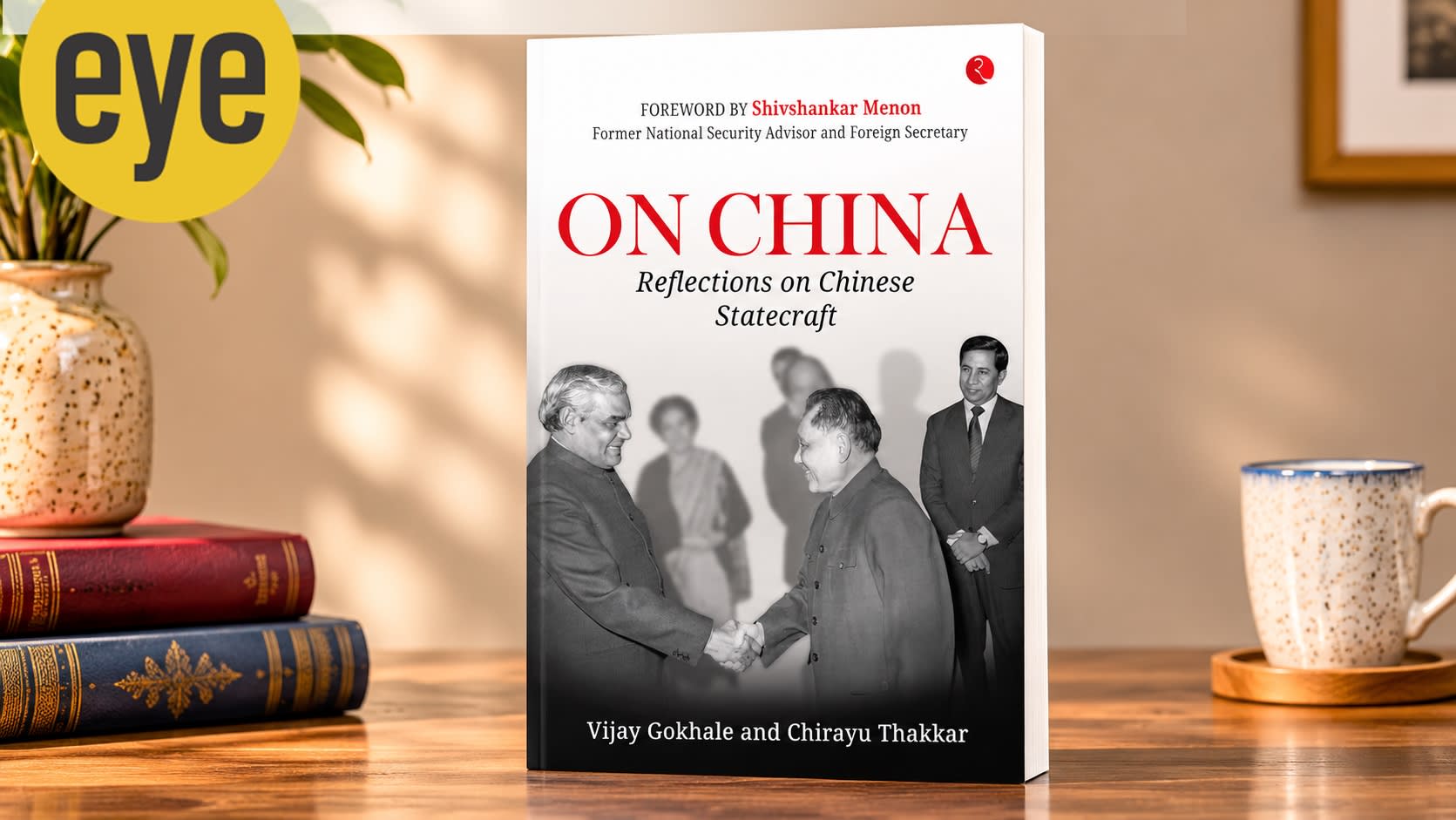
The publication of Jagat Mehta’s historical papers offers rare insights into 1960s Chinese statecraft during a period of bilateral strain. Simultaneously, modern Indian diplomacy faces the challenge of balancing long-term US relations amidst shifting American political dynamics.
Historical Perspectives on Sino-Indian Relations
The recent release of On China: Reflections on Chinese Statecraft, edited by Vijay Gokhale and Chirayu Thakkar, serves as a vital bridge between India's diplomatic past and its complex present. By declassifying nine papers written by Jagat Mehta during his tenure as chargé d’affaires in Peking (1964–1966), the work sheds light on a period where India-China relations were effectively in hibernation following the 1962 border conflict. Mehta’s approach, which prioritized deep academic study and rigorous information gathering by his staff, established a tradition of intelligence-led diplomacy that remains a hallmark of the Indian Foreign Service today.
The Value of Institutional Memory
For decades, the intellectual output of Indian diplomats has remained trapped within a cautious and often opaque declassification regime. The publication of Mehta’s work, spanning the years 1964 to 1970, is significant because it provides a granular look at the evolution of Chinese grand strategy through the eyes of one of India’s most seasoned foreign secretaries. By documenting the internal mechanics of the Chinese state during a tumultuous decade, these papers offer modern policymakers a framework to understand the historical continuity of Chinese foreign policy and the strategic patience that defines it.
Navigating Contemporary Diplomatic Bandwidth
While the past informs the present, contemporary Indian diplomacy is currently consumed by the sheer volume of engagement required with the United States. Over the last year, New Delhi has faced a period of intense diplomatic activity characterized by constant shifts and the need for extreme agility. The relationship, which has been painstakingly nurtured by both Congress and BJP administrations over the past quarter-century, is now entering a phase where unpredictability has become a defining feature, necessitating a more nuanced approach to engagement.
Adapting to Shifting US Political Dynamics
The necessity for a broader outreach strategy is underscored by the changing landscape of American politics. With the results of mid-term elections altering the balance of power in Washington, the era of relying solely on the White House for policy continuity is waning. As the political landscape shifts, New Delhi is compelled to expand its diplomatic efforts to build relationships with a new generation of Democratic lawmakers. This shift highlights the inherent risk of over-relying on single-point engagement strategies.
Strategic Implications for the Future
Looking ahead, the dual challenge for India lies in synthesizing the historical lessons gleaned from the likes of Jagat Mehta with the pragmatic requirements of today’s volatile geopolitical environment. Whether dealing with the long-term, structural challenges posed by China or the tactical, day-to-day fluctuations in the US-India partnership, the common thread is the need for deep, objective, and well-researched analysis. The transition from a reactive diplomatic posture to one that anticipates systemic shifts is essential for navigating the complexities of the 21st century.
Conclusion
In summary, the intersection of historical reflection and modern strategic necessity defines India's current foreign policy trajectory. By valuing the insights of past diplomats while simultaneously diversifying its current diplomatic footprint, India seeks to maintain its influence in an increasingly multipolar world. The lessons of the 1960s serve as a reminder that while regimes and administrations change, the underlying imperatives of national interest and strategic stability remain constant.
Multiple Citing Sources