Mistrial declared in Lindsay Clancy murder case, after jury deadlocks
Source Entity
BBC News
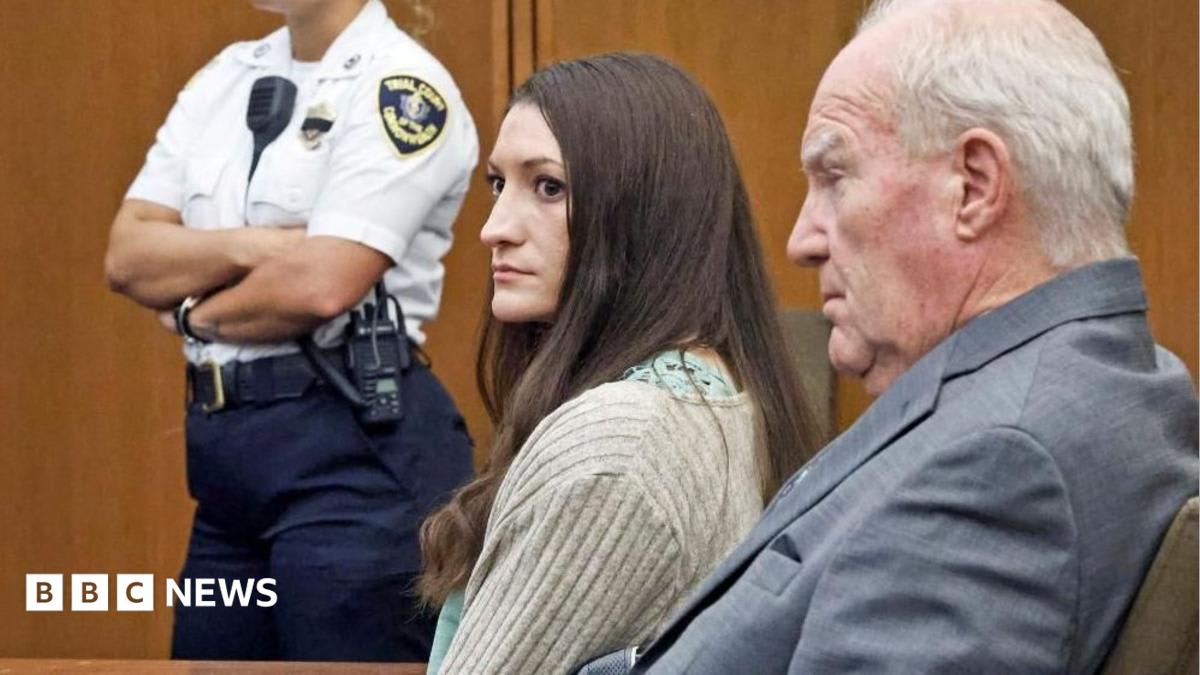
The murder trial of Lindsay Clancy has ended in a mistrial following a deadlocked jury after 40 hours of deliberation. Prosecutors are currently evaluating whether to pursue a new trial, while the defense remains in conflict with the court over the handling of the proceedings.
The Lindsay Clancy Mistrial: A Legal Stalemate
The murder trial of Lindsay Clancy, a former nurse accused of the deaths of her three children, has concluded in a mistrial. After six weeks of intense court proceedings and more than 40 hours of deliberation spread over seven days, the jury of nine women and three men informed Judge William F. Sullivan that they were deadlocked. Despite repeated attempts to reach a consensus, the panel remained unable to agree on a unanimous verdict, forcing the court to declare a mistrial and leaving the case in a state of profound legal uncertainty.
The Dynamics of the Deadlock
Reports indicate that the jury was deadlocked at an 11-1 split. Defense attorney Kevin Reddington suggested that the vast majority of the jury favored a verdict in favor of Clancy, though the specific nature of the deliberations remains shielded by standard jury secrecy. The deadlock prompted significant friction in the courtroom, culminating in a heated exchange between Reddington and Judge Sullivan. The tension reached a peak when Reddington, frustrated by the procedural limitations, removed his glasses and engaged in a sharp verbal confrontation with the judge, characterizing the situation as a "travesty."
Procedural Conflicts and Appeals
Before the formal declaration of the mistrial, Kevin Reddington attempted to intervene by filing an emergency appeal with the Massachusetts Supreme Judicial Court. He sought to have the high court address issues regarding the holdout juror, hoping to avoid the eventual deadlock. However, this emergency request was denied, leaving Judge Sullivan with little alternative but to declare the mistrial once the jury confirmed their inability to reach a unanimous decision. This procedural rejection highlights the high threshold required for appellate courts to interfere in the middle of active jury deliberations.
The Prosecution's Stance
Plymouth County District Attorney Timothy Cruz has maintained a firm position regarding the state’s evidence. According to Cruz, the prosecution maintains that the evidence demonstrated that Clancy was in control of her actions at the time of the homicides. Despite the mistrial, the District Attorney’s office has not yet committed to a specific path forward. Cruz stated that his legal team would be meeting to evaluate the proceedings and determine whether to pursue a retrial, leaving the future of the criminal proceedings against Clancy in limbo.
Broader Implications and Future Trends
This case highlights the immense complexity of high-profile criminal trials where mental health and intent are central to the defense. The inability of the jury to reach a verdict underscores the difficulty in navigating cases that involve tragic circumstances and severe psychiatric implications. As the case remains in a state of limbo, the legal community and the public now await a decision from the District Attorney on whether the state will attempt to retry the case or seek an alternative resolution. The event serves as a stark reminder of the limitations of the jury system when faced with polarized interpretations of evidence and intent.
Multiple Citing Sources