Lindsay Clancy trial: Read transcript of Patrick Clancy's ‘horrific’ 911 call played in court; ‘She killed…’
Source Entity
Latest News: Todays Latest News Headlines from India & World | Hindustan Times | Hindustan Times
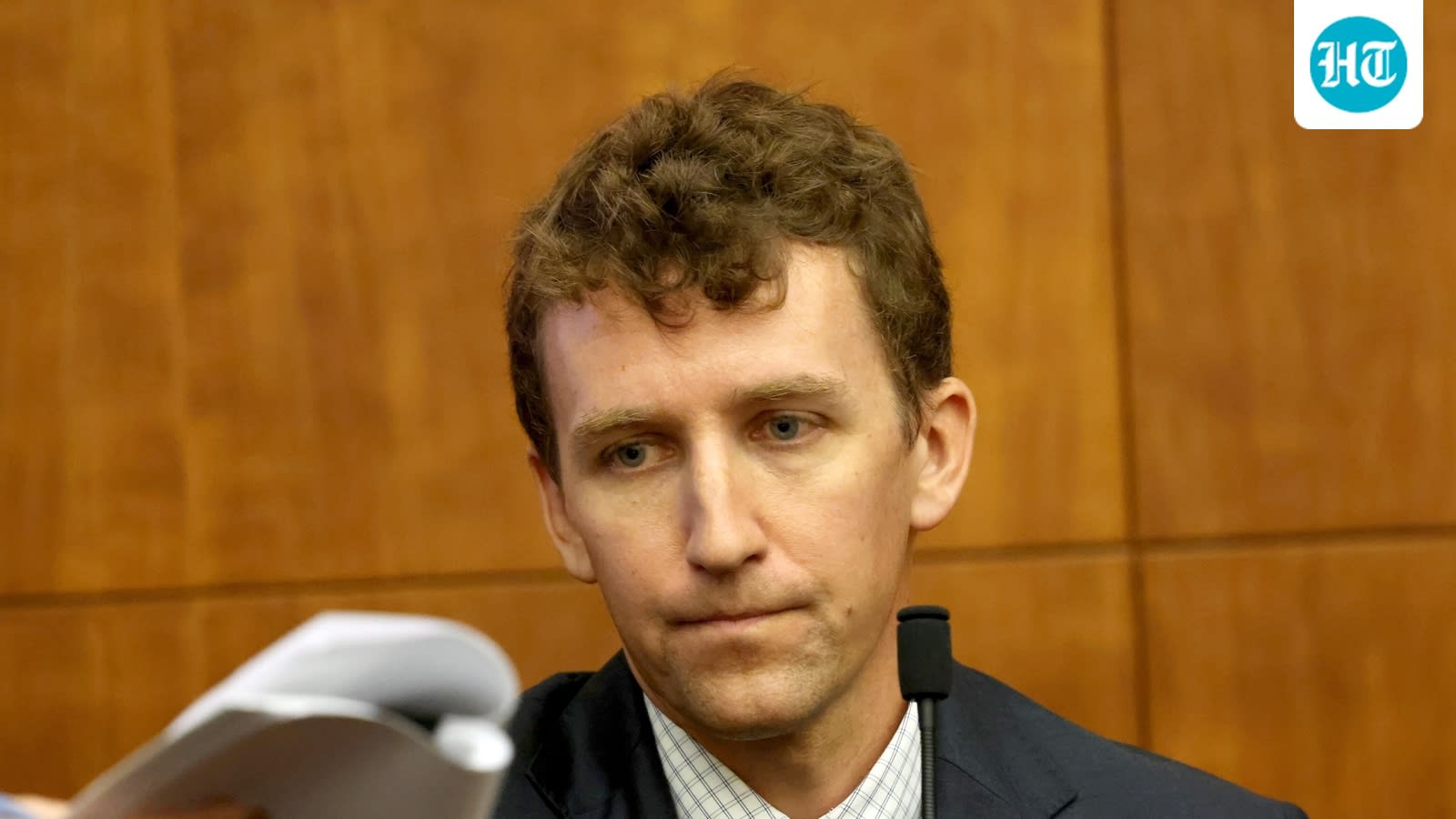
The trial of Lindsay Clancy for the 2023 murder of her three children has begun in Massachusetts, centering on her mental health and medication history. Testimony from ex-husband Patrick Clancy and defense arguments regarding postpartum psychosis highlight the tragic intersection of severe psychiatric illness and legal accountability.
The Tragic Trial of Lindsay Clancy: A Legal and Mental Health Examination
The Opening of a Devastating Case
The murder trial of Lindsay Clancy, currently underway at the Plymouth Superior Court in Massachusetts, marks a somber moment in the public discourse surrounding maternal mental health. The proceedings began with the harrowing testimony of Patrick Clancy, the defendant’s ex-husband, whose 911 call from January 2023 was played in open court. This audio, which captured the immediate aftermath of the strangulation deaths of their three children—Cora, 5, Dawson, 3, and Callan, 8 months—serves as the emotional anchor of the prosecution’s case, illustrating the profound loss suffered by the family.
The Defense’s Focus: Medication and Diagnosis
A central pillar of the defense strategy, led by attorney Kevin Reddington, involves a meticulous examination of Lindsay Clancy’s psychiatric treatment in the months preceding the tragedy. Between October 2022 and January 2023, the defense argues that Clancy was subjected to a rapid cycle of medication changes and was allegedly overprescribed psychiatric drugs while her underlying condition remained improperly diagnosed. By focusing on this timeline, the defense aims to establish that the defendant was not in a state of mind to be held legally responsible for her actions.
The Role of Postpartum Psychosis
Postpartum psychosis has emerged as the definitive medical context for this trial. While the defendant has admitted to killing her children, her legal team is leaning heavily on the argument that she was suffering from a severe, dissociative psychiatric episode. The complexity of this condition is being illuminated not just by expert testimony, but by public discourse from survivors who have shared their own experiences of hearing voices and seeing hallucinations, providing a window into the potential reality Clancy faced during that period.
Broader Implications for Maternal Mental Health
The trial has reignited national debates regarding the adequacy of psychiatric care for new mothers. The fact that Clancy had a history of mental health challenges, including a voluntary admission to McLean Hospital, raises critical questions about whether the healthcare system failed to provide the necessary safeguards to prevent such a catastrophic outcome. This case serves as a grim case study on the dangers of undiagnosed postpartum psychosis and the potential risks associated with complex medication regimens for postpartum patients.
Future Trends and Judicial Precedents
As the trial progresses, the jury is tasked with the difficult responsibility of weighing the admitted facts of the killings against the evidence of severe mental illness. The verdict in this case could potentially set a significant precedent in Massachusetts and beyond regarding how the legal system handles cases where postpartum psychosis is cited as a primary factor in violent crime. The outcome will likely influence how mental health professionals and legal experts approach similar cases in the future, emphasizing the need for earlier intervention and more specialized care for mothers suffering from acute perinatal psychiatric disorders.
Conclusion
The Lindsay Clancy trial is more than a criminal proceeding; it is a profound exploration of human suffering, medical oversight, and the limits of legal culpability. As the court continues to parse through the medical records and personal testimonies, the public remains fixed on the intersection of medicine and the law, seeking to understand how such a tragedy could unfold and what lessons can be gleaned to protect families in the future.
Verification Required?