Living In a Materials ETF World: Broad & Targeted Exposure
Source Entity
Yahoo Finance
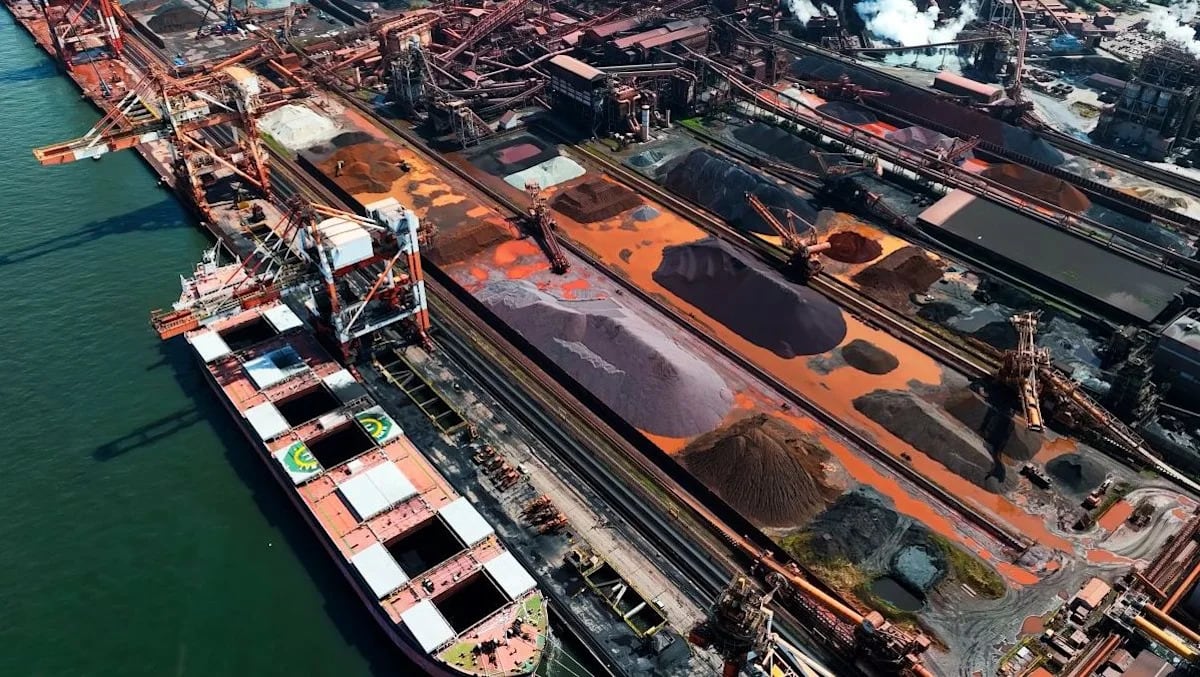
Rising extraction costs and supply chain constraints are driving inflation from the producer level upward. Investors are increasingly turning to basic materials ETFs to gain exposure to companies with inherent pricing power.
The Producer-Level Roots of Inflation
As highlighted by TMX VettaFi analyst Jennifer Nash, the narrative of inflation is often misaligned with the consumer experience. While many focus on the retail checkout counter, the true inflationary cycle begins at the source of production. When the cost of raw material extraction rises, it initiates a ripple effect that inevitably traverses the entire supply chain, ultimately manifesting as higher prices for the end consumer. This fundamental economic reality underscores why basic materials serve as the bedrock of the global economy.
The Impact of Supply Constraints and Geopolitical Friction
The current economic environment is being heavily influenced by a convergence of supply constraints and geopolitical instability, particularly in the Middle East. These factors have created significant bottlenecks that elevate the cost of primary inputs. Because basic materials are the original inputs for virtually every finished good, any volatility in this sector acts as a multiplier for inflationary pressure across all downstream industries.
Pricing Power as an Economic Hedge
A critical advantage for companies operating within the basic materials sector is their inherent pricing power. Unlike firms in more discretionary or highly competitive retail sectors, those involved in the extraction and processing of primary resources can often pass cost increases down the supply chain with greater ease. This capacity to maintain margins in the face of rising input costs makes them a unique segment of the market during periods of macroeconomic volatility.
The Role of Physical Assets
Historically, physical assets—and the companies tasked with their extraction—have served as a traditional hedge against inflation. By investing in these entities, stakeholders gain exposure to the tangible goods that underpin industrial output. As central banks and global markets grapple with persistent cost pressures, the strategic importance of these foundational resources becomes increasingly apparent to both institutional and retail investors.
Future Trends in Materials ETFs
The shift toward broad and targeted materials ETFs reflects a growing investor realization that standard equity portfolios may not provide sufficient protection against producer-level inflation. By utilizing ETFs, investors can gain diversified exposure to the companies driving the extraction economy. As extraction costs remain sensitive to global supply chain disruptions, we can anticipate a continued focus on these vehicles as a mechanism for both risk mitigation and capital appreciation in an inflationary landscape.