Five multi-level facilities planned to tackle Lucknow’s parking woes
Source Entity
Latest News: Today's Latest News Headlines from India & World | Hindustan Times | Hindustan Times
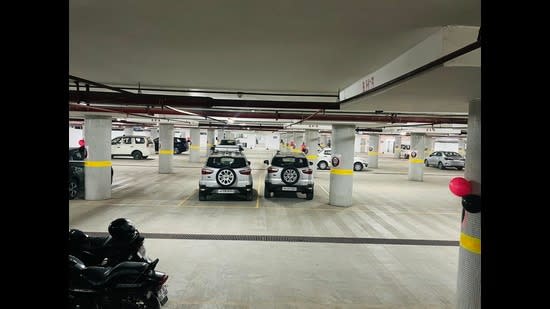
The Lucknow Development Authority (LDA) is planning to construct five multi-level parking facilities to combat severe traffic congestion and reduce illegal roadside parking in the city's most high-traffic zones.
Addressing Urban Gridlock: Lucknow's Strategic Parking Initiative
Lucknow, the capital city of Uttar Pradesh, has experienced an unprecedented surge in vehicular density over the last decade. As the city expands and its commercial hubs grow, the existing infrastructure has struggled to keep pace with the volume of private and commercial vehicles. The recent announcement by the Lucknow Development Authority (LDA) to develop five multi-level parking facilities marks a critical step toward modernizing the city's urban mobility framework and reclaiming public road space from haphazard parking.
The Crisis of Roadside Congestion
One of the primary drivers behind this initiative is the systemic issue of roadside parking. In high-traffic areas, the lack of designated parking spaces forces motorists to park on the edges of main arteries, effectively narrowing the usable road width. This creates a bottleneck effect, leading to chronic traffic jams and increasing the travel time for commuters. By transitioning from horizontal, street-level parking to vertical, multi-level facilities, the LDA aims to clear these obstructions, thereby improving the overall flow of traffic and reducing the risk of accidents caused by poorly parked vehicles.
Economic Implications for Commercial Hubs
High-traffic areas in Lucknow are typically the heartbeat of the city's economy, housing markets, offices, and retail centers. However, the difficulty of finding parking often deters potential visitors and disrupts the logistics of goods movement. The introduction of structured multi-level parking is expected to provide a significant boost to local businesses. When parking is streamlined and accessible, consumer footfall typically increases, as the psychological barrier of "parking stress" is removed. This infrastructure project is not merely a traffic solution but an economic catalyst for the city's commercial districts.
Vertical Infrastructure and Land Optimization
In a densely populated city like Lucknow, land is a premium resource. Traditional surface parking lots are an inefficient use of urban space, consuming vast areas that could otherwise be used for green spaces or commercial development. Multi-level parking represents a shift toward "smart growth" and vertical urbanism. By stacking parking spaces, the LDA can accommodate hundreds of vehicles on a fraction of the land. This approach aligns with global urban planning trends where cities maximize their spatial footprint to balance infrastructure needs with environmental and aesthetic considerations.
Integration with the Broader Urban Ecosystem
For these five facilities to be truly effective, they must be integrated into a broader urban transport strategy. The success of these parking hubs will likely depend on their proximity to public transit points, creating a "park-and-ride" ecosystem. If citizens can park their vehicles in these secure, multi-level facilities and then utilize public transport to reach their final destination in the city center, the overall number of cars entering the most congested zones will decrease. This holistic approach is essential for the long-term sustainability of Lucknow's transport network.
Future Trends and Scalability
Looking forward, this initiative could serve as a blueprint for other cities across Uttar Pradesh facing similar growth pains. The shift toward organized, paid parking facilities also provides the municipal government with a consistent revenue stream that can be reinvested into road maintenance and public transport. We can expect future iterations of these projects to include smart-parking technology, such as real-time occupancy sensors and digital payment systems, further reducing the time drivers spend searching for spaces and idling in traffic.
Conclusion
In summary, the LDA's plan to implement five multi-level parking facilities is a targeted and necessary intervention to resolve Lucknow's parking woes. By tackling the root cause of roadside congestion and utilizing vertical space, the city is moving toward a more organized and efficient urban environment. While the construction phase may present temporary challenges, the long-term benefits—ranging from improved traffic fluidity to enhanced economic activity—will be pivotal in shaping Lucknow as a modern, livable metropolis.
Verification Required?