The sal and the beetle: Why Madhya Pradesh is cutting 1.4 lakh trees to save the forest
Source Entity
Anand Mohan J
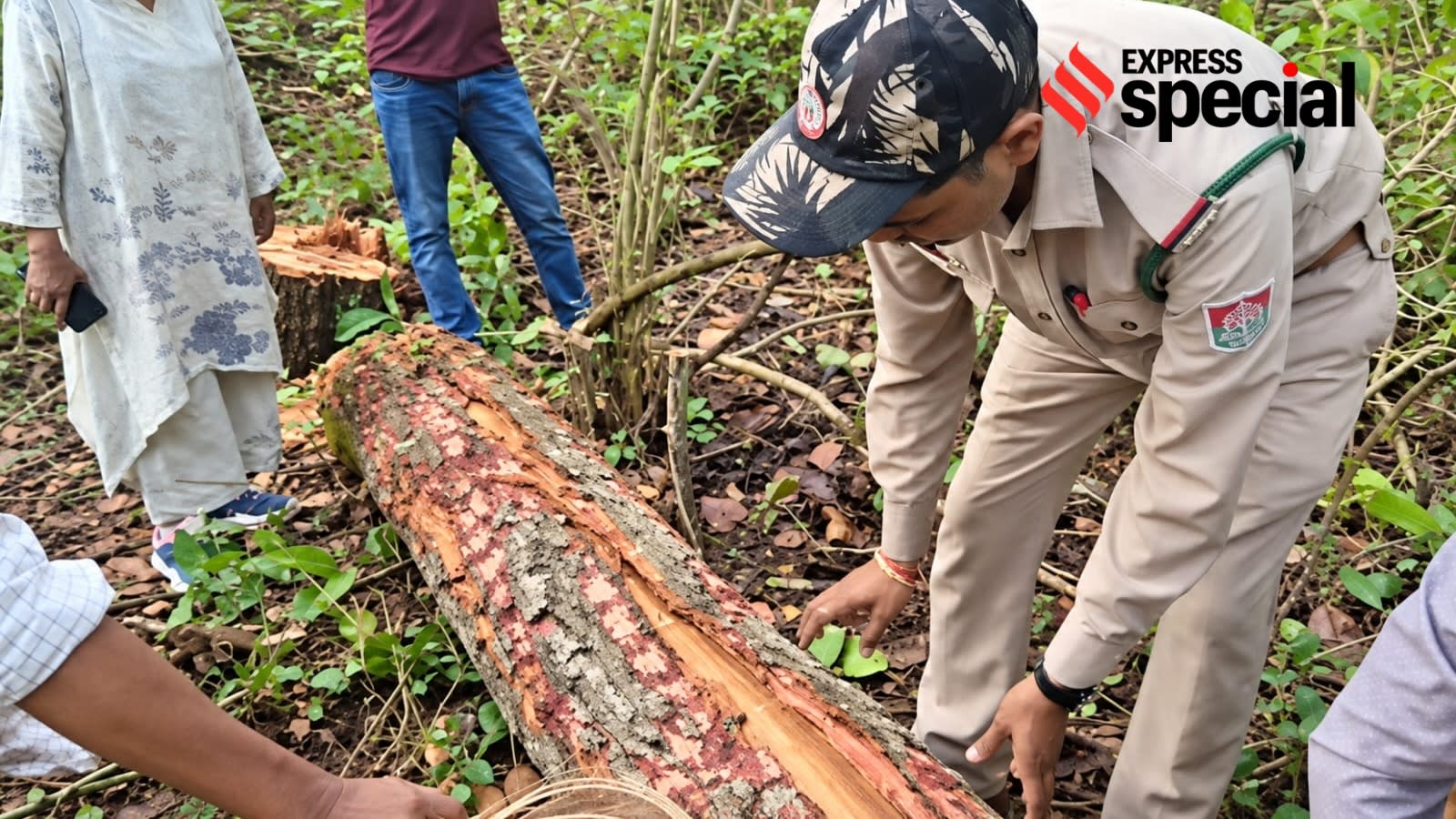
Madhya Pradesh is conducting a massive operation to fell 1.4 lakh sal trees to curb an infestation of the sal heartwood borer beetle. Villagers are actively participating in the containment effort by collecting the beetles, which are then processed at specialized collection centers.
The War Against the Sal Heartwood Borer
In the dense sal forests bordering the Dindori-Mandla road in Madhya Pradesh, a critical ecological intervention is currently underway. The forest department, faced with a severe infestation of the Hoplocerambyx spinicornis—commonly known as the sal heartwood borer—has initiated a drastic measure: the felling of approximately 1.4 lakh trees. This longhorn beetle has plagued these forests for over a century, posing a persistent threat to the structural integrity and longevity of the sal ecosystem.
Understanding the Infestation
The sal heartwood borer is a notorious pest that thrives by burrowing into the heartwood of the tree, effectively disrupting its internal health and vitality. The current strategy involves identifying affected trees, felling them, and stripping their bark to expose the larvae and adult beetles. By removing these hosts, authorities aim to break the life cycle of the insect, preventing further spread to healthy timber in the region.
Community-Driven Containment
A unique aspect of this eradication effort is the integration of local communities. Villagers living in proximity to the forests have become essential partners in this mission. By systematically fanning out through the woods, they locate infested trees, collect the beetles by hand, and transport them to designated collection centers. The practice of turning the beetles into necklaces, while seemingly unconventional, serves a logistical purpose, allowing for the convenient transport of large quantities of the pest.
Economic Incentives and Ecological Balance
To ensure sustained participation, a bounty system has been implemented, with each beetle valued at Rs 2. This financial incentive not only supports the local economy but also ensures that the collection process remains diligent and thorough. By turning the pest into a commodity, the administration has successfully incentivized the manual removal of the beetle, which is often more effective and environmentally sensitive than the widespread use of chemical pesticides.
Broader Implications for Forestry
The decision to fell 1.4 lakh trees is a difficult one, reflecting the severity of the threat posed by the heartwood borer. While the loss of forest cover is significant, forestry experts argue that inaction would lead to a much larger, uncontrollable collapse of the sal ecosystem. This proactive management strategy highlights the ongoing challenge of balancing forest conservation with the necessity of pest control in an era of changing climate conditions that may favor the rapid spread of such infestations.
Future Outlook
Looking ahead, the success of the Dindori-Mandla operation may serve as a blueprint for forest management in other parts of India. By combining traditional manual labor with clear economic incentives, the authorities are demonstrating a collaborative approach to environmental stewardship. The long-term recovery of the sal forest will depend on the effectiveness of this culling process and the subsequent regeneration efforts to restore the canopy lost to the beetle-induced crisis.