Peru, Home To 296 Species Of lizard, Finds One More - Andean Lizard
Source Entity
NDTV News Search Records Found 1000
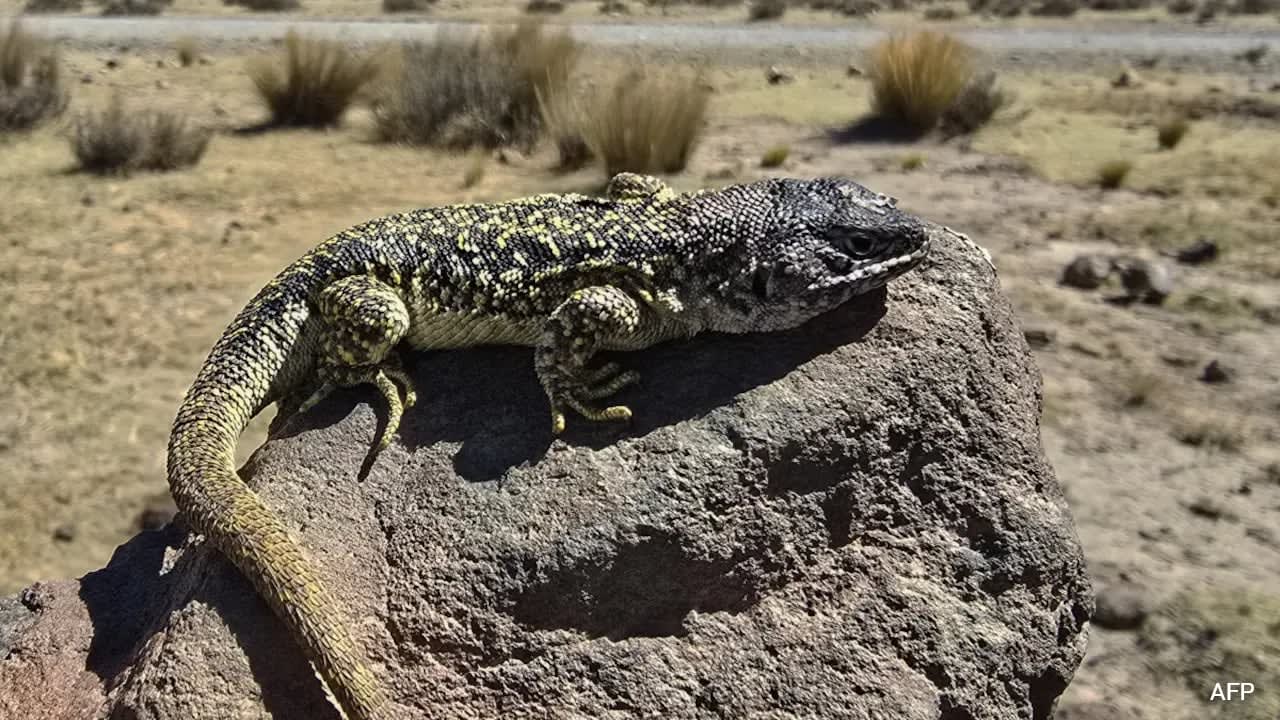
Researchers have discovered a new lizard species, Liolaemus archipensis, in the high Andean puna of Peru. This finding adds to Peru's already impressive biodiversity, which now includes at least 297 documented lizard species.
A New Addition to Peru's Biodiversity
The scientific community has recently celebrated the formal discovery of a new lizard species, Liolaemus archipensis, located within the high-altitude regions of the Andean puna in Peru. This discovery serves as a testament to the biological richness of the South American continent, an area often cited as a critical hotspot for global biodiversity. By identifying this specific taxon, researchers have expanded the known inventory of Peru’s reptilian life to 297 species, highlighting how much of the natural world remains to be cataloged.
The Ecological Significance of the Andean Puna
The Andean puna, where Liolaemus archipensis was found, is an ecosystem characterized by high altitude, extreme temperature fluctuations, and unique environmental pressures. Species that inhabit this region have evolved specialized physiological traits to survive in thin air and rugged terrain. The discovery of a new lizard in such a harsh environment suggests that the puna continues to act as a significant evolutionary laboratory, fostering unique species that are often isolated by the jagged geography of the Andes Mountains.
Taxonomy and the Liolaemus Genus
The genus Liolaemus is renowned among herpetologists for its extreme diversity and its ability to thrive in varied, often challenging habitats ranging from sea level to high mountain passes. The identification of Liolaemus archipensis emphasizes the complexity of this genus. Understanding the distinct characteristics of this new species allows scientists to better map the evolutionary lineage of lizards in South America, providing data that helps distinguish this specific population from its close relatives in neighboring mountain ranges.
Conservation Implications
Every new discovery brings with it a responsibility for conservation. High-altitude environments are particularly susceptible to the impacts of climate change, which can shift the habitable zones for species like Liolaemus archipensis upward until they have nowhere left to go. Identifying this species is the first critical step toward assessing its population status and determining whether it requires specific protection measures to prevent habitat encroachment or degradation.
Future Trends in Biodiversity Research
This discovery underlines a broader trend in modern biology: the ongoing effort to document 'hidden' biodiversity in remote regions. As field research techniques become more sophisticated, integrating genetic analysis with traditional morphology, we can expect the number of known species in Peru and the broader Andean region to continue to rise. This ongoing work is vital for maintaining the ecological balance of the region and ensuring that conservation efforts are based on accurate, up-to-date scientific data.
Conclusion
The discovery of Liolaemus archipensis is more than just a taxonomic update; it is a reminder of the vast, unexplored life forms that share our planet. By officially documenting this lizard, the scientific community ensures that this species is recognized in future environmental management plans, ultimately strengthening the broader understanding of the Andean ecosystem's complex web of life.
Verification Required?