Madras High Court upholds Tamil Nadu Assembly Speaker’s decision to accept resignations of six AIADMK MLAs
Source Entity
India Latest News: Top National Headlines Today & Breaking News | The Hindu
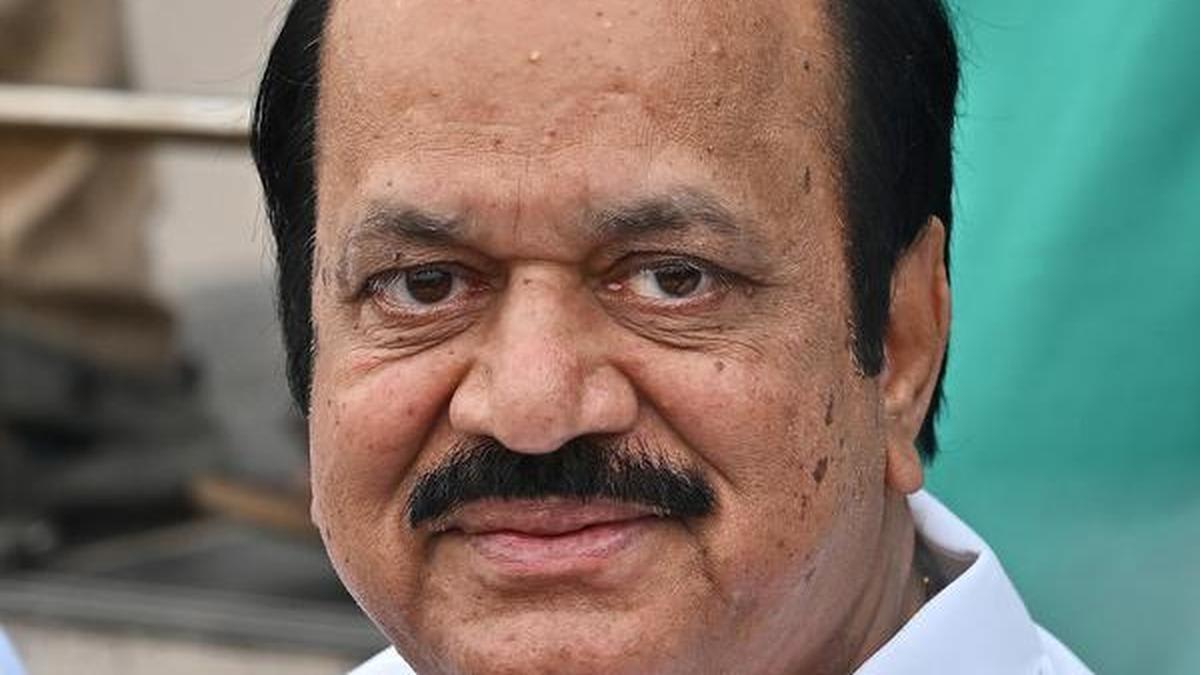
The Madras High Court has upheld the resignation of six AIADMK MLAs who joined the ruling TVK, while ordering the completion of pending disqualification proceedings. Simultaneously, the court is reviewing a proposal to reduce the Pallikaranai marshland's interim Zone of Influence to 128.19 hectares to ease construction restrictions.
Legal Developments in Tamil Nadu: Assembly Resignations and Environmental Zoning
Upholding Legislative Integrity and Speaker Authority
In a significant judicial development on October 13, 2026, the Madras High Court, led by Chief Justice Sushrut Arvind Dharmadhikari and Justice G. Arul Murugan, upheld the decision of Tamil Nadu Assembly Speaker J.C.D. Prabhakar to accept the resignations of six AIADMK MLAs. These legislators had transitioned to the ruling TVK party, sparking debate over the nature of their departure. The Court determined that the resignations, tendered between May and June 2026, were both genuine and voluntary, satisfying the constitutional requirements under Schedule X. By ruling that the Speaker is not obligated to conduct exhaustive inquiries into the political motives behind such resignations, the Court has reinforced the procedural autonomy of the Speaker’s office while simultaneously mandating that pending disqualification proceedings against four of these individuals be concluded within a two-month timeframe.
Balancing Political Shifts and Accountability
The legal scrutiny applied to the MLAs' resignations highlights the ongoing tensions within Tamil Nadu’s political landscape. The court's insistence that disqualification proceedings for the remaining four MLAs proceed underscores a commitment to constitutional accountability, even as it respects the Speaker’s administrative discretion. This decision serves as a pivotal precedent for legislative conduct, ensuring that while members possess the right to resign, the process remains transparent and subject to necessary legal checks to prevent the misuse of anti-defection provisions.
Environmental Relief for Pallikaranai Property Owners
Parallel to these political developments, the High Court is presiding over a critical environmental matter involving the Pallikaranai marshland. For months, property owners have been stifled by a National Green Tribunal (NGT) construction ban affecting a one-kilometer radius around the marshland. Representing a significant shift in policy, the Tamil Nadu State Wetlands Authority (TNSWA) has proposed an interim Zone of Influence (ZoI) covering only 36 survey numbers, totaling 128.19 hectares. This move aims to alleviate the burden on private patta landholders while maintaining environmental oversight.
Navigating the Intersection of Urban Growth and Conservation
The TNSWA’s proposal to narrow the ZoI reflects the complex challenge of balancing Chennai’s urban expansion with the preservation of its ecological assets. By narrowing the scope of the restriction, the state seeks to provide relief to citizens affected by the previous blanket ban, pending the notification of a final, more robust ZoI. The Court’s decision to deliberate on this proposal on October 14, 2026, signals a cautious approach, balancing the urgent need for local development with the long-term imperative of protecting the Pallikaranai marshland.
Concluding Summary
The dual focus of the Madras High Court—addressing the political fallout of MLA resignations and refining environmental zoning—illustrates the diverse responsibilities of the judiciary in managing the state's governance and ecological health. As the court moves toward final orders on the Pallikaranai marshland and monitors the progress of disqualification proceedings, these rulings will likely shape the regulatory environment for both political maneuverability and urban property development in Tamil Nadu for the remainder of 2026 and beyond.
Multiple Citing Sources
Verification Required?