‘Biggest red flag’: BJP targets Rahul Gandhi over CEC row, alleges track record of bribery
Source Entity
SUBHADRA SRIVASTAVA
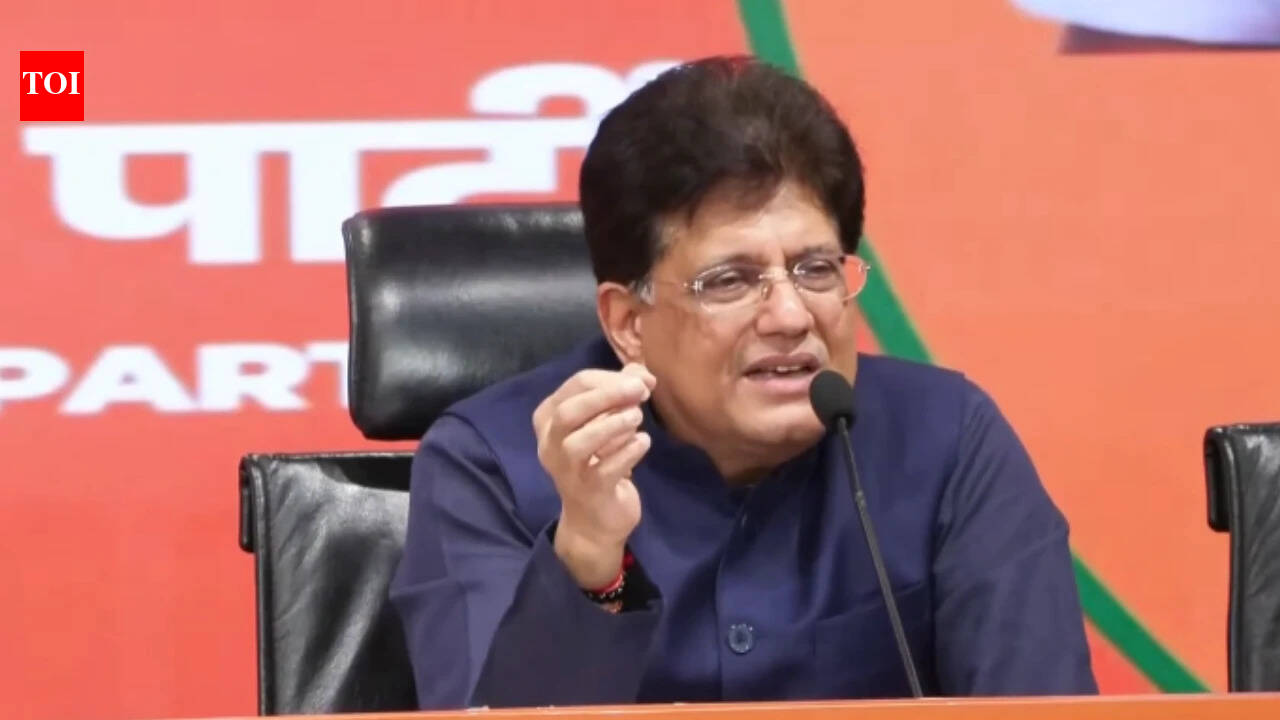
Leader of Opposition Rahul Gandhi has launched a concerted campaign demanding the resignation of Chief Election Commissioner Gyanesh Kumar. Gandhi alleges systemic voter fraud and claims the capital is being militarized to suppress opposition protests.
The Growing Confrontation Over Election Integrity
Leader of Opposition Rahul Gandhi has significantly escalated his rhetoric against the Election Commission of India, specifically targeting Chief Election Commissioner (CEC) Gyanesh Kumar. In recent press conferences, Gandhi has characterized the current political climate as one of systemic suppression, asserting that the capital, Delhi, has been effectively turned into a 'fortress' to prevent citizens from participating in peaceful demonstrations. This rhetoric highlights a deepening rift between the INDIA bloc and the current administration, centering on the perceived neutrality of constitutional bodies.
Allegations of Electoral Malpractice
At the heart of Gandhi’s accusations is the claim that the electoral process has been compromised through voter fraud orchestrated by high-ranking government figures. Gandhi has publicly called for CEC Gyanesh Kumar to turn 'approver,' suggesting that the Commissioner is acting under the influence of Prime Minister Narendra Modi, Home Minister Amit Shah, and National Security Advisor Ajit Doval. By framing the CEC as a subordinate actor rather than the primary architect of alleged electoral errors, Gandhi is attempting to pressure the official to break ranks and testify against the political leadership of the country.
The Strategy of Unified Protest
Rahul Gandhi has clarified that the current wave of agitations, involving students and civil society groups, is not a series of disparate events but a singular, unified movement. The explicit objective of this coalition is the resignation of Gyanesh Kumar. By framing the protest as a necessary step before targeting the Prime Minister and Home Minister directly, Gandhi is signaling a long-term strategy of sustained pressure designed to challenge the legitimacy of the current administration’s electoral victories.
The Atmosphere of Containment
Gandhi’s comments regarding the logistical hurdles faced by protesters—specifically the halting of trains and buses—point to a broader concern regarding the state’s management of public dissent. By questioning why the capital of India feels like it is 'in jail,' the Leader of Opposition is tapping into narratives regarding the contraction of democratic space. These logistical restrictions are being used by the Opposition to bolster their argument that the government is fearful of public scrutiny regarding its administrative and electoral conduct.
Institutional Implications and Future Trends
This confrontation suggests a volatile period ahead for India’s democratic institutions. The demand for the resignation of a Chief Election Commissioner is a rare and severe development in Indian parliamentary politics, indicating that the Opposition views the current electoral mechanisms as fundamentally broken. Moving forward, the effectiveness of this campaign will depend on the Opposition's ability to maintain a unified front and whether these claims of voter fraud gain traction among the broader electorate. The government’s response, characterized by tight security and a rejection of these claims, suggests a continued path of institutional deadlock.
Multiple Citing Sources