Most Americans think Trump is profiting from presidency unethically or illegally
Source Entity
YASHASVI VASISTHA
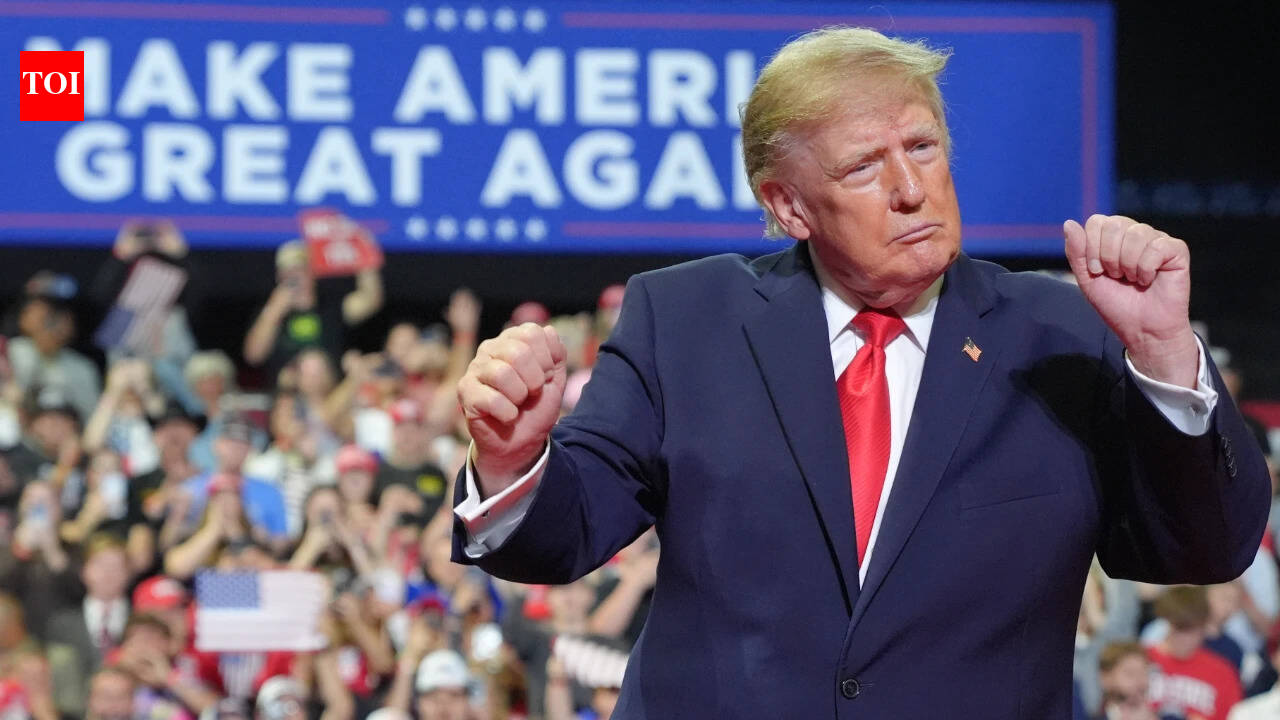
A recent survey indicates that 60% of Americans believe Donald Trump is prioritizing personal financial gain over public service. Concerns focus on his recent cryptocurrency investments and potential ethical conflicts during his presidency.
Public Perception and Ethical Concerns Under the Trump Administration
Recent polling data reveals a significant divide in American public opinion regarding the financial conduct of President Donald Trump. Approximately 60% of respondents expressed the belief that the President is either illegally or unethically profiting from his position. This perception suggests a deep-seated concern among a majority of the electorate that the executive branch may be leveraged for personal enrichment rather than the collective benefit of the citizenry.
The Role of Cryptocurrency in Financial Scrutiny
Central to these mounting ethical concerns are recent financial disclosures indicating that President Trump has secured significant investments in cryptocurrency ventures since his return to office. In an era where digital assets are increasingly integrated into the global financial system, the intersection of presidential policy-making and personal portfolio growth raises critical questions regarding transparency. When a sitting leader engages in speculative or emerging markets, it creates a potential for perceived conflicts of interest that can erode public trust in regulatory and legislative processes.
Political Polarization and Institutional Trust
The survey highlights a stark partisan divide, with concerns regarding the President’s financial conduct being most pronounced among Democratic voters. This polarization reflects broader historical trends in American politics, where the scrutiny of executive ethics is often filtered through a partisan lens. The allegation that the President prioritizes personal financial interests over the welfare of regular citizens has become a central talking point, further complicating the administration's ability to maintain a unified national narrative on economic policy.
The Historical Context of Executive Ethics
Throughout American history, the financial activities of presidents have been subject to intense public and media scrutiny. From the oversight of the Emoluments Clause to modern-day financial disclosures, the mandate for transparency is designed to prevent the appearance of corruption. The current discourse surrounding President Trump’s financial dealings sits within this long tradition of holding the highest office to a standard of conduct that transcends mere legality, touching upon the fundamental expectations of public service and self-interest.
Broader Implications and Future Trends
Looking forward, the persistence of these perceptions may influence future legislative efforts aimed at strengthening financial disclosure requirements for high-ranking officials. If a majority of the population continues to view the executive office as a vessel for personal profit, it could necessitate stricter oversight mechanisms, potentially altering how presidents manage their assets while in office. The ongoing debate serves as a barometer for the health of institutional trust and will likely remain a focal point of political discourse as the administration navigates the complexities of the cryptocurrency market and its intersection with governance.