Madras High Court omits names of TVK leaders Vijay, ‘Bussy’ Anand from writ petition on appointment of law officers
Source Entity
India Latest News: Top National Headlines Today & Breaking News | The Hindu
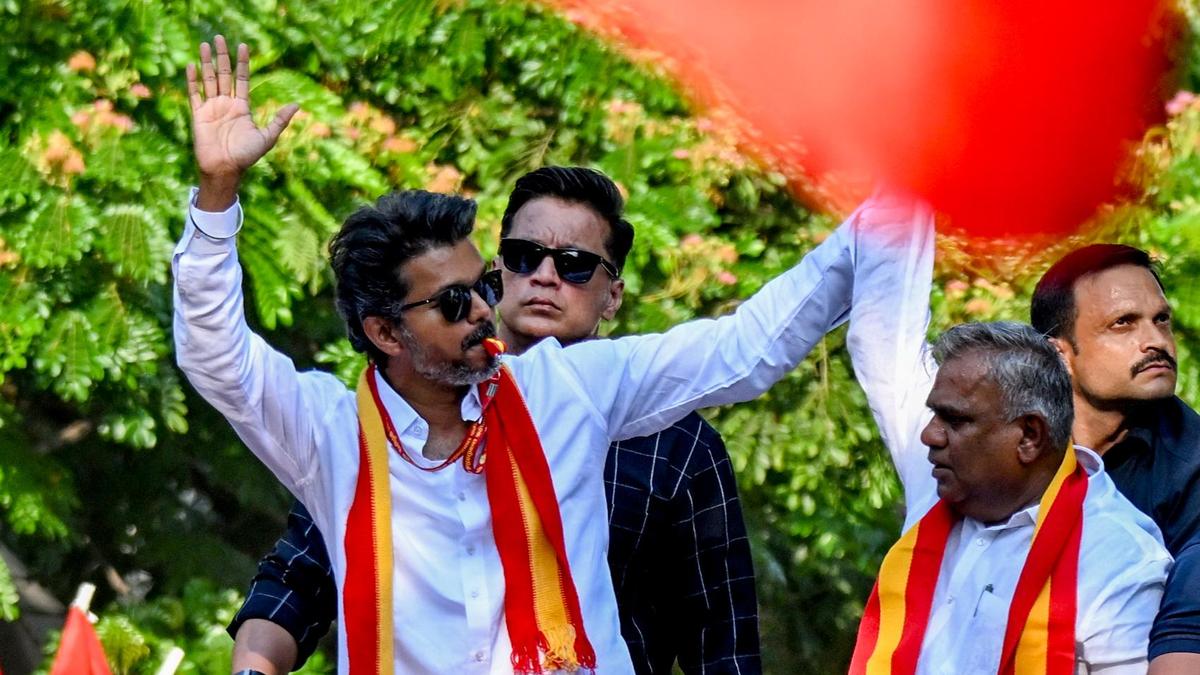
The Madras High Court recently addressed two separate legal matters involving the Tamilaga Vettri Kazhagam (TVK) party. The court refused to quash an FIR against commentator V. Ponraj for derogatory remarks and ordered the removal of top TVK leaders' names from a writ petition regarding law officer appointments.
Legal Scrutiny and Political Accountability in Tamil Nadu
Recent developments at the Madras High Court have highlighted the intersection of political discourse, governance, and the judiciary in Tamil Nadu. On July 17, 2026, the court issued two significant rulings involving the ruling Tamilaga Vettri Kazhagam (TVK) party, underscoring the ongoing legal challenges faced by political figures and the judiciary's role in maintaining decorum within public and legal spheres.
The FIR Against V. Ponraj
The first matter involves a petition filed by political commentator V. Ponraj to quash an FIR registered against him. The case stems from remarks he made during a YouTube interview, which were deemed derogatory toward women followers of the TVK. Justice G.K. Ilanthiraiyan dismissed the petition, allowing the investigation to proceed. The complaint, originally filed by R. Nirmalkumar—the current Minister for Energy Resources and Law—during an election campaign on March 26, suggests that the judiciary remains committed to scrutinizing speech that crosses the threshold of acceptable political criticism into potentially actionable harassment.
Judicial Restraint and Media Sensationalism
A separate, yet equally revealing, case before Justice Mohammed Shaffiq involved a writ petition regarding the appointment of law officers. The petitioner, M. Gnanasoundari, had initially included high-ranking TVK officials, including Chief Minister C. Joseph Vijay and Minister N. Anand, in her petition. The court observed that these names were likely included to "hit the headlines," leading to an order to omit these private respondents from the proceedings. This decision reflects the judiciary's pushback against the use of judicial filings as a tool for political posturing or media sensationalism.
Challenges in Administrative Appointments
Beyond the political implications, the court addressed the broader administrative context regarding the appointment of law officers in district courts. The Advocate-General noted that the government faced a backlog of applications, necessitating temporary appointments for a six-month period to ensure the state remained represented in court. While the petitioner sought to challenge the process, the court cautioned against using minor "aberrations" at lower levels to cast doubt on the integrity of the entire selection process, emphasizing the need for procedural focus.
Broader Implications and Future Trends
These rulings signify a period of heightened legal oversight in Tamil Nadu. The refusal to quash the FIR against Ponraj suggests that public commentators will be held to strict standards regarding their remarks, particularly concerning gender-based disparagement. Simultaneously, the court’s decision to remove political leadership from administrative litigation indicates a move toward curbing the politicization of routine legal petitions. As the TVK navigates its tenure as the ruling party, these judicial interventions serve as a check on both the discourse surrounding the party and the administrative actions of its governance structure.
Conclusion
Ultimately, the Madras High Court’s actions on July 17, 2026, reinforce the separation between political reputation and legal process. By allowing the investigation into the derogatory remarks to continue and limiting the scope of litigation against state leadership, the court is reinforcing the necessity for evidence-based legal arguments over political theater. These cases will likely set a precedent for how future political disputes and administrative grievances are handled within the state's legal framework.
Multiple Citing Sources
Verification Required?