Madras High Court refuses to quash FIR booked against political commentator Ponraj
Source Entity
India Latest News: Top National Headlines Today & Breaking News | The Hindu
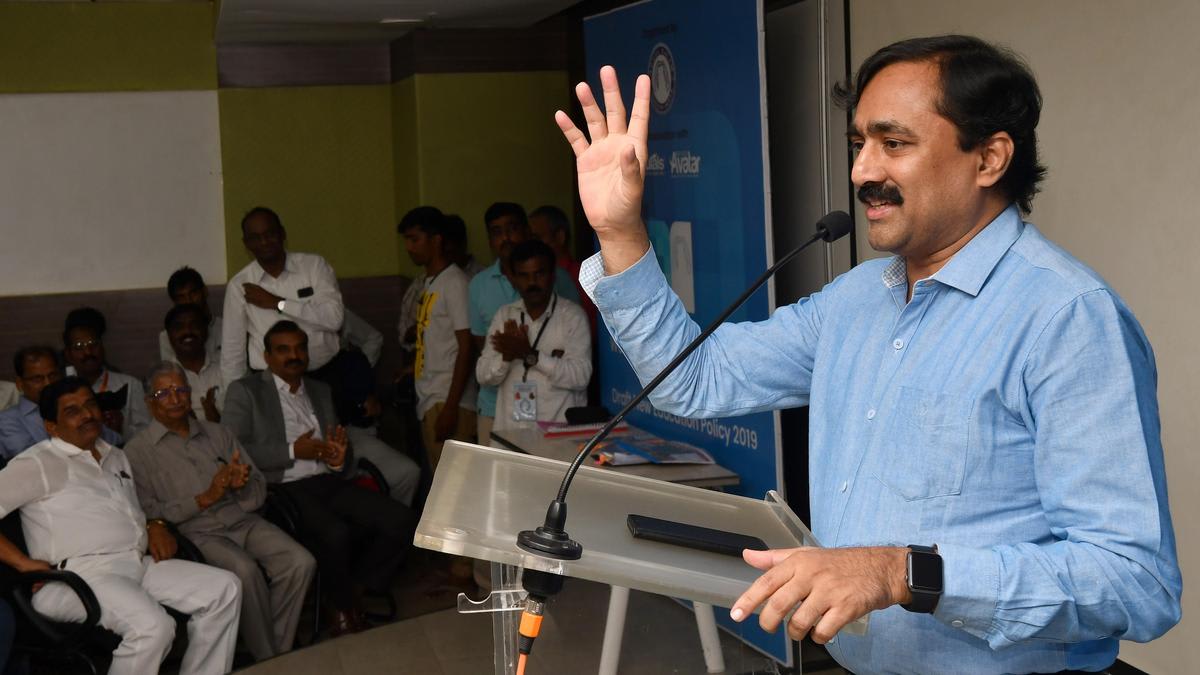
The Madras High Court recently addressed two significant legal matters involving the ruling Tamilaga Vettri Kazhagam (TVK) party. The court refused to quash an FIR against commentator V. Ponraj for derogatory remarks and ordered the removal of top TVK leaders from a separate writ petition regarding law officer appointments.
Judicial Oversight and Political Scrutiny in Tamil Nadu
The Madras High Court has recently become the focal point for legal challenges involving the ruling Tamilaga Vettri Kazhagam (TVK) party. In a significant development on July 17, 2026, the court addressed two separate legal matters that highlight the intersection of political discourse, governance, and judicial intervention.
The Case of V. Ponraj and Freedom of Speech
Justice G.K. Ilanthiraiyan dismissed a petition filed by political commentator V. Ponraj, who sought to quash an FIR registered against him. The FIR stems from derogatory remarks Ponraj allegedly made against women followers of the TVK party during a YouTube interview. The complaint, initiated by R. Nirmalkumar—the current Minister for Energy Resources and Law—dates back to the election campaign period in March 2026. By refusing to quash the FIR, the court has signaled that inflammatory rhetoric, even when framed as political commentary, remains subject to criminal investigation.
Procedural Integrity and Private Respondents
In a parallel proceeding, Justice Mohammed Shaffiq oversaw a writ petition filed by lawyer M. Gnanasoundari, who challenged the appointment process for law officers in district courts. The petition initially named high-profile TVK figures, including Chief Minister C. Joseph Vijay and Minister N. Anand, as private respondents. The court ordered their names omitted, with the judge noting that their inclusion appeared to be a tactical move to generate publicity rather than a substantive legal necessity.
The Scope of Judicial Review
During the hearing on law officer appointments, the court addressed the state's rationale for temporary appointments, which were necessitated by a backlog of applications and the expiration of previous tenures on June 30. Justice Shaffiq emphasized that minor administrative "aberrations" do not inherently taint an entire selection process. This ruling reinforces the judiciary's role in maintaining the scope of writ petitions, preventing petitioners from using the court as a platform for political grandstanding against state leaders.
Broader Implications for State Governance
The government’s defense of its appointment process, articulated by the Advocate General, highlights the logistical challenges of managing legal representation across the state. By maintaining temporary appointments for up to six months, the administration aims to prevent a vacuum in court representation. The court's decision to retain only the Law Secretary and the Villupuram Collector as respondents indicates a preference for focusing on the administrative process rather than the political personalities involved.
Conclusion
These two rulings reflect the Madras High Court’s commitment to procedural rigor. Whether dealing with the limits of political speech in the case of V. Ponraj or ensuring that writ petitions remain focused on administrative accountability rather than publicity, the judiciary continues to act as a vital check on both political actors and bureaucratic processes. As the TVK administration continues its term, these legal precedents will likely shape how political criticism and government appointments are handled in the state's legal framework.
Verification Required?