Eyeing 2029, Maharashtra Congress to log leaders’ work. It could decide who gets posts
Source Entity
Alok Deshpande
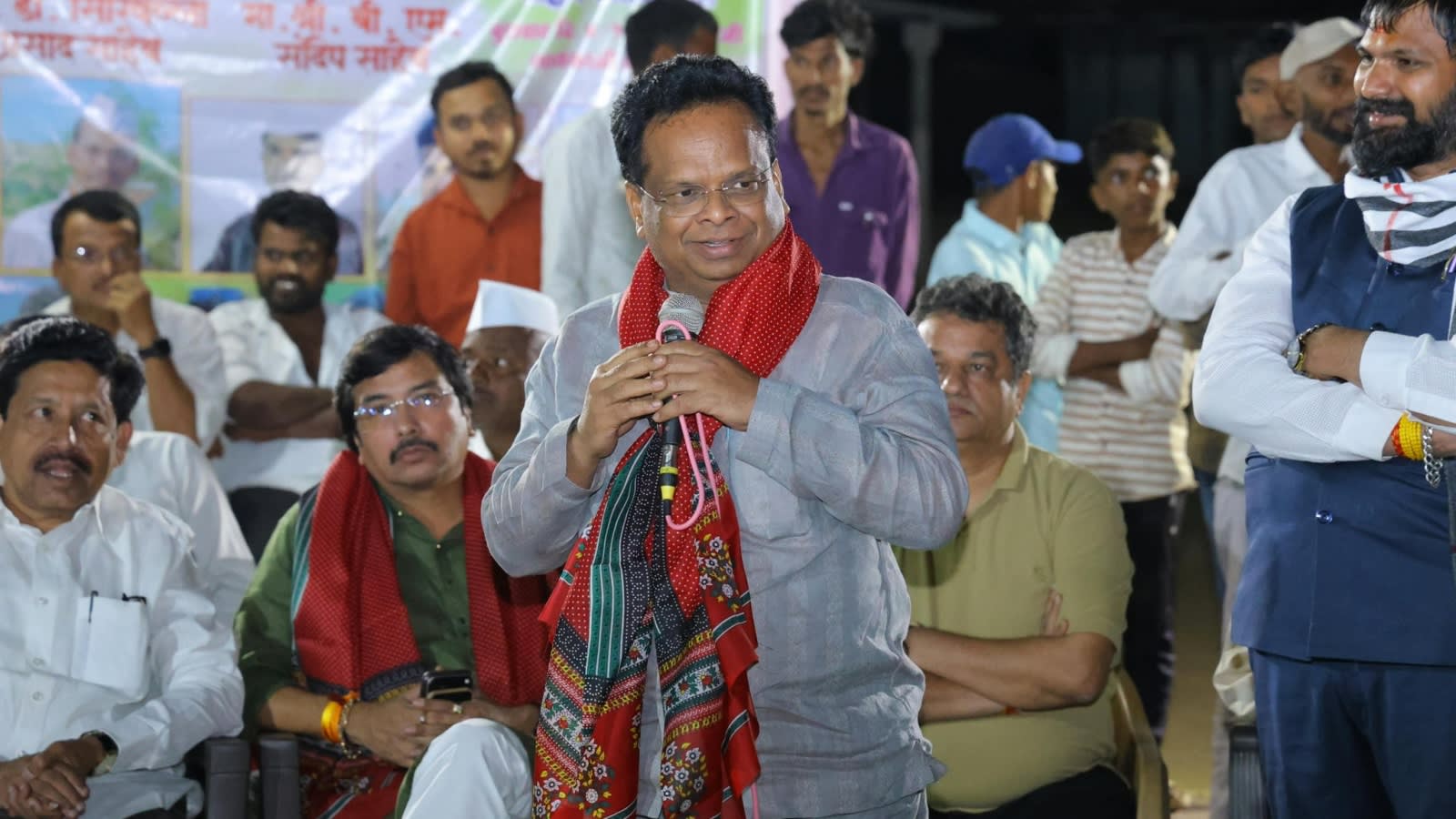
The Maharashtra Congress is launching a 'connect centre' to bridge the gap between grassroots workers and state leadership. This initiative aims to streamline organizational performance and candidate selection ahead of the 2029 Lok Sabha elections.
Strengthening the Grassroots: Maharashtra Congress’s 2029 Strategy
In a strategic move to revitalize its electoral prospects, the Maharashtra Congress has unveiled an ambitious plan to establish a centralized 'connect centre' designed to oversee all 48 parliamentary constituencies across the state. This initiative marks a significant shift in the party's operational philosophy, moving away from traditional hierarchical structures toward a more data-driven and responsive communication model. By creating a direct pipeline between booth-level workers and state leadership, the party aims to eliminate the informational bottlenecks that have historically hindered its organizational agility.
Operational Architecture and Oversight
The logistical framework for this initiative involves the creation of at least 16 specialized desks, with each desk tasked to oversee three parliamentary constituencies or 18 Assembly segments. This granular approach ensures that the state leadership is not merely receiving periodic reports but is actively monitoring grassroots activities in real-time. By tracking the performance of local cadres, the party intends to foster a culture of accountability where organizational output directly influences future leadership roles and candidacy prospects.
Bridging the Communication Gap
The core objective of the connect centre is the establishment of a two-way communication channel. For too long, political organizations have struggled with a top-down approach that often ignores the pulse of the electorate at the booth level. By institutionalizing feedback mechanisms, the Maharashtra Congress hopes to transform itself from a static entity into a dynamic, communicatively vibrant force. This change is essential for the party to identify local grievances early and adjust its statewide narrative to better resonate with voters.
The Road to 2029: Long-term Planning
Looking toward the 2029 Lok Sabha elections, this project serves as a long-term electoral diagnostic tool. Rather than reacting to political cycles, the party is attempting to build a robust database of organizational performance. The data harvested through these 16 desks will likely serve as the primary metric for internal reviews, effectively professionalizing the party's candidate selection process. This shift suggests that future ticket distribution will be heavily weighted toward those who can demonstrate measurable engagement and sustained work at the constituency level.
Broader Political Implications
This initiative reflects a broader trend in Indian politics where parties are increasingly leveraging technology and centralized monitoring to optimize their ground game. In a highly competitive political landscape like Maharashtra, where alliances and voter loyalties shift rapidly, having a responsive and well-oiled machine is paramount. If successful, the Maharashtra Congress’s model could serve as a blueprint for other state units, signaling a departure from legacy organizational habits toward a more disciplined and systematic approach to political mobilization.
Conclusion
The decision to prioritize organizational performance metrics is a calculated risk aimed at reclaiming the party's influence. By centering its strategy on the booth-level worker, the Maharashtra Congress is betting that consistent, ground-level engagement will yield the dividends necessary to compete effectively in 2029. As the system goes live, the efficacy of this centralized monitoring will likely become the definitive test of the party's ability to modernize its internal culture and regain its footing in state and national politics.