Even Before Diwali, Delhi-NCR Had Worse Pollution Levels Than Last Year: Study
Source Entity
NDTV News Search Records Found 1000
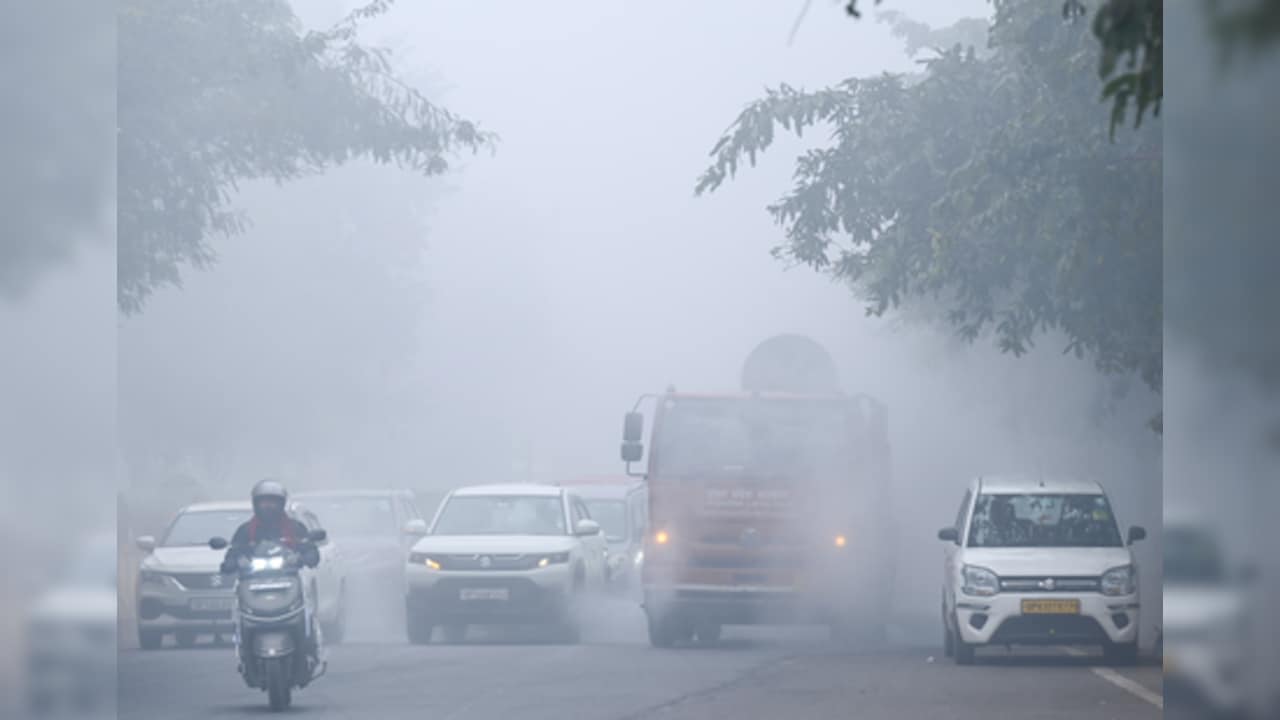
Post-Diwali air quality in Maharashtra shows inland cities like Pimpri Chinchwad suffering worse pollution than Mumbai. Meanwhile, the CPCB has capped AQI readings at 1,000 μg/m³, sparking debate over monitoring methodology.
Post-Diwali Air Quality: A Tale of Two Regions
The aftermath of Diwali has once again brought the critical issue of air pollution in Maharashtra to the forefront. While Mumbai’s air quality fluctuations often dominate headlines, recent data reveals a more complex reality: inland cities in Maharashtra experienced significantly higher levels of atmospheric degradation compared to the coastal metropolis. On November 9, as many as 13 cities across the state recorded air quality levels falling into the ‘poor’ or ‘very poor’ categories, highlighting a regional crisis that extends far beyond the financial capital.
The Inland Pollution Surge
Data from the Central Pollution Control Board (CPCB) highlights a concerning trend in inland urban centers. Pimpri Chinchwad emerged as a major hotspot, with its Air Quality Index (AQI) soaring past the 300 mark—a threshold indicative of ‘very poor’ conditions. Simultaneously, Pune saw its pollution levels climb to 2.5 times the figures recorded during the same period last year. The shift is statistically stark: of the ten worst-hit cities this year, only Nanded had reached the ‘poor’ category during the post-Diwali period last year, whereas all ten experienced such high levels this time around.
Mumbai’s Coastal Advantage
In contrast, Mumbai managed to maintain a relatively stable ‘moderate’ status with an AQI of 172. While the city did see a sharp increase in pollution—rising from 131 at 1 p.m. to 278 by 10 p.m. on Diwali—it fared better than its inland counterparts. Experts like Professor Gufran Baig of the National Institute of Advanced Studies (NIAS) attribute this to meteorological factors. Increased wind speeds from the sea and shifts in wind direction over a 48-hour window acted as a natural ventilation process, helping to disperse pollutants that would otherwise have lingered following the combustion of firecrackers.
Methodological Controversies and Data Transparency
Beyond the regional disparities, the CPCB’s recent policy shift regarding air quality monitoring has sparked significant debate. The board announced that readings from continuous ambient air quality monitoring stations (CAAQMS) exceeding 1,000 micrograms per cubic metre (μg/m³) will now be capped and excluded from the National Air Quality Index (NAQI) calculations. The CPCB justifies this by stating the index is designed to measure “prolonged exposure” rather than “momentary spikes.” However, this decision follows reports that a large portion of Delhi’s monitoring stations went offline during the peak pollution hours of Diwali, raising questions about data transparency.
Future Trends and Regulatory Oversight
This capping of data suggests that the CPCB is moving toward a methodology that prioritizes long-term air quality trends over the volatile, high-intensity spikes often seen during festivals or localized firecracker events. As the board continues to review its methodology in alignment with international practices and technological advancements, the challenge remains to balance the need for accurate, real-time public health warnings with the desire to present a normalized view of urban air quality.
Conclusion
The data clearly indicates that while coastal cities benefit from favorable meteorological conditions, inland Maharashtra is facing a growing struggle with persistent air pollution. As the state moves forward, the combination of stricter monitoring, better data management by the CPCB, and targeted interventions in high-pollution inland hubs will be essential to mitigating the health risks associated with seasonal spikes in air pollutants.
Multiple Citing Sources
Verification Required?