Firecrackers accounted for 71% of Delhi’s PM2.5 on Diwali night
Source Entity
Sophiya Mathew
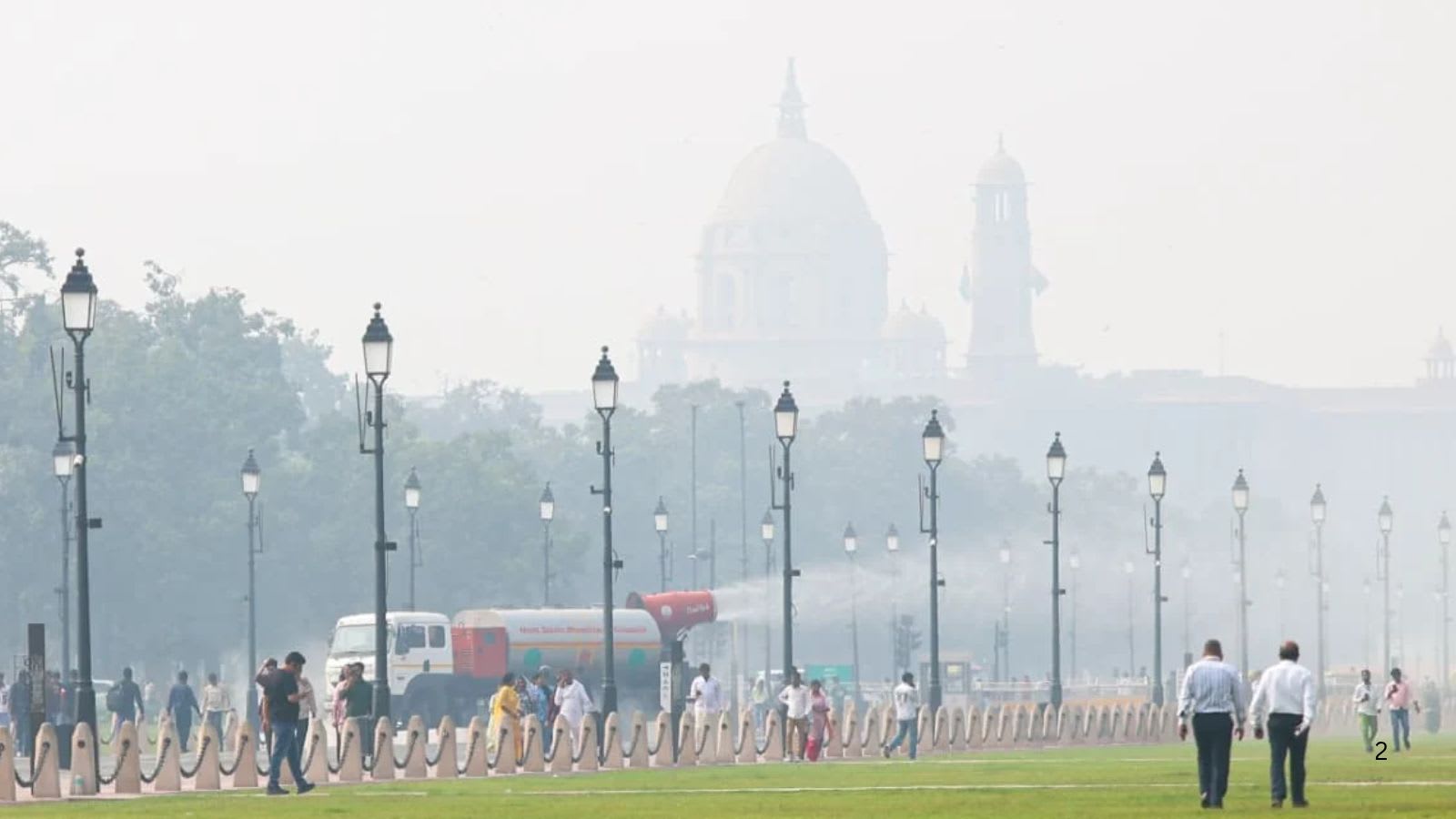
Post-Diwali air quality in Maharashtra shows inland cities like Pimpri Chinchwad suffering significantly worse pollution than Mumbai. Meanwhile, the CPCB has capped AQI inputs at 1,000 μg/m³, sparking debate over monitoring methodology and transparency.
The Post-Diwali Air Quality Crisis in Maharashtra
Following the recent Diwali celebrations, a stark disparity in air quality has emerged across Maharashtra. While Mumbai’s air quality fluctuations have dominated headlines, data from the Central Pollution Control Board (CPCB) reveals that inland cities bore a significantly heavier burden of pollution. Pimpri Chinchwad, in particular, recorded an Air Quality Index (AQI) exceeding 300, placing it firmly in the 'very poor' category. This trend was mirrored across the state, with 13 cities reporting 'poor' or 'very poor' air quality on November 9, a significant escalation compared to the previous year.
Comparing Regional Impact: Mumbai vs. The Hinterland
In contrast to the deteriorating conditions inland, Mumbai managed to maintain a 'moderate' status with an AQI of 172. While the city did see a sharp increase in pollution during the festival—rising from 131 in the afternoon to 278 by 10 p.m.—meteorological factors provided a buffer. According to Professor Gufran Baig of the National Institute of Advanced Studies (NIAS), increased wind speeds from the sea and a shift in wind direction over a 48-hour period helped disperse pollutants, preventing the city from reaching the hazardous levels seen in inland urban centers.
The Shift in Pollution Severity
Historical data underscores the worsening situation. Last year, only Nanded among the current top 10 worst-hit cities fell into the 'poor' category post-Diwali. This year, all ten cities on that list reached that threshold, suggesting a systemic decline in air quality across Maharashtra’s inland regions. This shift highlights a growing public health challenge as urban density and anthropogenic activities continue to clash with seasonal atmospheric conditions.
CPCB Methodology and the 'Cap' Controversy
Compounding the complexity of these reports is a recent administrative decision by the CPCB. The board has confirmed that it now caps the upper limit of readings from continuous ambient air quality monitoring stations at 1,000 μg/m³. Readings exceeding this threshold are excluded from the National Air Quality Index (NAQI) calculation. The CPCB justifies this by stating the index is intended to reflect 'prolonged exposure' rather than 'momentary readings.' However, this decision has drawn scrutiny, especially following reports that numerous monitoring stations in the capital went offline during peak Diwali hours.
Transparency and Technological Evolution
This cap on data inputs raises critical questions regarding transparency in environmental reporting. While the CPCB maintains that its methodology is under review to align with international practices and technological advancements, the exclusion of extreme data points may mask the true severity of localized pollution spikes. As the board evolves its monitoring framework, the balance between reporting 'momentary' versus 'prolonged' exposure remains a point of contention for environmental scientists and public health advocates.
Future Trends and Outlook
Moving forward, the reliance on meteorological dispersion—as seen in Mumbai—cannot be a long-term solution for air quality management. The data highlights an urgent need for targeted pollution control measures in inland Maharashtra cities that lack the coastal advantage of wind ventilation. As monitoring technology advances, the CPCB’s challenge will be to integrate higher-fidelity data without compromising the integrity of the National Air Quality Index, ensuring that the public receives an accurate representation of the air they breathe.
Multiple Citing Sources